
 Ekani Ella
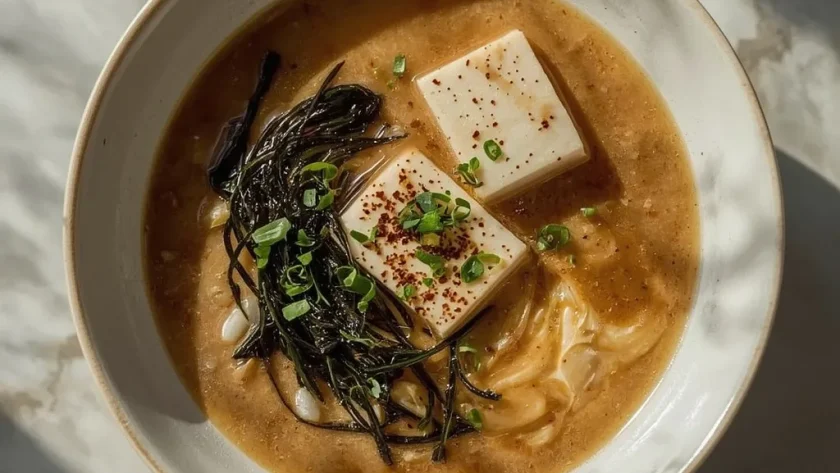
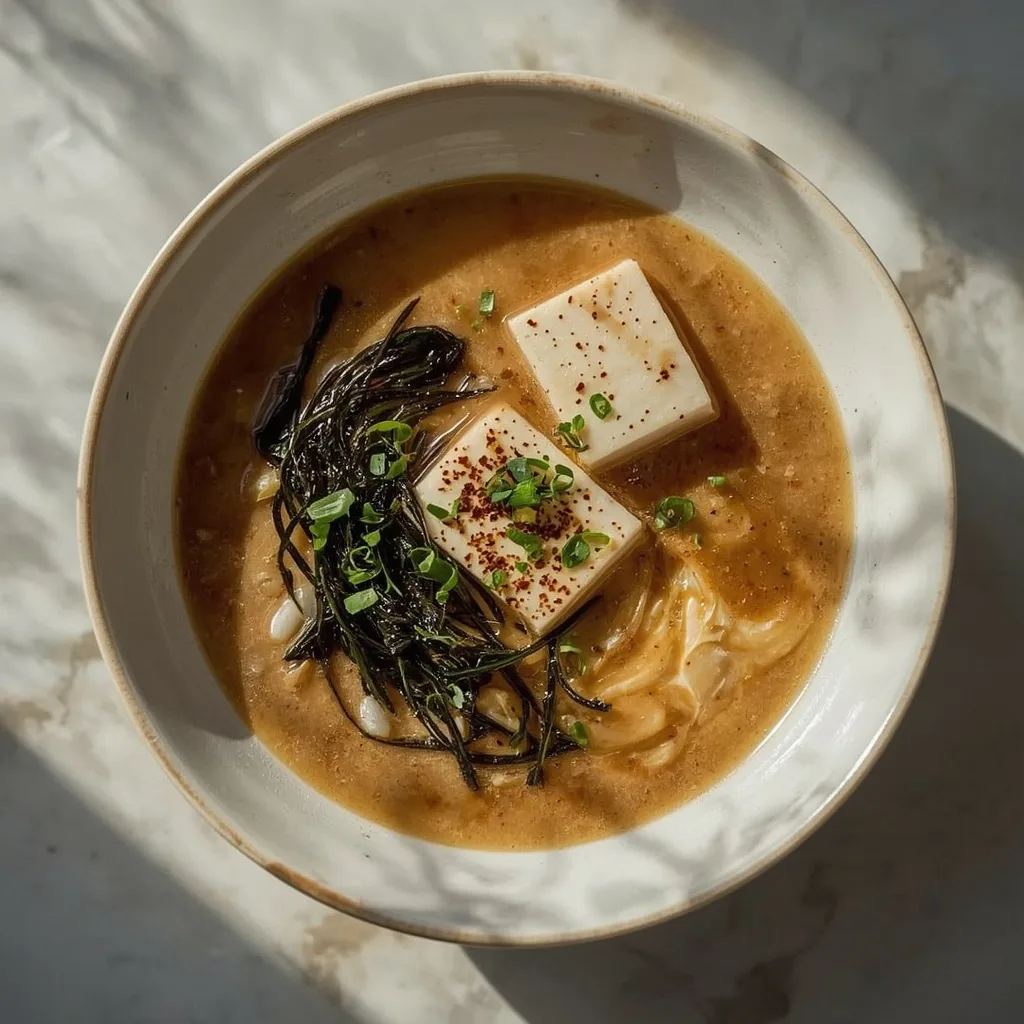
 This Gordon Ramsay Miso Soup delivers deep, umami-rich flavor from a properly made dashi broth. It balances the sweetness of white miso with the briny depth of kombu and bonito flakes for a comforting yet elegant starter.
The whole process takes about 25 minutes and is beginner-friendly once you know the key timing. The only tricky part is watching the kombu closely so it does not boil and turn bitter.
What Is Gordon Ramsay Miso Soup?
It is a traditional Japanese miso soup made with a from-scratch dashi broth. The dashi uses kombu seaweed and bonito flakes, then gets finished with silken tofu, wakame, and white miso paste.
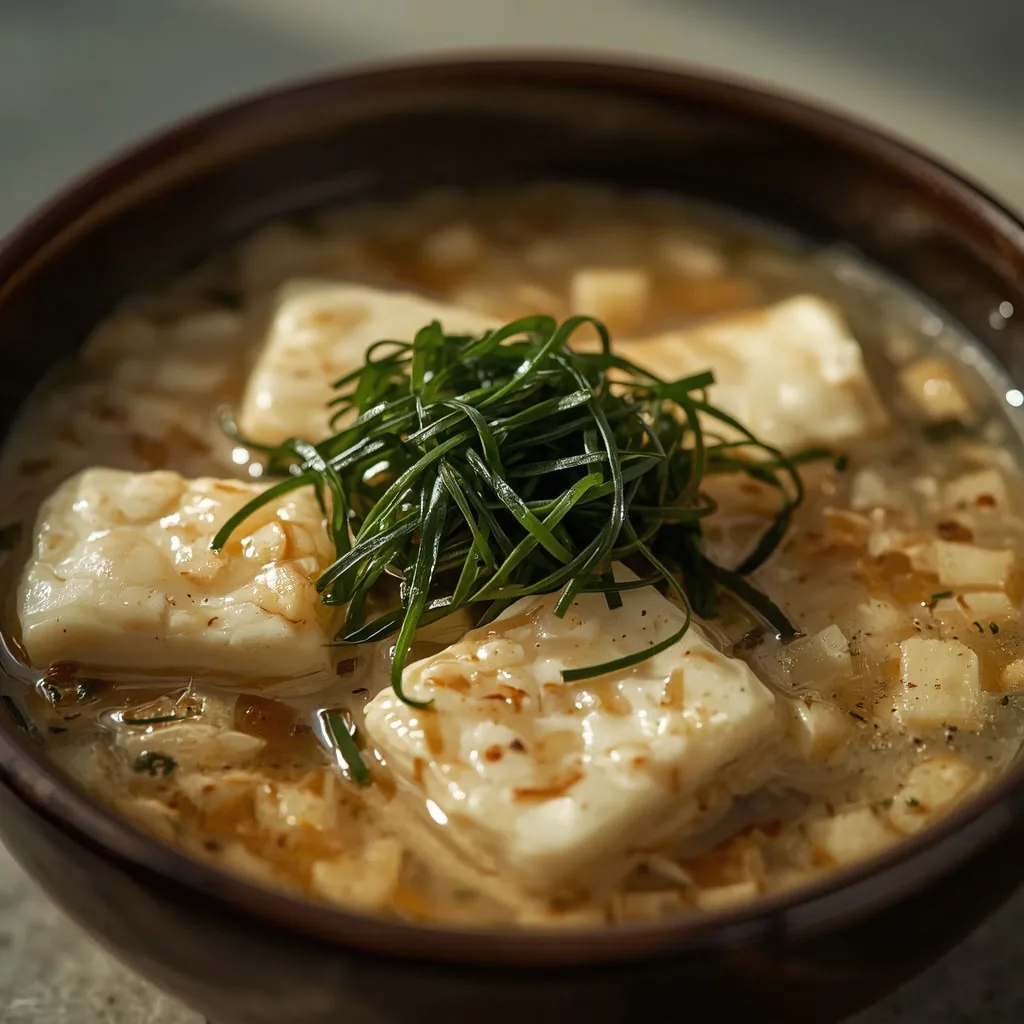
The result is a light, clear broth with a silky texture from the tofu and a gentle chew from the rehydrated seaweed. You would serve this as a starter before a Japanese meal or as a light lunch on its own.
Gather These Fresh Ingredients for Gordon Ramsay Miso Soup
You only need eight ingredients for this recipe — most are shelf-stable staples worth keeping in the pantry.
The Broth Base
- 4 cups cold water — Use filtered water if possible. Tap water with strong chlorine can affect the delicate flavor of the dashi.
- 1 sheet dried kombu seaweed (5×5 inches) — This provides the glutamates that give the broth its savory, meaty depth. Rinse it briefly before soaking to remove any white residue.
- 1/2 cup packed bonito flakes (katsuobushi) — These paper-thin dried fish shavings add smoky, briny layers. Pack them loosely into the measuring cup for the right amount.
The Fillings
- 7 ounces silken tofu, cut into 1/2-inch cubes — Silken tofu stays tender and smooth. Do not swap with firm or extra-firm tofu — the texture will be too dense.
- 1 tablespoon dried wakame seaweed — This rehydrates quickly and expands dramatically. A little goes a long way.
The Seasoning and Finish
- 3 tablespoons white miso paste (shiro miso) — White miso is milder and sweeter than darker misos. Do not boil it — that kills the beneficial probiotics and dulls the flavor.
- 1 green onion, thinly sliced on the diagonal — A fresh, crisp garnish that cuts through the richness.
- 1/2 teaspoon fine sea salt (to taste) — You may not need all of it. The bonito and wakame contribute natural sodium, so taste first.
Detailed Step-by-Step Instructions to Make Gordon Ramsay Miso Soup
The process follows a few precise steps — here is how I walk through it.
- Soak the kombu — In a medium saucepan, combine the cold water and the kombu sheet. Let it sit for 10 minutes at room temperature. This softens the seaweed and releases umami compounds into the water.
- Heat and remove the kombu — Place the saucepan over medium heat. Watch closely — as soon as tiny bubbles appear around the edges of the kombu (just before a full boil), remove the kombu with tongs. Boiling makes it slimy and bitter.
- Steep the bonito flakes — Bring the kombu-infused water to a gentle boil, then take it off the heat. Add the bonito flakes and push them gently into the liquid. Let them steep for 3 minutes undisturbed — they will slowly sink on their own.
- Strain the dashi — Pour the liquid through a fine-mesh sieve lined with damp cheesecloth or a coffee filter into a clean saucepan. Do not press on the solids, or you will force bitterness into the broth. You should get about 3 1/2 cups of clear, golden dashi.
- Simmer the wakame and tofu — Return the strained dashi to low heat. Add the dried wakame and tofu cubes. Simmer gently for 2 minutes — the wakame will rehydrate and expand, and the tofu will warm through without breaking.
- Make the miso slurry — Remove the saucepan from the heat. Put the white miso in a small bowl, then ladle about 1/4 cup of hot dashi into the bowl. Whisk gently until fully dissolved into a smooth paste — no clumps.
- Combine and warm — Pour the miso slurry back into the saucepan, stirring in a gentle figure-eight motion. Return the soup to very low heat for about 1 minute — but do not bring it to a boil. Boiling destroys the miso’s enzymes and flattens the flavor.
- Season and serve — Taste and add fine sea salt if needed. Ladle into warmed bowls and garnish each with a pinch of sliced green onion. Serve immediately.
Common Mistakes and How I Fixed Them
Here is what tripped me up the first few times with this recipe.
- Boiling the kombu — If the water comes to a full boil with the kombu inside, it releases slime and bitterness. Pull the kombu out as soon as bubbles form around the edges.
- Pressing the bonito flakes during straining — Squeezing the solids forces bitter, fishy compounds into the broth. Let gravity do the work — just let the liquid drain through.
- Adding miso to boiling broth — High heat kills the probiotics and makes the flavor taste flat. Always remove the pot from the heat first, then whisk the miso into a slurry before returning to low heat only.
- Using the wrong tofu — Firm or extra-firm tofu turns this soup into a heavy, chunky dish. Stick with silken tofu for that delicate, melt-in-your-mouth feel.
- Skipping the salt taste test — The bonito and wakame add enough sodium that you may not need extra salt. Add it only after tasting the finished broth.
What Pairs Perfectly with Gordon Ramsay Miso Soup
This light, savory soup works beautifully alongside a few simple sides.
- Steamed jasmine rice — The neutral, fluffy rice soaks up the broth and balances the umami richness. Serve a small bowl on the side.
- Gyoza (pan-fried dumplings) — The crispy-bottomed dumplings filled with pork or vegetables make a satisfying contrast in texture and flavor.
- Pickled vegetables (tsukemono) — A tangy, crunchy side like pickled daikon or cucumber refreshes the palate between sips.
- Edamame with sea salt — The pop of soybeans with a little salt is a natural, protein-rich accompaniment.
- Simple cucumber salad with rice vinegar — Cool, crisp cucumbers dressed with rice vinegar and a pinch of sugar cut through the broth’s savory depth.
Pro Tips for Making Gordon Ramsay Miso Soup
These small adjustments make a real difference in the final bowl.
- Use the freshest bonito flakes you can find — Stale bonito loses its smoky punch. Check the package date and buy from a store with good turnover.
- Cut the tofu just before serving — Silken tofu breaks down over time in liquid. Cube it right when you are ready to add it to the broth for the best shape and texture.
- Warm your serving bowls before ladling — Cold bowls cool the soup instantly. Rinse each bowl with hot water or place them in a low oven for a few minutes.
- Let the miso paste come to room temperature — Cold miso takes longer to dissolve and can clump. Let it sit out for 10 minutes before making the slurry.
- Do not substitute the kombu with a different seaweed — Kelp varieties like kombu have the highest glutamic acid content. Other seaweeds will not produce the same depth.
- Taste the dashi before adding miso — The plain dashi should already smell savory and slightly smoky. If it tastes weak, steep the bonito for another minute or add a pinch more.
Inspiring Variations of Gordon Ramsay Miso Soup
Once you master the base, these tweaks let you customize the bowl to your mood.
- Vegan dashi — Replace the bonito flakes with 1 teaspoon of MSG-free kombu granules or a second sheet of kombu steeped for 10 minutes. The broth stays savory without fish.
- Spicy miso soup — Stir in 1 teaspoon of chili oil or gochujang along with the miso slurry. The heat cuts through the richness beautifully.
- Mushroom miso soup — Add 1/2 cup of thinly sliced shiitake mushrooms during the simmering step. They add an earthy, meaty layer that deepens the broth.
- Ginger-scented miso soup — Drop a 1-inch piece of ginger, sliced, into the kombu soak. Remove it with the kombu before adding the bonito. It adds warmth without overpowering.
- Noodle miso soup — Cook 4 ounces of soba noodles separately, then divide among the bowls before ladling the broth on top. It turns the starter into a light meal.
How to Store Gordon Ramsay Miso Soup Properly
This soup keeps well for a few days, but the texture changes over time.
- Refrigerate in an airtight container — Store it for up to 3 days. The tofu softens further and the wakame loses some spring, but the flavor stays good.
- Keep the miso separate for longer storage — If you want to store the broth for more than 2 days, strain out the tofu and wakame, then add fresh ones when reheating.
- Do not freeze this soup — Freezing turns silken tofu spongy and makes the wakame turn mushy. The texture is never the same after thawing.
- Use a glass or ceramic container — Plastic can absorb the strong miso and bonito aromas. Glass holds no smells and cleans easily.
Smart Reheating Tips for Gordon Ramsay Miso Soup
Reheating gently is the key to keeping the flavor fresh and the miso’s enzymes intact.
- Stovetop — Pour the soup into a small saucepan and warm over low heat, stirring occasionally, until steaming (about 2-3 minutes). Do not let it boil.
- Microwave — Transfer to a microwave-safe bowl and heat in 30-second bursts at 50% power, stirring between each, until warm to the touch. High power destroys the miso’s delicate flavor.
- Double boiler — Place the soup in a heatproof bowl over a pot of simmering water. Stir gently until warmed through. This is the gentlest method and preserves the tofu’s shape best.
FAQs
Can I freeze Gordon Ramsay Miso Soup?
I do not recommend it. The silken tofu turns spongy, and the wakame becomes mushy after thawing. The flavor also dulls noticeably.
How long does Gordon Ramsay Miso Soup last in the fridge?
It stays good for up to 3 days in an airtight container. The flavor is best within the first 24 hours, but it still tastes fine on day two or three.
What is the best miso paste to use for Gordon Ramsay Miso Soup?
White miso (shiro miso) works best here. It is mild, slightly sweet, and blends smoothly into the broth. Red miso is too salty and overpowering for this delicate soup.
Can I make Gordon Ramsay Miso Soup without bonito flakes?
Yes, for a vegan version. Replace the bonito flakes with 1 teaspoon of MSG-free kombu granules or a second sheet of kombu steeped for 10 minutes. The broth will be less smoky but still deeply savory.
Why does my miso soup taste bitter?
You likely boiled the kombu or pressed the bonito flakes when straining. Both actions release bitter compounds into the broth. Remove the kombu before boiling and do not squeeze the solids during straining.
Can I add other vegetables to Gordon Ramsay Miso Soup?
Absolutely. Thinly sliced shiitake mushrooms, bok choy, or spinach work well. Add them during the simmering step so they soften without overcooking.
Nutritional Value
Based on 1 serving out of 4 total.
- Calories: 68
- Protein: 5g
- Fat: 1.5g
- Carbohydrates: 6g
- Fiber: 1g
- Sugar: 3g
- Sodium: about 680mg
Wrapping Up
This Gordon Ramsay Miso Soup proves that a few good ingredients and careful timing create something truly special. The dashi broth is the backbone — take your time with the kombu and bonito, and the rest falls into place. I hope you give it a try and enjoy every comforting spoonful.
PrintGordon Ramsay Miso Soup
A deeply savory, umami-rich miso soup with silken tofu and tender wakame seaweed, finished with a delicate dashi broth. The balance of white miso’s sweetness against the briny depth of kombu and bonito flakes creates a comforting yet sophisticated starter.
- Prep Time: 10
- Cook Time: 15
- Total Time: 25
- Yield: 4 1x
- Category: Starter
- Method: Stovetop
- Cuisine: Japanese
Ingredients
- 4 cups cold water
- 1 sheet (about 5 x 5 inches / 12 x 12 cm) dried kombu seaweed
- 1/2 cup (packed) loosely packed bonito flakes (katsuobushi)
- 3 tablespoons white miso paste (shiro miso)
- 7 ounces (200g) silken tofu, cut into 1/2-inch cubes
- 1 tablespoon dried wakame seaweed
- 1 green onion, thinly sliced on the diagonal
- 1/2 teaspoon fine sea salt (to taste)
Instructions
- In a medium saucepan, combine the 4 cups cold water and the sheet of kombu. Let the kombu soak for 10 minutes at room temperature. This hydrates the seaweed and begins releasing its glutamate-rich umami compounds into the water.
- Place the saucepan over medium heat. Watch carefully: as soon as small bubbles appear around the edges of the kombu, just before a full boil, remove the kombu with tongs. If allowed to boil, the kombu will release sliminess and a bitter flavor. Set the kombu aside for later use or discard.
- Bring the kombu-infused water to a gentle boil, then remove from heat. Add the bonito flakes, pushing them gently into the liquid. Let steep for 3 minutes undisturbed. The bonito flakes will slowly sink, releasing smoky, fishy umami.
- Strain the dashi through a fine-mesh sieve lined with damp cheesecloth or a coffee filter into a clean saucepan. Do not press on the solids, as that forces bitterness into the broth. You should have about 3 1/2 cups of clear, golden dashi.
- Return the strained dashi to low heat. Add the dried wakame and silken tofu cubes. Simmer gently for 2 minutes — the wakame will rehydrate and expand significantly, and the tofu will warm through without breaking apart.
- Remove the saucepan from heat. Place the white miso paste in a small bowl, then ladle about 1/4 cup of hot dashi into the bowl. Whisk gently until the miso is fully dissolved into a smooth slurry. This prevents clumps and preserves the probiotics in the miso.
- Pour the miso slurry back into the saucepan, stirring in a gentle figure-eight motion. Return the soup to very low heat for about 1 minute, but do not bring to a boil — boiling destroys the beneficial enzymes and dulls the miso’s delicate flavor.
- Taste the soup and add fine sea salt if needed — the wakame and bonito contribute natural sodium, so you may not need any. Ladle into warmed bowls and garnish each with a pinch of thinly sliced green onion. Serve immediately.
Notes
Storage: Refrigerate in an airtight container for up to 3 days. Freezing is not recommended because the tofu becomes spongy and the wakame loses texture. Reheating: Warm gently over low heat, stirring occasionally, until steaming (about 140°F / 60°C). Do not let it boil. For best results, consume within 24 hours. If you prefer a vegan version, replace bonito flakes with 1 teaspoon of MSG-free kombu granules or a second sheet of kombu steeped for 10 minutes.
Nutrition
- Calories: 68
- Sugar: 3g
- Sodium: 680mg
- Unsaturated Fat: 0.3g
- Carbohydrates: 6g
- Fiber: 1g
- Protein: 5g
- Cholesterol: 0mg
Keywords: miso soup, Gordon Ramsay miso soup, Japanese soup, dashi broth, wakame seaweed, silken tofu, white miso, umami, quick soup, healthy starter, vegetarian soup