
 Ekani Ella
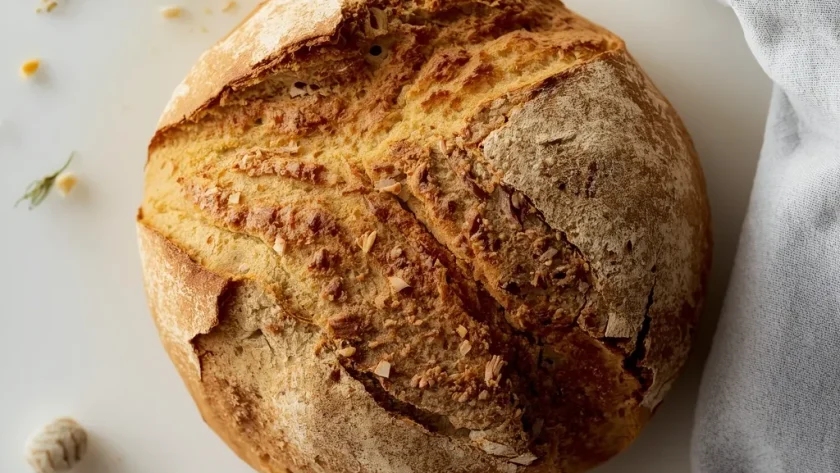
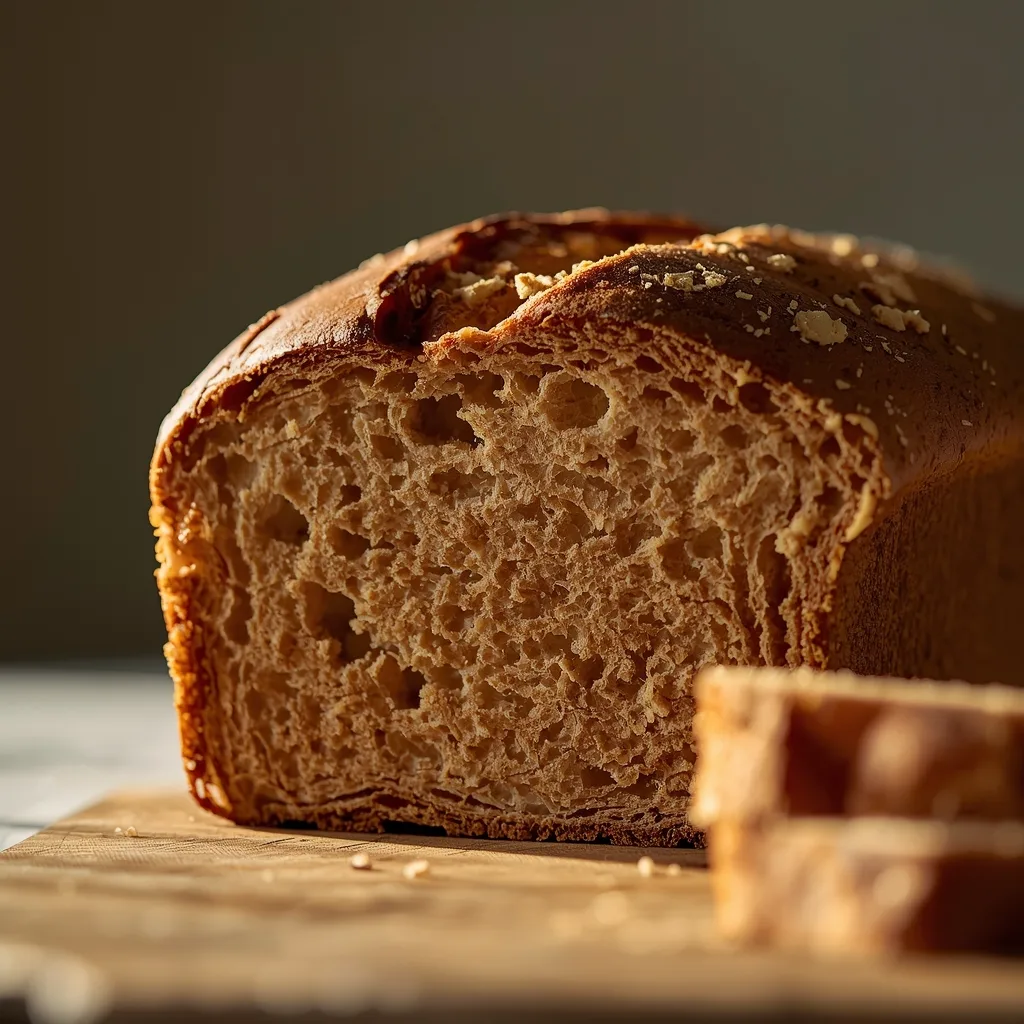
 Baking Jamie Oliver’s Wholemeal bread at home fills your kitchen with the warm, nutty aroma of wholesome ingredients. This loaf has a dense yet tender crumb and a slight sweetness from honey, making it perfect for toast or sandwiches.
The total time is about 2 hours and 20 minutes, including rising. I’d call it an intermediate recipe because working with yeast requires attention, but the steps are clear.
Don’t rush the rising or kneading—I’ll help you avoid common pitfalls for a successful bake.
What is Jamie Oliver’s Wholemeal bread?
This wholemeal bread is a staple of British baking, inspired by Jamie Oliver’s focus on simple, nutritious food. It combines wholemeal and all-purpose flour for a balanced texture.
Unlike commercial whole wheat bread, it includes olive oil and honey for moisture and flavor. The result is a hearty loaf with a nutty taste and firm crumb.
I appreciate its versatility for everything from breakfast to dinner sides. The fiber-rich content makes it a healthier choice for daily meals.
Gather These Fresh Ingredients for Jamie Oliver’s Wholemeal bread
You need just seven items for this homemade bread. Here’s how they come together.
Liquids & Yeast
- 1 1/4 cups warm water (110°F / 43°C) — This temperature activates the yeast properly. If too hot, it kills the yeast; too cold, it won’t activate.
- 1 tsp honey — Feeds the yeast and adds subtle sweetness. Maple syrup works as a substitute.
- 2 1/4 tsp active dry yeast — This leavening agent creates a rise and air pockets. Ensure it’s fresh for best results.
Flours & Salt
- 2 cups wholemeal flour (stone-ground preferred) — Stone-ground flour gives a rustic texture and more nutrients. Any whole wheat flour will do.
- 1 cup all-purpose flour — Helps the dough rise better than using only wholemeal, preventing excessive density.
- 1 tsp fine sea salt — Controls yeast activity and enhances flavor. Fine salt blends evenly.
Fats
- 2 tbsp extra virgin olive oil — Adds richness and moisture for a tender crumb. Good quality oil improves flavor.
Detailed Step-by-Step Instructions to Make Jamie Oliver Wholemeal bread
Follow these steps for a reliable loaf every time.
- Activate the Yeast — Combine warm water, honey, and yeast in a small bowl. Let sit for 5-10 minutes until frothy. No bubbles mean the yeast is dead.
- Mix Dry Ingredients — Whisk wholemeal flour, all-purpose flour, and salt in a large bowl. This aerates the flour for better mixing.
- Form the Dough — Make a well in the dry mix, pour in the yeast mixture and oil. Stir with a spoon until a shaggy dough forms.
- Knead Thoroughly — Turn onto a floured surface and knead 8-10 minutes until smooth and elastic. Proper kneading develops gluten for structure.
- First Rise — Place dough in an oiled bowl, cover with a damp cloth, and rise for 1 hour until doubled. A warm spot speeds this up.
- Shape the Loaf — Punch down dough to release air, then shape into a round or place in a greased 9×5-inch loaf pan.
- Second Rise — Cover shaped dough and rise 30-45 minutes until puffy. This relaxes gluten for better volume.
- Preheat Oven — Preheat to 400°F / 200°C. If using a baking stone, heat it now for oven spring.
- Bake to Perfection — Bake 30-35 minutes until deep golden-brown, hollow when tapped, and internal temp reaches 190°F / 88°C.
- Cool completely — Transfer to a wire rack and cool at least 1 hour before slicing. Cutting too early gives a gummy crumb.
Common Mistakes and How I Fixed Them
My early attempts at yeast breads taught me valuable lessons. Here are the fixes I now swear by.
- Water Temperature Errors — I once used boiling water and killed the yeast. Now I use a thermometer or test on my wrist.
- Inadequate Kneading Time — Under-kneading led to a dense loaf. I knead for a full 10 minutes until the dough springs back.
- Rushing the Proofing — Impatience resulted in small bread. Letting it double in size is crucial for a light texture.
- Excess Flour on Surface — Adding too much flour during kneading dried out the dough. I use just a dusting to prevent stickiness.
- Skipping the Cool Down — Slicing warm bread made it gummy. Waiting an hour allows the crumb to set properly.
What Pairs Perfectly with This Wholesome Bread
This bread’s nutty flavor and dense crumb complement a range of foods.
- Classic Butter and Jam — Spread with creamy butter and strawberry jam for a simple teatime treat.
- Hearty Soups and Stews — Serve alongside lentil soup or beef stew to soak up flavorful broths.
- Cheese Boards — Pair with cheddar or brie for a satisfying snack or appetizer.
- Avocado Toast — Toast slices and top with mashed avocado, salt, and pepper for a healthy breakfast.
- Homemade Dips — Use thick slices to scoop up hummus or tzatziki for a filling snack.
Pro Tips for the Best Results
These insights from my kitchen will elevate your bread-making.
- Choose Stone-Ground Flour — It retains more bran and germ, enhancing the nutty flavor and texture.
- Verify Yeast Freshness — Old yeast won’t froth; check the expiration date before starting.
- Knead Until Elastic — The dough should stretch without tearing, indicating well-developed gluten.
- Create a Warm Rising Environment — Place the bowl in an oven with the light on for consistent warmth.
- Score the Top Before Baking — Make a shallow cut on the loaf to control expansion and improve crust appearance.
- Use a Baking Thermometer — An instant-read thermometer ensures the bread is fully baked to 190°F internally.
Inspiring Variations to Try
Once comfortable, experiment with these easy twists on the base recipe.
- Seeded Wholemeal Loaf — Add 2 tablespoons of mixed seeds like sesame and pumpkin to the dry ingredients for crunch.
- Herb-Infused Version — Mix in 1 tablespoon of dried rosemary or thyme with the flour for a savory note.
- Sweet Cinnamon Raisin Bread — Incorporate 1 teaspoon cinnamon and 1/2 cup raisins during the mixing step.
- Dairy-Free Adaptation — Replace olive oil with melted coconut oil for a subtle tropical flavor.
- High-Fiber Boost — Substitute 1/4 cup of all-purpose flour with oat bran for extra fiber content.
How to Store Your Homemade Bread
Proper storage keeps your loaf fresh and delicious for days.
- Room Temperature Method — Store cooled bread in an airtight container for up to 3 days. This maintains crust crispness.
- Freezing for Longevity — Wrap tightly in plastic wrap and freeze for up to 3 months. Slice before freezing for convenience.
- Avoid Refrigeration — Fridge temperatures dry out bread faster, so prefer room temp or freeze.
- Use Bread Bags — Special breathable bags help regulate moisture and prevent mold growth.
Smart Reheating Methods
Revive your bread with these techniques for fresh taste and texture.
- Oven Reheating — Warm slices on a baking sheet at 350°F / 175°C for 10 minutes until crispy.
- Toaster Revival — Use a toaster for quick, crispy slices, ideal for breakfast toast.
- Steam for Softness — Wrap the loaf in foil and heat in a preheated oven with a pan of water for moist results.
FAQs
Can I use instant yeast instead of active dry yeast for Jamie Oliver’s Wholemeal bread?
Yes, use instant yeast by mixing it directly with the dry ingredients. Skip the activation step and adjust the water to lukewarm.
How long does Jamie Oliver’s Wholemeal bread last in the fridge?
I avoid refrigeration as it stales bread quickly. Store at room temperature for up to 3 days or freeze for a longer shelf life.
Can I make this bread without a loaf pan?
Absolutely. Shape it into a round loaf on a baking sheet for a rustic artisan bread look.
Why is my bread dense and not rising properly?
This could be due to old yeast, under-kneading, or insufficient rising time. Ensure each step is followed carefully.
Is wholemeal flour the same as whole wheat flour?
In British terminology, wholemeal is similar to whole wheat, both using the entire grain. Stone-ground wholemeal may have more texture.
Can I add nuts or dried fruits to the dough?
Yes, fold in up to 1/2 cup of chopped nuts or dried fruits during the shaping step for added flavor and texture.
Nutritional Value
Based on 1 serving out of 4 total from this recipe.
- Calories: 384
- Protein: 12g
- Fat: 8g
- Carbohydrates: 69g
- Fiber: about 6g
- Sugar: around 1g
- Sodium: 575mg
Wrapping Up
I hope this guide encourages you to bake your own Jamie Oliver Wholemeal bread. It’s a rewarding process that yields a nutritious, delicious loaf.
Once you taste the fresh, nutty slices, you’ll understand why homemade bread is worth the effort. Enjoy it toasted with butter or as part of a hearty meal.
PrintJamie Oliver Wholemeal Bread
This wholemeal bread is hearty and nutritious, with a dense yet tender crumb and a nutty, slightly sweet flavor from the honey. Perfect for toasting, sandwiches, or simply served with butter.
- Prep Time: 20
- Cook Time: 30
- Total Time: 140
- Yield: 4 1x
- Category: Bread
- Method: Baking
- Cuisine: British
Ingredients
- 1 1/4 cups warm water (110°F / 43°C)
- 1 tsp honey
- 2 1/4 tsp active dry yeast
- 2 cups wholemeal flour (stone-ground preferred)
- 1 cup all-purpose flour
- 1 tsp fine sea salt
- 2 tbsp extra virgin olive oil
Instructions
- In a small bowl, combine the warm water, honey, and active dry yeast. Let it sit for 5-10 minutes until the mixture becomes frothy and bubbly. This activates the yeast, ensuring it’s alive and ready to leaven the dough for proper rising.
- In a large mixing bowl, whisk together the wholemeal flour, all-purpose flour, and fine sea salt until evenly combined. Whisking aerates the flour and distributes the salt, which helps control yeast activity and improves dough structure.
- Make a well in the center of the dry ingredients and pour in the activated yeast mixture and olive oil. Use a wooden spoon to stir until a shaggy, cohesive dough forms. The oil adds moisture and richness, contributing to a tender crumb.
- Turn the dough out onto a lightly floured surface and knead for 8-10 minutes until smooth, elastic, and slightly springy to the touch. Use the heel of your hand to push the dough away, then fold it back over itself. Proper kneading develops gluten, which gives the bread its structure and chew.
- Place the kneaded dough in a lightly oiled bowl, turning to coat all sides. Cover with a damp cloth or plastic wrap and let rise in a warm, draft-free place for 1 hour or until doubled in size. This first rise allows yeast fermentation to create air pockets for a light texture.
- After rising, gently punch down the dough with your fist to release large air bubbles. Turn it out onto a floured surface and shape into a round loaf or place in a greased 9×5 inch loaf pan. Shaping ensures even baking and a consistent crust.
- Cover the shaped dough loosely with the damp cloth or plastic wrap and let it rise again for 30-45 minutes until puffy and nearly doubled. This second rise relaxes the gluten and adds volume for a better final loaf.
- While the dough is rising, preheat the oven to 400°F / 200°C. If using a baking stone or sheet, place it in the oven to heat. A properly preheated oven is essential for oven spring, which gives the bread a good rise and crust.
- Place the risen dough in the preheated oven and bake for 30-35 minutes. The bread is done when it has a deep golden-brown crust, sounds hollow when tapped on the bottom, and reaches an internal temperature of 190°F / 88°C. Use an instant-read thermometer for accuracy to avoid underbaking.
- Remove the bread from the oven and transfer it to a wire rack to cool completely for at least 1 hour before slicing. Cooling allows the steam to escape and the crumb to set, preventing a gummy texture when cut.
Notes
Store cooled bread in an airtight container at room temperature for up to 3 days. For longer storage, wrap tightly in plastic wrap and freeze for up to 3 months. To reheat, thaw if frozen, then warm in a 350°F / 175°C oven for 10 minutes or until heated through.
Nutrition
- Calories: 384
- Sugar: 1g
- Sodium: 575mg
- Saturated Fat: 1g
- Carbohydrates: 69g
- Fiber: 6g
- Protein: 12g
- Cholesterol: 0mg
Keywords: wholemeal bread, Jamie Oliver bread, whole wheat bread, homemade bread, baking bread, healthy bread, nutty bread, sandwich bread, toast bread, British bread, artisan bread, yeast bread