 Ekani Ella
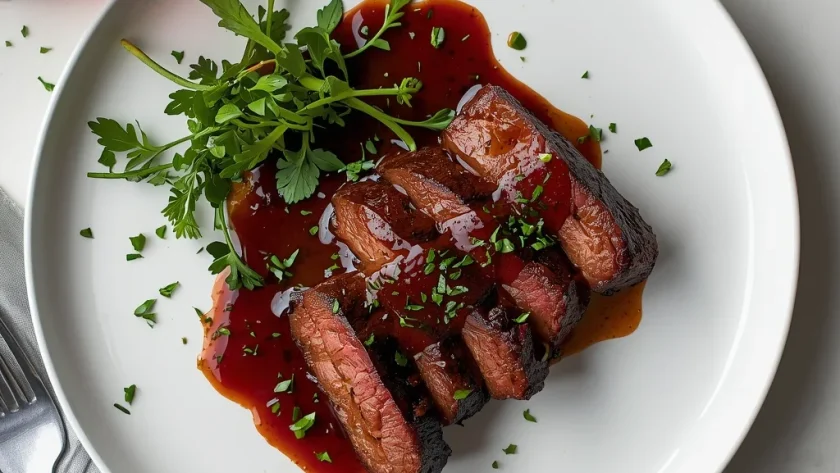
 There are few things more satisfying to cook than a perfectly seared steak, especially when it comes with the kind of herb-kissed, glossy pan sauce that feels like a restaurant treat. The Mary Berry Bavette Steak is exactly that—a tender cut, marinated simply and seared until crusty, then served with a deeply savory red wine sauce. It’s a main course that feels special enough for a weekend dinner party but is surprisingly manageable for a weeknight.
You can go from prep to plate in about 35 minutes, making it a fantastic option when you want something impressive without hours in the kitchen. I’d classify this as an intermediate recipe; the techniques are simple, but nailing the sear, managing the pan sauce, and slicing correctly all require a bit of focused attention. The reward is a juicy, flavourful steak with those beautiful beefy notes that bavette is known for.
What Is Mary Berry Bavette Steak?
At its heart, this is a celebration of a fantastic but sometimes overlooked cut of beef. Bavette, also known as flank steak, is a long, flat muscle from the animal’s lower belly. It’s packed with intense, beefy flavour but can be chewy if not treated right. That’s where Mary Berry’s approach shines.
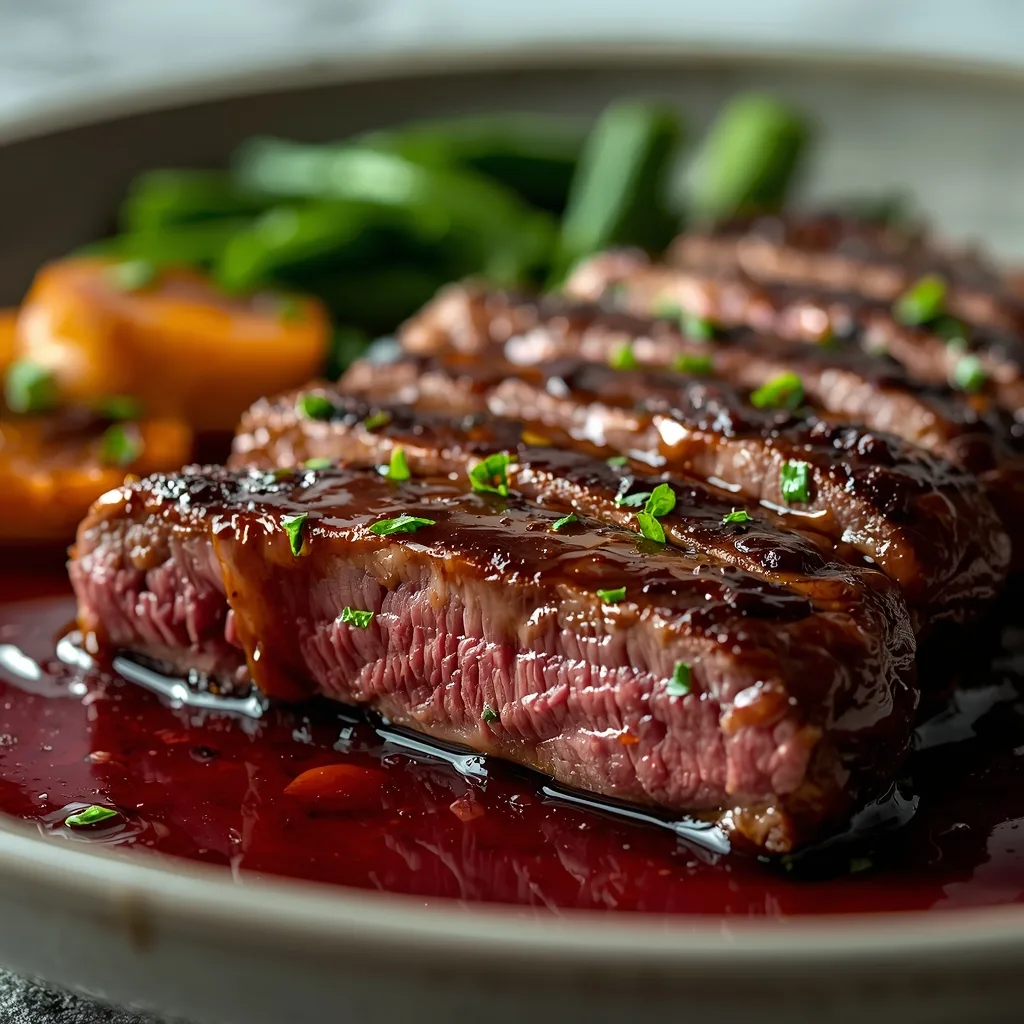
The magic lies in two things: a quick, aromatic marinade and the crucial final step of slicing against the grain. The marinade of fresh rosemary, thyme, and garlic doesn’t need hours to work its magic—just 30 minutes at room temperature infuses the meat beautifully. The resulting dish is a testament to simple, classic British cookery where technique elevates great ingredients.
Gather These Fresh Ingredients for Mary Berry Bavette Steak
You only need a dozen items, and focusing on quality for a few key players makes all the difference here.
The Star & Its Seasoning
- 1.5 lb bavette steak — This is the centrepiece. Look for a piece with good marbling and a consistent thickness for even cooking. Patting it dry thoroughly is non-negotiable for a proper sear.
- 1 tsp kosher salt & 1/2 tsp black pepper — Kosher salt adheres well and seasons deeply. Freshly cracked pepper gives a brighter, more aromatic heat than pre-ground.
Aromatics & Fresh Herbs
- 2 cloves garlic, minced — Provides the foundational savoury note in the marinade. Mince it finely so it distributes evenly without burning.
- 1 medium shallot, finely diced — Its sweet, mild onion flavour forms the base of the pan sauce, balancing the rich red wine.
- 1 tbsp fresh rosemary & 1 tbsp fresh thyme — Fresh herbs are essential here; their fragrant, piney (rosemary) and earthy (thyme) qualities are dulled significantly in dried form.
Cooking Liquids & Fats
- 2 tbsp extra virgin olive oil, divided — One tablespoon goes into the marinade, the other into the hot pan for searing. A good olive oil adds a fruity note.
- 1/2 cup dry red wine — Choose a wine you’d enjoy drinking, like a Cabernet Sauvignon or Merlot. It deglazes the pan, creating the sauce’s complex backbone.
- 1/2 cup beef broth — Adds a layer of savoury depth and body to the sauce. A good-quality, low-sodium stock is best.
- 2 tbsp unsalted butter — Whisked in at the end, it emulsifies the sauce, giving it a luxurious, glossy finish and rounding out the sharp edges.
Detailed Step-by-Step Instructions to Make Mary Berry Bavette Steak
The process breaks down into three clear phases: marinate, sear, and sauce. Here’s how I move through them without stress.
- Make the Marinade — In a small bowl, whisk together 1 tbsp of the olive oil with the minced garlic, chopped rosemary, thyme, salt, and pepper. You want a loose, emulsified paste that will cling to the meat.
- Prepare the Steak — Use paper towels to pat the bavette steak completely dry. Rub the marinade all over it, coating every surface. Let it sit at room temperature for 30 minutes. This short rest allows the flavours to penetrate and brings the meat to room temp for even cooking.
- Heat the Pan — Place a heavy cast-iron or stainless steel skillet over medium-high heat. Let it preheat for a full 3-5 minutes until it’s very hot. A few water droplets should skitter and evaporate instantly.
- Sear the First Side — Add the remaining 1 tbsp olive oil to the hot pan. Carefully lay the steak in—it should sizzle loudly. Let it cook, untouched, for 3-4 minutes to form a deep, brown crust.
- Flip and Finish — Use tongs to flip the steak. Cook the second side for another 3-4 minutes, reducing the heat to medium if the crust is getting too dark. For medium-rare, aim for an internal temperature of 130°F (54°C).
- Rest the Meat — Transfer the cooked steak to a cutting board and tent it loosely with foil. Let it rest for 8-10 minutes. This is critical for juicy results, as the fibres relax and redistribute the internal juices.
- Start the Sauce — In the same skillet over medium heat, add the diced shallot. Sauté for 2-3 minutes, stirring, until softened and fragrant.
- Deglaze with Wine — Pour in the red wine, scraping up all the delicious browned bits from the pan bottom with a wooden spoon. Let it simmer over medium-high heat until reduced by half, about 3-4 minutes.
- Add Broth and Reduce — Pour in the beef broth and bring to a simmer. Let it cook for 4-5 minutes until the sauce thickens enough to coat the back of a spoon. Taste and add a pinch more salt or pepper if needed.
- Finish with Butter — Take the pan off the heat. Whisk in the cold butter until it’s fully melted and incorporated, creating a rich, silky sauce. Keep it warm.
- Slice Against the Grain — After resting, look for the direction of the long muscle fibres on the steak. Slice thinly, about 1/4-inch thick, perpendicular to those fibres. This makes every bite tender.
- Serve Immediately — Arrange the sliced steak on a warm platter and drizzle the red wine pan sauce generously over the top. Serve right away while everything is hot.
Common Mistakes and How I Fixed Them
I’ve made this dish enough times to learn from my errors, especially when I was in a hurry. Here are the pitfalls I now avoid.
- A wet steak — I once skipped patting the meat dry. The excess moisture steamed the steak instead of letting it sear, resulting in a grey, limp exterior. Now, I use paper towels and press firmly to get the surface bone-dry.
- Moving the steak too soon — Impatience is the enemy of a good crust. Fidgeting with the meat before a crust forms will tear it. I leave it completely alone for the first 3-4 minutes until it releases easily from the pan.
- Skipping the rest — Cutting into the steak immediately sends all the precious juices onto the board. I now set a timer for a full 10 minutes. The wait is worth it for the juiciness.
- Overcooking the sauce — Reducing the wine and broth too far creates a salty, overly intense glaze. I simmer just until the sauce nicely coats a spoon, remembering it will thicken a touch more off the heat.
- Slicing with the grain — This was a texture disaster, making the steak seem stringy and tough. I always identify the grain direction on the uncut piece first, then make sure my knife is perpendicular to it.
- Using dried herbs — I tried it once when I was out of fresh rosemary. The flavour was dusty and muted, lacking the bright aroma that defines the marinade. Fresh herbs are non-negotiable for me now.
What Pairs Perfectly with Mary Berry Bavette Steak
The rich, savoury steak and sauce call for sides that can stand up to them without competing. These are my favourite partners.
- Creamy mashed potatoes — The ultimate comfort pairing. The fluffy potatoes soak up the glorious pan sauce beautifully.
- Crispy roast potatoes — Their crunchy exterior and fluffy interior offer a wonderful textural contrast to the tender steak.
- Buttered green beans — Simple steamed or sautéed beans add a fresh, crisp element that cuts through the richness.
- A simple green salad — A tart vinaigrette on bitter leaves like rocket or chicory cleanses the palate between bites.
- Horseradish cream — A small dollop on the side adds a bracing, peppery kick that complements the beef wonderfully.
Pro Tips for Making Mary Berry Bavette Steak
These little tweaks and focus points have consistently helped me get the best possible results from this recipe.
- An instant-read thermometer is your best friend. Guessing doneness leads to overcooked meat. I check the temperature in the thickest part to hit that perfect 130°F for medium-rare.
- Your pan must be seriously hot before the steak goes in. I preheat mine until I see a faint wisp of smoke, which guarantees a fast, effective sear.
- Let the butter be cold when whisking it into the sauce. Adding it off the heat and using cold cubes helps create a smooth, emulsified sauce that won’t separate.
- Sharpen your knife before slicing. A dull knife will tear the meat fibres instead of cutting cleanly through them, compromising the tender texture you worked for.
- Quality beef broth matters. Since the sauce reduces, a low-sodium, good-quality broth makes a noticeable difference in depth of flavour without becoming overly salty.
- Consider the oven finish if your steak is particularly thick. After searing both sides, I sometimes pop the whole skillet into a 400°F (204°C) oven for 5-7 minutes to gently bring it to temperature without over-darkening the crust.
Inspiring Variations of Mary Berry Bavette Steak
Once you’ve mastered the classic, it’s fun to play with the flavours. These twists keep the core method intact.
- A mustard marinade — Whisk 1 tbsp of whole grain mustard into the original marinade. It adds a wonderful tangy depth and helps form an even better crust.
- Swap the herbs — Try tarragon or marjoram instead of rosemary for a slightly sweeter, anise-like fragrance.
- Use a different wine — A robust port or even a rich stout can replace the red wine for a deeper, sweeter, or malty sauce profile.
- Add mushrooms — Sauté a handful of sliced chestnut mushrooms with the shallots for an earthy, chunky sauce.
- Make it a blue cheese sauce — After reducing the broth, take the pan off the heat and whisk in 50g of crumbled Stilton instead of butter for a pungent, creamy twist.
How to Store Mary Berry Bavette Steak Properly
Leftovers are a treat, but they need to be handled carefully to avoid drying out the meat.
- Cool completely before storing. I let the sliced steak and sauce cool separately to room temperature, which prevents condensation in the container.
- Airtight container in the fridge is essential. Store the steak and sauce together or separately for up to 3-4 days.
- Freezing cooked steak works well. Place slices in a single layer on a baking sheet to freeze solid, then transfer to a freezer bag. It will keep for up to 3 months.
- Freeze the sauce separately in an ice cube tray. Once frozen, pop the cubes into a bag for easy, portioned use later.
Smart Reheating Tips for Mary Berry Bavette Steak
Gentle, low-heat methods are key to preserving tenderness. I avoid the microwave at all costs.
- The oven method is best. Place the steak and sauce in an ovenproof dish, add a splash of broth or water, cover with foil, and warm in a 300°F (149°C) oven for 10-15 minutes.
- Reheat on the stovetop gently. Warm the sauce in a skillet over low heat, then add the steak slices just to heat through, turning them once.
- Use your air fryer cautiously. Place the steak in the basket, add a few spoonfuls of sauce over the top to keep it moist, and warm at 300°F (149°C) for 3-4 minutes.
FAQs
What cut can I use if I can’t find bavette steak?
Flank steak is the exact same cut, just a different name. Skirt steak would also work, but it’s thinner and will cook much faster, so adjust your searing time down to about 2-3 minutes per side.
Can I marinate Mary Berry Bavette Steak overnight?
You can, but I don’t recommend it with this acidic marinade. The garlic and fresh herbs can start to break down the meat’s texture after several hours, making it slightly mushy. The 30-minute room temperature marinate is perfect.
How do I know when to flip the steak?
Resist the urge to peek for at least 3 minutes. The steak will naturally release from the pan when a proper crust has formed. If you try to lift it and it sticks, give it another minute.
How long does Mary Berry Bavette Steak last in the fridge?
Properly stored in an airtight container, the cooked steak and sauce will keep well for 3 to 4 days. Always reheat gently to maintain the best texture.
Can I make the sauce without alcohol?
Absolutely. Replace the red wine with an equal amount of additional beef broth, and add a teaspoon of red wine vinegar or balsamic glaze at the end to mimic the acidity and depth.
Is this recipe suitable for a dinner party?
It’s an excellent choice. You can marinate the steak ahead of time, and the actual cooking is very quick. Just be prepared to spend the last 20 minutes actively at the stove for the best results.
Nutritional Value
Based on one serving (a quarter of the total recipe, including sauce).
- Calories: 408
- Protein: 36g
- Fat: 25g
- Carbohydrates: around 2g
- Fiber: roughly 1g
- Sugar: 1g
- Sodium: 525mg
Wrapping Up
This recipe truly demonstrates how a few confident techniques can transform an affordable cut into something spectacular. The combination of the herbaceous crust, the juicy, medium-rare interior, and that luxurious pan sauce is hard to beat. I hope you feel empowered to give this method a try—it’s a cornerstone of my own dinner rotation. Once you master this Mary Berry Bavette Steak, you’ll have a go-to impressive meal that never fails to delight.
PrintMary Berry Bavette Steak
A tender, flavorful bavette steak marinated with fresh herbs and garlic, seared to a perfect medium-rare with a rich red wine pan sauce. This dish boasts a juicy texture and deep, beefy flavors enhanced by aromatic rosemary and thyme.
- Prep Time: 15
- Cook Time: 20
- Total Time: 35
- Yield: 4 1x
- Category: Main Course
- Method: Stovetop
- Cuisine: British
Ingredients
- 1.5 lb bavette steak (also known as flank steak), patted dry
- 2 tbsp extra virgin olive oil, divided
- 2 cloves garlic, minced
- 1 tbsp fresh rosemary, finely chopped
- 1 tbsp fresh thyme leaves
- 1 tsp kosher salt
- 1/2 tsp freshly ground black pepper
- 1 medium shallot, finely diced
- 1/2 cup dry red wine
- 1/2 cup beef broth
- 2 tbsp unsalted butter
- Additional kosher salt and black pepper to taste
Instructions
- In a small bowl, combine 1 tbsp olive oil, minced garlic, chopped rosemary, thyme, 1 tsp kosher salt, and 1/2 tsp pepper. Whisk until emulsified to create a marinade that evenly coats the steak and infuses it with herbaceous flavors.
- Pat the bavette steak dry with paper towels to remove excess moisture, which ensures better searing. Rub the marinade all over the steak, coating it evenly, and let it sit at room temperature for 30 minutes to allow the flavors to penetrate and bring the steak to room temperature for even cooking.
- Place a large cast-iron skillet or heavy-bottomed pan over medium-high heat. Allow it to preheat for 3-5 minutes until very hot; test by sprinkling a few drops of water—they should sizzle and evaporate immediately, indicating the pan is ready for searing.
- Add the remaining 1 tbsp olive oil to the hot pan, swirling to coat the surface. Carefully place the marinated steak in the pan; it should sizzle loudly upon contact. Cook undisturbed for 3-4 minutes to develop a deep brown crust, avoiding movement to ensure proper Maillard reaction.
- Using tongs, flip the steak to sear the second side. Cook for another 3-4 minutes, reducing the heat to medium if the crust is browning too quickly. Aim for an internal temperature of 130°F / 54°C for medium-rare, using an instant-read thermometer inserted into the thickest part.
- Check for doneness by pressing the steak; it should feel firm but yielding for medium-rare. Once the internal temperature reaches 130°F / 54°C, transfer the steak to a cutting board. Tent loosely with aluminum foil and let rest for 8-10 minutes to allow juices to redistribute, preventing dryness when sliced.
- While the steak rests, make the pan sauce. In the same skillet over medium heat, add the diced shallot. Sauté for 2-3 minutes until softened and fragrant, stirring frequently to prevent burning and to release its sweet aroma.
- Pour in the dry red wine to deglaze the pan, scraping up any browned bits from the bottom with a wooden spoon. These bits add depth of flavor to the sauce. Increase the heat to medium-high and let the wine simmer until reduced by half, about 3-4 minutes, until it thickens slightly and the alcohol smell dissipates.
- Add the beef broth to the reduced wine. Bring to a simmer and let it reduce for 4-5 minutes, stirring occasionally, until the sauce coats the back of a spoon. Season with additional salt and pepper to taste, balancing the flavors.
- Remove the skillet from the heat. Whisk in the unsalted butter until melted and fully incorporated, which adds richness and a glossy finish to the sauce. Keep the sauce warm while finishing the steak.
- After resting, slice the steak against the grain into 1/4-inch thick slices. Cutting against the grain shortens the muscle fibers, ensuring each bite is tender and easy to chew.
- Arrange the sliced steak on a serving platter. Drizzle the warm red wine pan sauce over the top, ensuring even coverage. Serve immediately while hot for the best texture and flavor.
- For an alternative cooking method, after searing the steak on both sides, transfer the skillet to a preheated oven at 400°F / 204°C for 5-7 minutes to reach the desired internal temperature, using the same thermometer check. This method is useful for thicker cuts or if you prefer oven finishing.
- Always use an instant-read thermometer for accuracy; avoid guessing doneness to prevent overcooking. Let the steak rest fully before slicing to retain juiciness, and serve with sides like roasted vegetables or mashed potatoes for a complete meal.
Notes
Store leftover steak and sauce in an airtight container in the refrigerator for up to 3-4 days. Freeze cooked steak slices in a freezer-safe bag for up to 3 months. Reheat gently in a skillet over low heat with a splash of broth to prevent drying, or in a preheated oven at 300°F / 149°C for 10-15 minutes until warmed through. Do not microwave, as it can toughen the meat.
Nutrition
- Calories: 408
- Sugar: 1g
- Sodium: 525mg
- Saturated Fat: 11g
- Carbohydrates: 2g
- Fiber: 1g
- Protein: 36g
- Cholesterol: 135mg
Keywords: Mary Berry bavette steak, bavette steak recipe, British steak dish, pan-seared steak, herb-marinated beef, red wine sauce, weeknight dinner, special occasion meal, French cut steak, tender beef, easy steak recipe, gourmet main course