 Ekani Ella
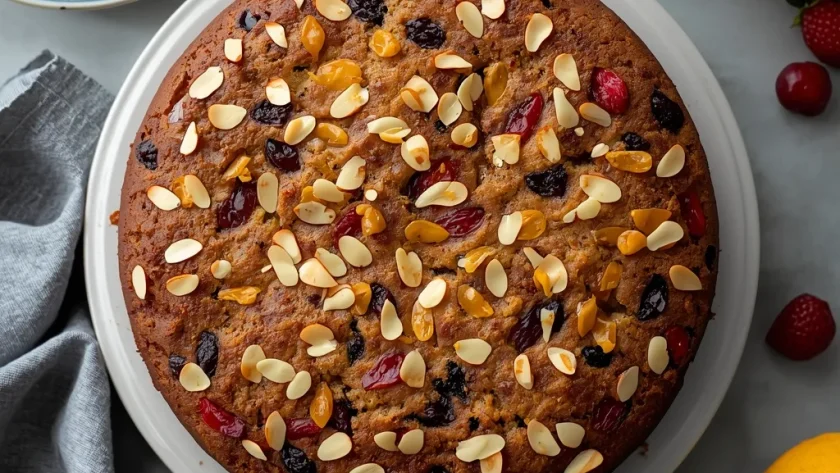
 If you’re after a fruit cake that feels like a warm, comforting hug, a classic Mary Berry Dundee Cake is it. This Scottish teatime staple has a dense, moist crumb that’s generously packed with dried fruit and brightened with a double hit of citrus. Topped with flaked almonds for a little crunch, it’s a bake that improves with age, making it perfect for making ahead.
The whole process takes around 80 minutes from start to cool slice, and I’d call it intermediate-friendly. The key is in the creaming and gentle folding; get those right, and you’ll have a stunning, traditional bake that’s far superior to anything shop-bought.
What Is Mary Berry Dundee Cake?
This is a specific style of Scottish fruit cake, originating from the city of Dundee. Its defining features are a rich almond presence and a characteristic topping of concentric circles of flaked almonds. Unlike heavier Christmas cakes, it’s often enjoyed un-iced, letting the quality of the ingredients shine through.
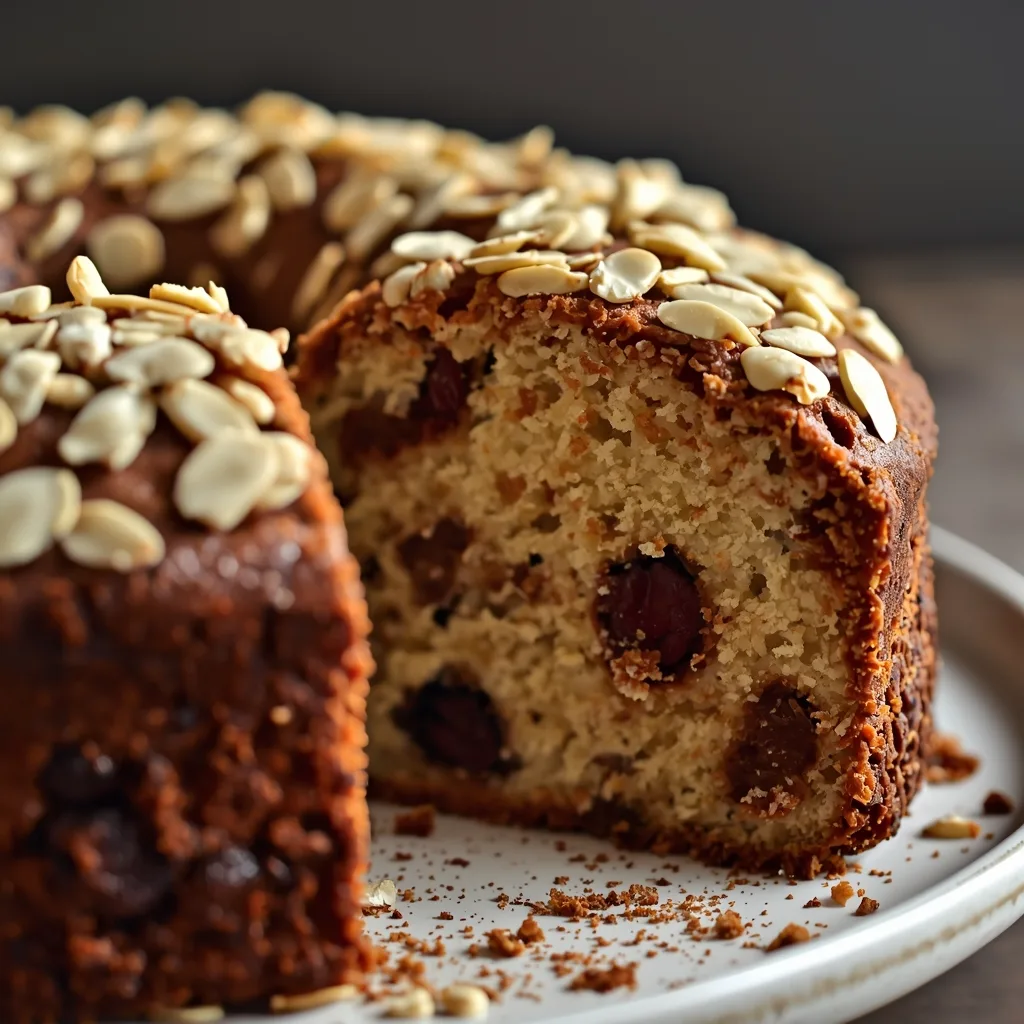
What sets it apart is its wonderful texture. The ground almonds keep the crumb incredibly moist and tender, while the citrus zest cuts through the sweetness of the dried fruit. It’s a bake that holds a special place in British baking, ideal for a celebratory afternoon tea or as a lovely homemade gift.
Gather These Fresh Ingredients for Mary Berry Dundee Cake
Here’s what you’ll need, broken down by their role in the recipe. Using room-temperature butter and eggs isn’t just a suggestion—it’s the secret to a beautifully light and aerated batter.
Fats, Sweeteners & Eggs
- Unsalted butter, softened — This is the foundation for flavour and structure. Let it sit out for an hour; if you press a finger into it, it should leave a clear indent without being greasy.
- Granulated sugar — Creamed with the butter, it dissolves to create a light, airy base. Caster sugar works perfectly here too.
- Large eggs, room temperature — They bind everything together and add richness. Cold eggs can cause the creamed mixture to split, so plan ahead.
- Pure vanilla extract — A splash enhances all the other flavours in the background. A good quality extract makes a noticeable difference.
Dry Ingredients & Leaveners
- All-purpose flour — Spoon and level it into your cup for accuracy. This provides the main structure for the cake.
- Baking powder — Just half a teaspoon gives the dense batter a gentle lift. Make sure yours is fresh for the best rise.
- Ground mixed spice — This classic British blend of cinnamon, nutmeg, and allspice adds a warm, festive depth. You can mix your own if you don’t have the blend.
- Ground almonds — Also called almond flour, this is non-negotiable. It gives the cake its signature moist, dense texture and a subtle nutty flavour.
Flavour Elements & Finishes
- Mixed dried fruit — A blend of currants, sultanas, and candied peel is traditional. I like to give mine a quick rinse and pat dry if they seem a bit dusty.
- Orange & lemon zest — Use unwaxed fruit and grate only the bright outer layer. The white pith is bitter. This citrus kick is what makes the cake taste so fresh.
- Brandy or whole milk — Brandy adds a wonderful boozy richness, while milk keeps it family-friendly. Both work to achieve the perfect “dropping consistency.”
- Flaked almonds — These are for the iconic topping. Scatter them evenly so every slice gets some of that lovely toasted crunch.
Detailed Step-by-Step Instructions to Make Mary Berry Dundee Cake
The method is a classic creaming-and-folding process. Taking your time in the first few steps pays off with a beautifully textured cake.
- Prepare Your Pan — Preheat your oven to 325°F (160°C). Grease and fully line a 6-inch round pan with parchment paper, leaving an overhang. This is your insurance policy for a clean release later.
- Cream Butter and Sugar — In a large bowl, beat the softened butter and sugar for a full 3-4 minutes with an electric mixer. You want it very pale, fluffy, and almost doubled. Rushing this is the most common error.
- Add Eggs Gradually — Crack in the eggs one at a time, beating well after each until fully incorporated before adding the next. Mix in the vanilla. If the mixture looks slightly curdled, add a spoonful of your measured flour to bring it back together.
- Sift Dry Ingredients — In a separate bowl, sift together the flour, baking powder, salt, and mixed spice. Sifting isn’t just for lumps; it aerates the flour for a lighter crumb.
- Fold in Dry Mix — Gently fold the sifted dry ingredients and ground almonds into the creamed mixture. Use a large metal spoon or spatula and stop the moment no dry streaks remain. Overmixing at this stage leads to a tough cake.
- Incorporate Fruit & Zest — Now, gently fold in the mixed dried fruit and both citrus zests until they’re evenly distributed. The batter will be quite stiff at this point.
- Loosen the Batter — Stir in the brandy or milk. You’re aiming for a “dropping consistency”—the batter should fall slowly from a spoon when lifted. This ensures even baking and a moist result.
- Transfer and Top — Spoon the batter into your prepared pan, smoothing the top. Scatter the flaked almonds evenly over the surface. They’ll toast to a perfect golden brown as the cake bakes.
- Bake Until Golden — Bake for 50-60 minutes. It’s done when a skewer inserted into the centre comes out clean, the top is firm, and the almonds are golden. The low temperature prevents the fruit from burning.
- Cool in the Pan — Let the cake cool in the pan on a wire rack for 15 minutes. This allows it to sit so it doesn’t collapse when you move it.
- Cool Completely — Use the parchment overhang to lift the cake out and transfer it to the rack to cool fully. Only consider glazing or wrapping it once it’s completely cold.
- Optional Glaze & Store — For a traditional glossy finish, brush the cold top with a tablespoon of warmed apricot jam. Then, wrap in parchment and store in an airtight container.

Common Mistakes and How I Fixed Them
I’ve made my share of errors with fruit cakes over the years. Here are the pitfalls I learned to avoid the hard way.
- Rushing the creaming — I once under-creamed my butter and sugar, eager to move on. The result was a denser, less risen cake. Now I set a timer for 4 minutes and don’t stop until it’s truly pale and fluffy.
- Adding eggs too quickly — Dumping in both eggs at once caused my mixture to curdle and look grainy. Adding them one by one, with thorough beating in between, creates a stable, emulsified base.
- Overmixing after adding flour — Vigorous stirring once the flour is in develops gluten. I ended up with a tough, bready texture. A gentle, minimal fold is all you need.
- Using cold fruit — Straight-from-the-packet fruit can sink. I now give mine a light toss in a spoonful of the measured flour, which helps suspend it throughout the batter.
- Under-baking — Because it’s so moist, I took it out early once, worried it was drying. The centre was gummy. The skewer test is non-negotiable—it must come out clean.
- Slicing while warm — Impatience got the better of me, and my slice crumbled. Letting it cool completely allows the structure to set for neat, perfect pieces.
What Pairs Perfectly with Mary Berry Dundee Cake
This is a wonderfully versatile cake. Here’s how I love to serve it.
- A proper cup of tea — A strong, malty Assam or a classic English Breakfast is the ultimate companion. The tannins cut through the richness beautifully.
- Dessert wine or sherry — A small glass of a good tawny port or amontillado sherry alongside a slice feels incredibly indulgent and traditional.
- Sharp cheddar cheese — The British “cake and cheese” combination is a winner. A slice of mature cheddar provides a savoury contrast that’s surprisingly good.
- Clotted cream or crème fraîche — For a truly decadent treat, a dollop of cool, rich clotted cream on the side is heavenly.
- Fresh berries — A small handful of raspberries or strawberries adds a fresh, juicy element that lightens each bite.
Pro Tips for Making Mary Berry Dundee Cake
A few small tweaks can elevate your bake from good to exceptional.
- Weigh your ingredients — For absolute accuracy, especially with flour, use digital kitchen scales. It guarantees consistent results every single time.
- Zest directly into the bowl — Grate your orange and lemon zest directly over the mixing bowl to capture every drop of the fragrant citrus oils.
- Soak your fruit — For an even moister cake, soak the dried fruit in the brandy (or orange juice) for an hour or even overnight before baking.
- Check your oven temperature — Oven thermostats can be inaccurate. An inexpensive oven thermometer ensures you’re baking at the correct 325°F.
- Use a light-colored pan — Dark pans absorb more heat and can cause the edges to over-brown. A light-colored tin promotes even baking.
- Listen to the cake — In the last 10 minutes of baking, it will smell wonderfully nutty and fruity. This is a good sign, it’s nearly done.
Inspiring Variations of Mary Berry Dundee Cake
Once you’ve mastered the classic, try these simple twists.
- Whisky-Soaked Fruit — Swap the brandy for a good Scotch whisky when soaking the fruit, and use a splash in the batter for a truly Scottish flavour.
- Glacé Cherry & Almond — Replace 50g of the mixed fruit with whole glacé cherries. Their vibrant colour and sweetness make a lovely festive version.
- Chocolate Chip Addition — Fold in 50g of dark chocolate chips with the dried fruit for pockets of bittersweet richness.
- Stem Ginger Spice — Add two tablespoons of finely chopped stem ginger and a teaspoon of its syrup to the batter for a warm, spicy kick.
- Marzipan Topping
— After baking and cooling, top the cake with a thin layer of marzipan instead of the apricot glaze for an almond-forward finish.
How to Store Mary Berry Dundee Cake Properly
This cake keeps brilliantly. Proper storage ensures it stays moist and delicious.
- Room temperature storage — Once completely cool, wrap it in parchment paper and place it in an airtight container. It will keep well for up to a week.
- Freezing for longevity — Wrap the cooled, un-glazed cake tightly in a layer of cling film, then foil. Freeze for up to 3 months. Thaw overnight at room temperature.
- Flavour development trick — Wrapping and storing it for 2-3 days before serving allows the flavours to meld and deepen beautifully.
- Reviving a dry slice — If a slice seems a little dry, a quick 10-second burst in the microwave can restore its moisture and warmth.
Smart Reheating Tips for Mary Berry Dundee Cake
While best at room temperature, a little warmth can be lovely.
- The gentle oven method — Place slices on a baking sheet and warm in a 300°F (150°C) oven for 5-10 minutes. This revives the texture without drying it out.
- Quick microwave fix — For a single slice, microwave on medium power for 10-15 seconds. Be careful not to overdo it, or it can become tough.
- Toasting under the grill — For a crispy top, place a slice under a preheated grill for just 30-60 seconds, watching it like a hawk to prevent burning.
FAQs
Can I make Mary Berry Dundee Cake without alcohol?
Absolutely. The recipe calls for brandy or whole milk. Using milk gives you a completely family-friendly, and still delicious, teatime cake. Orange juice is another good non-alcoholic alternative.
What is mixed spice, and what can I use instead?
It’s a British blend of sweet spices like cinnamon, coriander, nutmeg, and allspice. If you don’t have it, use 1/4 tsp cinnamon, 1/8 tsp nutmeg, and 1/8 tsp allspice. Ground ginger or a pinch of cloves also work well.
My fruit always sinks to the bottom. How do I prevent this?
Toss the dried fruit in a light coating of the measured flour before folding it in. This little layer of flour helps to suspend the fruit in the batter during baking.
How long does Mary Berry Dundee Cake last, and can I freeze it?
Stored properly at room temperature, it lasts a week. Yes, it freezes beautifully for up to 3 months. Wrap it well to prevent freezer burn and thaw it slowly at room temperature.
Can I use a different size cake pan?
This recipe is designed for a 6-inch pan. Using an 8-inch pan will result in a much thinner cake that will bake faster. I’d recommend sticking to the specified size for the best height and texture.
Do I have to use the apricot jam glaze?
Not at all. The glaze adds a subtle sweetness and lovely sheen, but the cake is perfectly complete without it. The flaked almonds provide plenty of visual appeal on their own.
Nutritional Value
Based on 1 serving = one quarter of the whole cake.
- Calories: 710
- Protein: 11g
- Fat: 35g
- Carbohydrates: 91g
- Fiber: 6g
- Sugar: 55g
- Sodium: 120mg
Wrapping Up
Baking this classic is such a rewarding process. The scent of citrus and spice filling your kitchen is part of the joy. It’s a timeless recipe that delivers on both flavour and tradition.
I hope you feel inspired to bake your own Mary Berry Dundee Cake. It’s a wonderful, reliable bake that’s sure to earn you compliments. Do let me know how you get on with it over on the site.
PrintMary Berry Dundee Cake
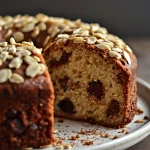
A classic Scottish fruit cake with a moist, dense crumb packed with mixed dried fruit and bright citrus zests. Topped with flaked almonds for a crunchy contrast, it’s perfect for afternoon tea or holiday gatherings.
- Prep Time: 20
- Cook Time: 60
- Total Time: 80
- Yield: 4 1x
- Category: Dessert
- Method: Baking
- Cuisine: British
Ingredients
- 1/2 cup (1 stick / 113g) unsalted butter, softened to room temperature
- 1/2 cup (100g) granulated sugar
- 2 large eggs, at room temperature
- 1 teaspoon pure vanilla extract
- 1 cup (125g) all-purpose flour, spooned and leveled
- 1/2 teaspoon baking powder
- 1/4 teaspoon kosher salt
- 1/2 teaspoon ground mixed spice (or substitute with 1/4 tsp ground cinnamon, 1/8 tsp ground nutmeg, 1/8 tsp ground allspice)
- 1/2 cup (60g) ground almonds (almond flour)
- 1 1/2 cups (225g) mixed dried fruit (a blend of currants, sultanas, and chopped candied orange peel)
- Zest of 1 medium orange, finely grated
- Zest of 1 medium lemon, finely grated
- 2 tablespoons brandy or whole milk
- 2 tablespoons flaked almonds, for topping
Instructions
- Preheat the oven to 325°F / 160°C. Grease and line a 6-inch round cake pan with parchment paper, leaving an overhang on all sides. This ensures easy removal after baking and prevents the cake from sticking to the pan.
- In a large bowl, using an electric mixer on medium speed, beat the softened butter and granulated sugar together for 3-4 minutes until pale, fluffy, and nearly doubled in volume. Creaming incorporates air, which is essential for a light cake texture; avoid under-beating as it can result in a dense cake.
- Add the eggs one at a time, beating well after each addition until fully incorporated. Mix in the vanilla extract. Adding eggs gradually prevents the mixture from curdling, which can break the emulsion and affect the cake’s rise.
- In a separate bowl, sift together the all-purpose flour, baking powder, kosher salt, and ground mixed spice. Sifting aerates the flour and ensures even distribution of leavening agents for a uniform crumb.
- Gradually fold the sifted dry ingredients and ground almonds into the creamed mixture using a spatula, mixing until just combined with no dry streaks. Overmixing can develop gluten, leading to a tough cake; stop as soon as the batter is homogeneous.
- Gently fold in the mixed dried fruit, orange zest, and lemon zest until evenly distributed. The citrus zests add bright, aromatic notes that balance the sweetness of the fruit, enhancing the overall flavor profile.
- Stir in the brandy or whole milk to loosen the batter to a dropping consistency—it should fall slowly from a spoon when lifted. This adjusts the batter’s moisture content, ensuring a moist cake that bakes evenly without becoming dry.
- Spoon the batter into the prepared pan, smoothing the top with a spatula. Scatter the flaked almonds evenly over the surface. The almonds will toast during baking, adding a crunchy texture and visual appeal to the finished cake.
- Place the pan in the preheated oven and bake for 50-60 minutes, or until a skewer inserted into the center comes out clean. The cake should be golden brown and firm to the touch. Baking at a lower temperature prevents the fruit from burning while allowing the center to cook through.
- Allow the cake to cool in the pan on a wire rack for 15 minutes. Then, using the parchment overhang, carefully lift the cake out and transfer it to the rack to cool completely. Cooling in the pan initially prevents the cake from collapsing due to sudden temperature changes.
- Once completely cool, if desired, brush the top with a tablespoon of warmed apricot jam for a traditional glossy finish. This optional step adds a subtle sweetness and helps preserve moisture.
- For storage, wrap the cooled cake in parchment paper and place in an airtight container. It can be kept at room temperature for up to 1 week or frozen for up to 3 months. Thaw at room temperature before serving.
Notes
Store the cake in an airtight container at room temperature for up to 1 week. For longer storage, wrap tightly in plastic wrap and freeze for up to 3 months; thaw at room temperature before serving. To refresh, warm slices in a 300°F / 150°C oven for 5-10 minutes.
Nutrition
- Calories: 710
- Sugar: 55g
- Sodium: 120mg
- Saturated Fat: 14g
- Carbohydrates: 91g
- Fiber: 6g
- Protein: 11g
- Cholesterol: 153mg
Keywords: Mary Berry Dundee cake, Dundee cake recipe, Scottish fruit cake, traditional British baking, almond topped cake, dried fruit cake, holiday baking, afternoon tea cake, moist fruit cake, easy cake recipe