 Ekani Ella
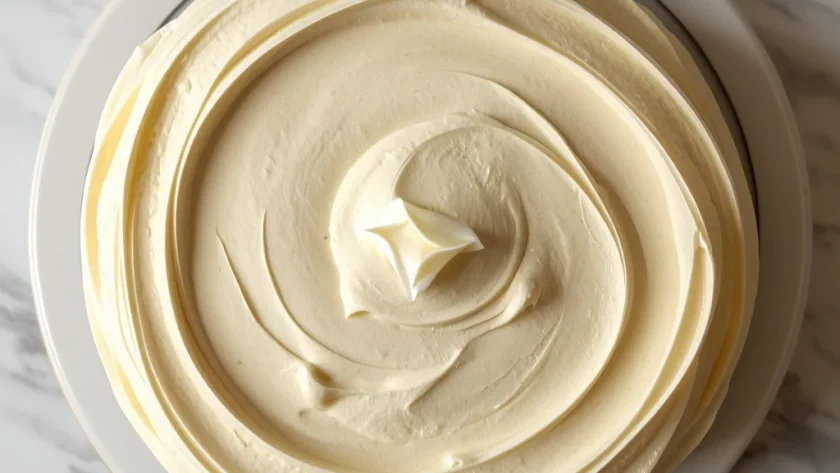
 If you’re looking for a classic, silky-smooth frosting that’s perfect for everything from a simple cupcake to a grand celebration cake, you need to try Mary Berry Vanilla Buttercream. This British staple is known for its pure vanilla flavor and light, spreadable texture that holds its shape beautifully for piping. It’s the kind of reliable recipe you’ll come back to again and again.
This is a beginner-friendly, no-cook recipe that comes together in about 15 minutes total. The key is in the technique—properly creaming the butter and whipping the frosting to the right consistency. I’ll walk you through the few simple steps to ensure you get that perfect, non-greasy, fluffy result every single time.
What Is Mary Berry Vanilla Buttercream?
This is the quintessential British buttercream, a cornerstone of classic baking. It’s a simple emulsion of butter, sugar, and a touch of milk, lifted with pure vanilla. What sets it apart from heavier American buttercreams is its lighter texture and less cloying sweetness.
The magic lies in the method. By beating the butter until it’s pale and fluffy before adding the sugar, you incorporate air that gives the final frosting a wonderfully light mouthfeel. It’s the perfect filling for a Victoria sponge or a delicate topping for fairy cakes.
Gather These Fresh Ingredients for Mary Berry Vanilla Buttercream
You only need five simple ingredients to make this iconic frosting. Using the best quality you can find here makes a noticeable difference in the final flavor.
The Fat & Sweetener
- Unsalted Butter (1 cup / 226g) — This is the foundation. It must be softened to a cool room temperature (65-68°F / 18-20°C) so it creams properly. Using unsalted butter lets you control the salt level.
- Confectioners’ Sugar (3 1/2 cups / 420g) — Also called icing sugar or powdered sugar. Sifting is non-negotiable; it removes lumps for an impeccably smooth, silky finish.
The Flavor & Texture Enhancers
- Whole Milk (2 tbsp / 30ml) — Room temperature milk loosens the mixture to a perfect spreading and piping consistency. Cold milk can cause the butter to seize.
- Pure Vanilla Extract (2 tsp / 10ml) — This is where the flavor shines. For an even more intense vanilla flavor and beautiful speckles, you can use 1 teaspoon of vanilla bean paste instead.
- Fine Sea Salt (1/4 tsp) — A tiny amount balances the sweetness and heightens the vanilla flavor, preventing the frosting from tasting one-dimensional.
Detailed Step-by-Step Instructions to Make Mary Berry Vanilla Buttercream
The process is straightforward, but each step has a purpose. Here is how I walk through it to ensure perfect results.
- Cream the Butter — Beat the softened butter in a stand mixer with the paddle attachment for 3-4 minutes on medium speed. Don’t rush this. The butter should become very pale, creamy, and almost fluffy. This aeration is crucial for texture.
- Add the Sugar Gradually — With the mixer on low, add the sifted icing sugar about 1/2 cup at a time. Let each addition incorporate fully to avoid a sugar cloud. Scrape down the bowl halfway through.
- Beat the Base — Once all sugar is in, beat on medium for 2 full minutes. The mixture will look thick and a bit dry. This further dissolves the sugar crystals.
- Combine the Liquids — In a small cup, stir together the milk, vanilla, and salt. This helps the salt dissolve evenly so it doesn’t create gritty spots.
- Incorporate the Liquid — With the mixer on low, slowly drizzle the milk mixture down the side of the bowl. It may look wet or separated briefly—this is normal and will come together.
- Whip to Perfection — Scrape the bowl, then beat on medium-high for 3-4 minutes. Watch it transform: it will become light, fluffy, noticeably whiter, and hold stiff peaks. This is your spreadable, pipeable consistency.
- Test and Adjust — Lift the paddle. The frosting should form a firm peak that curls over slightly. If too stiff, beat in extra milk 1 tsp at a time. If too soft, chill the bowl for 10-15 minutes, then re-whip briefly.
Common Mistakes and How I Fixed Them
I’ve made my share of frosting fails over the years—grainy, greasy, or too runy to pipe. Learning from these missteps is what makes this recipe foolproof now.
- Butter Temperature — Using butter that’s too cold or, worse, melted, was my first big error. Cold butter won’t cream properly, and melted butter will never whip up fluffy. Now I leave it out for a good hour until it’s cool but yields gently to pressure.
- Skipping the Sift — I once thought I could just beat the lumps out. I couldn’t. The finished buttercream had tiny sugar granules. Sifting the confectioners’ sugar is a quick step that guarantees a silky mouthfeel.
- Rushing the Whipping — Impatience leads to dense frosting. That final 3-4 minute whip on medium-high is not a suggestion. It’s what incorporates massive amounts of air, turning it from heavy to cloud-like.
- Adding Cold Milk — Introducing a cold liquid to creamed butter can cause it to firm up and break the emulsion, making the frosting look curdled. I now always take my milk out of the fridge when I take out the butter.
- Forgetting the Scrape Down — Failing to scrape the bowl halfway through adding the sugar left me with unincorporated butter and sugar at the bottom, creating an inconsistent texture. A quick scrape ensures everything is homogeneous.
What Pairs Perfectly with Mary Berry Vanilla Buttercream
This versatile frosting is a blank canvas. Here are my favorite ways to use it, from classic bakes to simple treats.
- Classic Victoria Sponge — This is its natural home. A layer of this buttercream with a dollop of raspberry jam between two light sponges is teatime perfection.
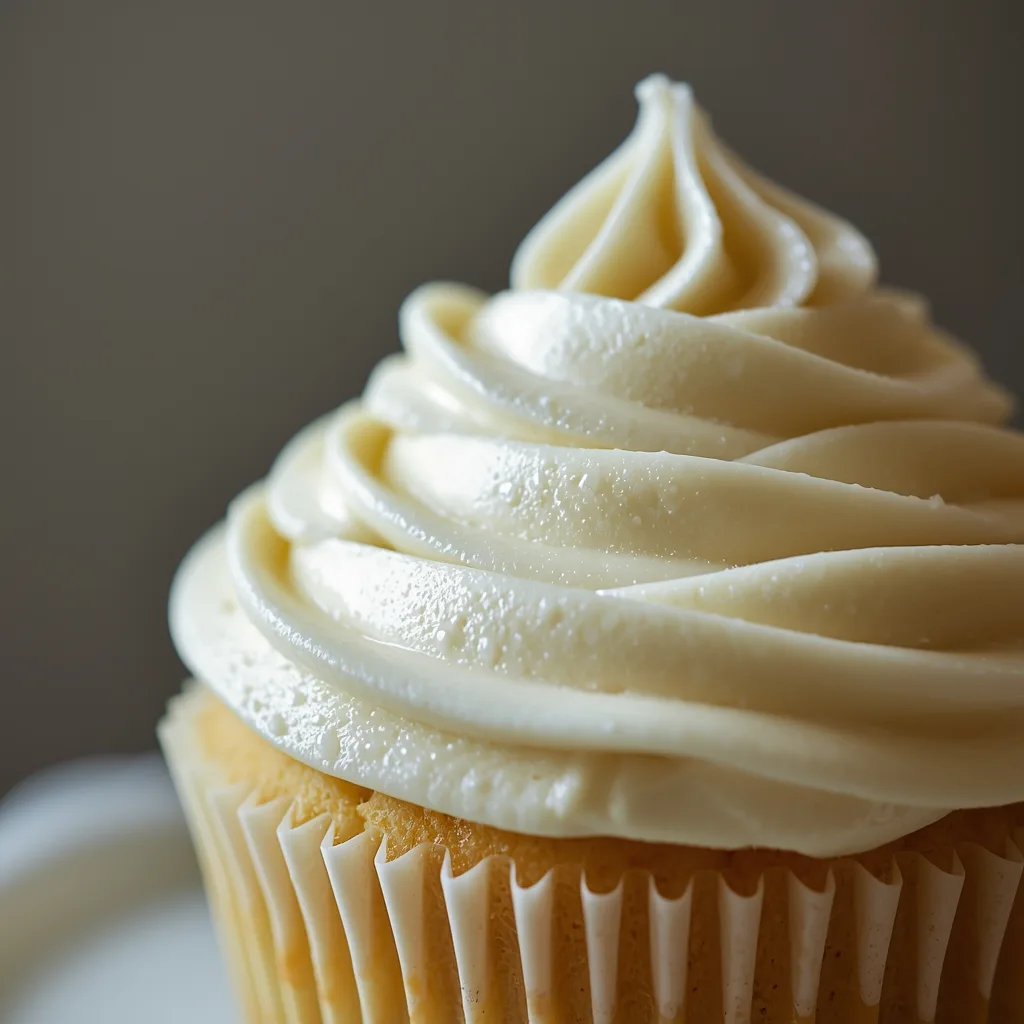
- Birthday Cupcakes — Its stiff-peak consistency makes it ideal for piping beautiful swirls on top of vanilla or chocolate cupcakes.
- Simple Sandwich Cookies — A generous smear between two digestives or shortbread rounds makes for an effortlessly elegant treat.
- Fairy Cakes — A modest, peaked swirl on top of these small buns is the traditional and utterly charming way to serve them.
- Chocolate Layer Cake — The pure vanilla flavor cuts through the richness of a dark chocolate cake beautifully, creating a timeless combination.
- Lemon Drizzle Cake — The creamy vanilla frosting provides a lovely, mellow contrast to the sharp, zesty tang of a lemon cake.
Pro Tips for Making Mary Berry Vanilla Buttercream
A few small, thoughtful actions can elevate your frosting from good to exceptional. These are the habits I’ve adopted in my own kitchen.
- Weigh Your Ingredients — Especially for the sugar. Cup measurements can vary wildly. 420g of sifted icing sugar is the most reliable path to the correct consistency.
- Use a Stand Mixer — A hand mixer works, but a stand mixer is superior for the extended whipping times. It creates a more stable, aerated structure with less effort on your part.
- Check for Stiff Peaks — Don’t just guess. Stop the mixer, lift the paddle, and look for that firm peak that curls over. This is the visual cue that it’s ready to pipe or spread.
- Room Temperature is Key — Every ingredient, from butter to milk, should be at a similar cool room temperature. This prevents seizing and ensures a smooth, emulsified final product.
- Flavor Infusions — For a deeper flavor, you can steep a vanilla pod in the milk for 30 minutes before using it, then strain it out. It adds a wonderful aromatic quality.
- Patience with Adjustments — If you need to add more milk or chill the frosting, do it incrementally. Add 1 teaspoon of milk at a time, or chill for 10-minute intervals, re-whipping after each adjustment.
Inspiring Variations of Mary Berry Vanilla Buttercream
Once you’ve mastered the classic, it’s fun to play with flavors. These simple swaps create entirely new frostings.
- Chocolate Version — Reduce the icing sugar to 3 cups (360g) and sift in 1/2 cup (60g) of high-quality cocoa powder with it. You may need an extra tablespoon of milk.
- Lemon or Orange Buttercream — Replace the vanilla extract with 2 teaspoons of finely grated citrus zest and use 1 tablespoon of juice in place of 1 tablespoon of the milk.
- Coffee Buttercream — Dissolve 1-2 teaspoons of instant espresso powder in the milk before adding it to the mix for a rich, mocha flavor.
- Strawberry or Raspberry — Beat in 2-3 tablespoons of seedless strawberry or raspberry jam at the very end for a pretty pink hue and fruity taste.
- Bailey’s Irish Cream — Replace the milk and vanilla with 2-3 tablespoons of Bailey’s for a decadent, grown-up frosting perfect for holiday baking.
How to Store Mary Berry Vanilla Buttercream Properly
Proper storage keeps your frosting fresh and ready for its next use. Here’s how I manage it.
- Airtight Refrigeration — Press plastic wrap directly onto the surface of the frosting in a bowl, or store it in a sealed container. It will keep well for up to 1 week.
- Freezing for Longevity — For storage up to 3 months, spoon it into a heavy-duty freezer bag, press out the air, and seal. You can also freeze it in a sealed container.
- Frosted Cake Storage — A cake frosted with this buttercream can sit at cool room temperature for a day. For longer, refrigerate it, but let it come to room temperature for an hour before serving for the best texture.
- Pre-Piped Decorations — You can pipe shapes onto parchment paper, freeze them solid, then transfer to a container. They make for quick, elegant cake decorations later.
Smart Reheating Tips for Mary Berry Vanilla Buttercream
Chilled or frozen frosting needs a little TLC to return to its fluffy glory. Never skip the re-whipping step.
- Thaw Overnight — Move frozen frosting to the refrigerator and let it thaw completely, which usually takes about 8 hours or overnight.
- Return to Room Temperature — Take the thawed or refrigerated frosting out and let it sit on the counter for about an hour until it’s no longer cold.
- Re-whip Vigorously — This is the most important step. Beat the frosting in your stand mixer on medium speed for 2-3 minutes until it’s light, fluffy, and spreadable again.
- Avoid the Microwave — Direct heat will melt the butter and break the emulsion, creating a greasy, separated mess that cannot be saved. Patience is the only method that works.
FAQs
Can I make Mary Berry Vanilla Buttercream in advance?
Absolutely. You can make it up to 3 days ahead. Store it covered in the fridge, then let it come to room temperature and re-whip it before using to restore the fluffy texture.
Why is my buttercream grainy?
This is almost always due to not sifting the confectioners’ sugar, or not beating it long enough to fully dissolve the sugar crystals. Ensure you sift and commit to the full whipping times in the recipe.
My buttercream looks curdled. What happened?
This usually means your ingredients were different temperatures, shocking the butter. Make sure everything is at room temperature. If it happens, just keep beating—it will often come together as it warms and emulsifies.
How long does Mary Berry Vanilla Buttercream last on a cake?
A cake frosted with it is fine at cool room temperature for 24 hours. For longer, refrigerate the cake. The frosting will firm up but soften nicely when brought back to room temperature before serving.
Can I use salted butter?
You can, but omit the added 1/4 teaspoon of fine sea salt from the recipe. The salt level in salted butter can vary by brand, so using unsalted gives you complete control.
Is this the same as American buttercream?
It’s similar but typically lighter and less sweet. The extended creaming and whipping times incorporate more air, and the ratio often uses less confectioners’ sugar relative to the butter.
Nutritional Value
Based on 1 serving, which is roughly a quarter of the total recipe yield—enough to generously frost several cupcakes or fill and coat a small layer cake.
- Calories: 870
- Protein: about 1g
- Fat: 46g
- Carbohydrates: 118g
- Fiber: 0g
- Sugar: around 115g
- Sodium: 140mg
Wrapping Up
Mastering this classic frosting is a rite of passage for any home baker. It’s versatile, reliable, and delivers that perfect, pure vanilla flavor that elevates any simple bake. Once you get the feel for that perfectly whipped, stiff-peak consistency, you’ll understand why this recipe is such a beloved staple.
I hope this guide gives you the confidence to make the perfect Mary Berry Vanilla Buttercream on your first try. It’s a foundational skill that will serve you well for years of joyful baking. Now, go preheat your oven for a cake—you’ve got the perfect frosting ready to go.
PrintMary Berry Vanilla Buttercream
A classic, silky-smooth British buttercream with pure vanilla flavor, perfect for piping onto cupcakes or filling and frosting layer cakes. This recipe yields a light, spreadable frosting that holds its shape beautifully without being overly sweet.
- Prep Time: 15
- Total Time: 15
- Yield: 4 1x
- Category: Dessert
- Method: No-Cook
- Cuisine: British
Ingredients
- 1 cup (226g) unsalted butter, softened to room temperature (65-68°F / 18-20°C)
- 3 1/2 cups (420g) confectioners’ sugar (powdered/icing sugar), sifted
- 2 tbsp (30ml) whole milk, at room temperature
- 2 tsp (10ml) pure vanilla extract (or 1 tsp vanilla bean paste)
- 1/4 tsp fine sea salt
Instructions
- Place the softened unsalted butter in the bowl of a stand mixer fitted with the paddle attachment. Beat on medium speed for 3-4 minutes until the butter is very pale, creamy, and almost fluffy. This crucial step incorporates air, which lightens the texture and prevents a greasy mouthfeel in the final buttercream.
- With the mixer on low speed, gradually add the sifted confectioners’ sugar, about 1/2 cup at a time. Allow each addition to be fully incorporated before adding the next to prevent a sugar cloud. Scrape down the sides and bottom of the bowl with a flexible spatula halfway through to ensure even mixing.
- Once all sugar is incorporated, increase the mixer speed to medium and beat for a full 2 minutes. The mixture will appear thick and somewhat dry. This extended beating further aerates the mixture and begins to dissolve the sugar crystals for ultimate smoothness.
- In a small bowl or measuring cup, combine the room-temperature whole milk, pure vanilla extract, and fine sea salt. Stir briefly to dissolve the salt into the liquid. Adding the salt here ensures even distribution throughout the frosting.
- With the mixer running on low speed, slowly drizzle the milk-vanilla mixture into the butter-sugar base. Pour it down the side of the bowl to prevent splashing. The mixture will initially look wet and may separate slightly—this is normal.
- Once all liquid is added, stop the mixer and scrape the bowl thoroughly. Increase the speed to medium-high and beat for 3-4 minutes until the buttercream is extremely light, fluffy, and holds stiff peaks. It should be noticeably whiter in color and have increased in volume. The final texture should be smooth and spreadable, not grainy.
- Test the consistency by lifting the paddle: the buttercream should form a firm peak that curls over slightly at the tip. If it’s too stiff for piping, add more milk 1 teaspoon at a time, beating for 30 seconds after each addition. If it’s too soft, refrigerate the bowl for 10-15 minutes, then re-whip briefly.
Notes
Storage: Store buttercream in an airtight container in the refrigerator for up to 1 week. For longer storage, freeze for up to 3 months in a sealed container or freezer bag. Thaw overnight in the refrigerator before use. Reheating/Reconstituting: Always bring chilled buttercream back to room temperature (about 1 hour). Re-whip in a stand mixer or with a hand mixer on medium speed for 2-3 minutes to restore its light, fluffy texture before using. Do not microwave, as this will melt the butter and break the emulsion.
Nutrition
- Calories: 870
- Sugar: 115g
- Sodium: 140mg
- Unsaturated Fat: 29g
- Trans Fat: 46g
- Carbohydrates: 118g
- Fiber: 0g
- Protein: 1g
- Cholesterol: 120mg
Keywords: Mary Berry vanilla buttercream, vanilla buttercream frosting, British buttercream, cupcake frosting, cake icing, vanilla frosting recipe, no-cook frosting, classic buttercream, piping frosting, simple icing