
 Ekani Ella
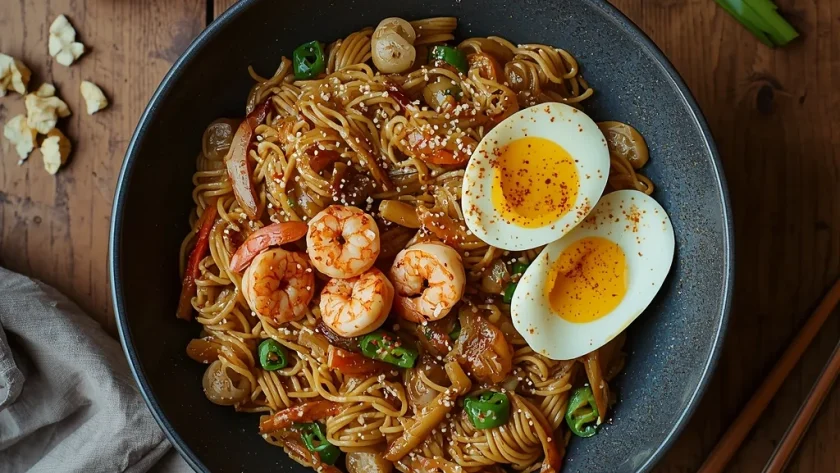
 One of my favourite weeknight saviours is the Hairy Bikers Singapore Noodles. It’s a vibrant, one-pan dish that delivers incredible aromatic flavour and satisfying texture in about 35 minutes. You get slippery rice noodles, juicy shrimp, crisp-tender vegetables, and fluffy egg, all brought together with a deeply savoury curry sauce.
This recipe is perfect for a fast family dinner or when you’re craving something more exciting than a standard stir-fry. While the method is straightforward for intermediate cooks, success hinges on good prep and high heat. Don’t be intimidated—I’ll guide you through the few key steps that make all the difference.
What are Hairy Bikers Singapore Noodles?
This isn’t a traditional dish from Singapore, but rather a Chinese-Cantonese creation often found in takeaway menus. It’s known for its distinctive yellow hue from curry powder and its mix of proteins and veggies. What sets this version apart is its balanced sauce and the technique of scrambling the eggs first, which keeps them tender.
The result is a complete, flavour-packed meal that’s both comforting and exciting. The combination of warm spices from the curry powder with the umami of oyster and soy sauce creates a complex base that’s far more interesting than your average noodle dish.
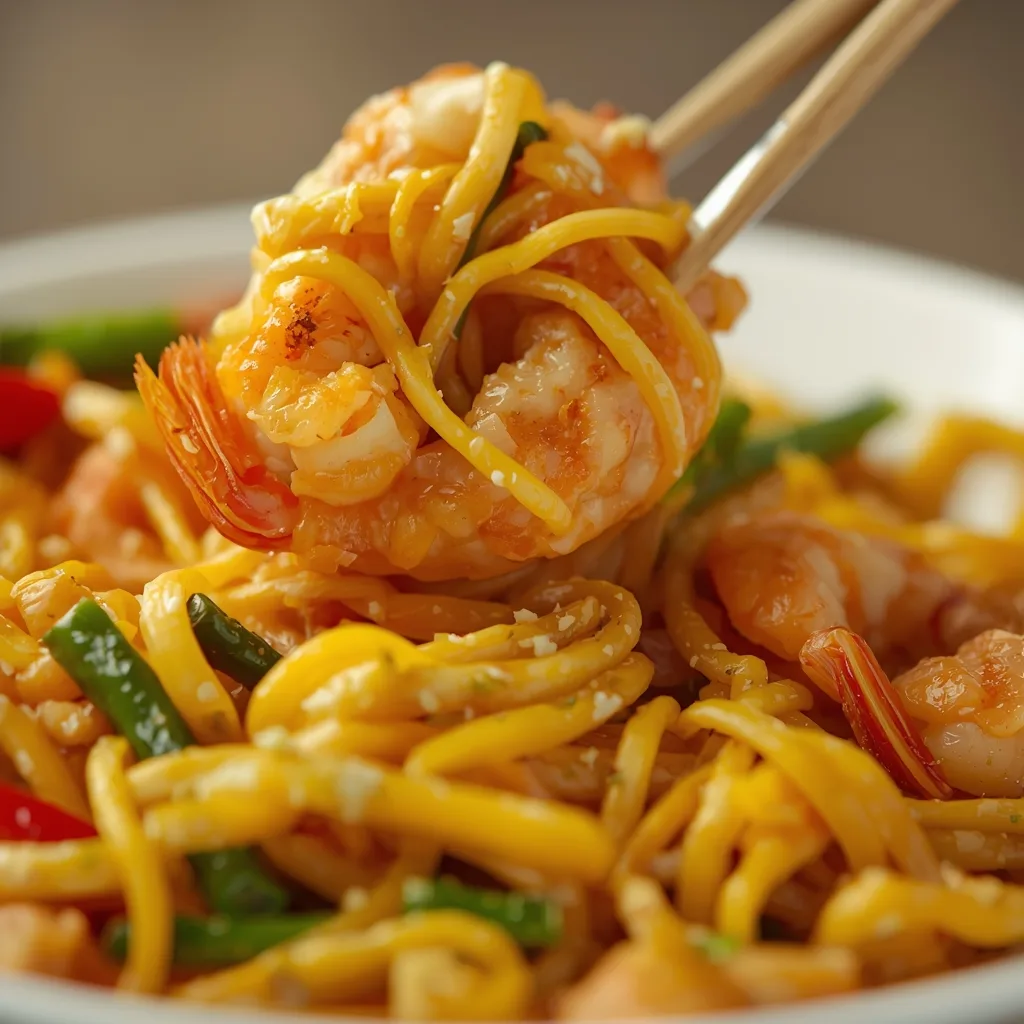
Gather These Fresh Ingredients for Hairy Bikers Singapore Noodles
Having everything measured and within arm’s reach is the secret to a stress-free stir-fry. Here’s what you need, broken down by role.
Noodles & Protein
- 8 oz dried rice vermicelli noodles — These thin noodles soak quickly and absorb the sauce beautifully. Look for them in the Asian aisle; avoid over-soaking or they’ll turn mushy during cooking.
- 8 oz medium shrimp, peeled and deveined — They cook in minutes and add sweet, succulent bites. Pat them very dry before cooking to get a good sear instead of steaming.
- 2 large eggs, lightly beaten — Scrambled directly in the wok, they add richness and protein. Beating them lightly first ensures even, fluffy curds.
Aromatics & Vegetables
- 1 cup onion, finely sliced — Provides a sweet, foundational flavour. A quick stir-fry keeps them crisp-tender.
- 1 cup red bell pepper, thinly sliced — Adds colour, sweetness, and a pleasant crunch. Thin slices ensure they cook quickly alongside the onion.
- 2 cloves garlic, minced & 1 tbsp fresh ginger, minced — The essential flavour base. Mince them finely so they cook in seconds without burning.
- 2 green onions, sliced — The white parts cook with the aromatics, while the green tops are a fresh, peppery garnish.
- 1 cup bean sprouts — Added at the very end for a fantastic fresh crunch and lightness.
Sauce Components
- 2 tbsp curry powder (preferably Madras) — This is the star, giving the dish its signature colour and warm, aromatic spice. Letting it bloom in the liquid deepens its flavour.
- 1 tbsp soy sauce & 1 tbsp oyster sauce — The dynamic duo for salty, savoury umami depth. Use a vegetarian oyster sauce if needed.
- 1 tsp granulated sugar & 1/2 cup chicken broth — The sugar balances the saltiness, while the broth creates the sauce’s volume and helps it coat every strand.
- 1 tsp fine sea salt & 1/2 tsp black pepper — For final seasoning. I always taste at the end before adding more.
Cooking Fat
- 2 tbsp vegetable oil, divided — A neutral oil with a high smoke point is perfect for stir-frying. Dividing it ensures each component cooks properly.
Detailed Step-by-Step Instructions to Make Hairy Bikers Singapore Noodles
The process moves quickly, so read through once before you start. Here’s how I break it down.
- Soak the Noodles — Place the rice vermicelli in a large bowl and cover with hot (not boiling) water. Soak for 5-7 minutes until al dente, testing a strand. Drain thoroughly; wet noodles will steam instead of fry.
- Season the Shrimp — Toss the shrimp with a pinch of salt and let sit for 5 minutes. Then, pat them completely dry with paper towels. This simple step seasons them and guarantees a better sear.
- Make the Sauce — In a small bowl, whisk the curry powder, soy sauce, oyster sauce, sugar, chicken broth, salt, and pepper until smooth. Let it sit for 10 minutes. This allows the curry powder to hydrate and the flavours to meld.
- Heat the Wok — Place a wok or large, heavy skillet over high heat. Let it get very hot for 2-3 minutes. Add 1 tablespoon of oil and swirl it to coat the surface. The oil should shimmer and flow like water.
- Scramble the Eggs — Pour in the beaten eggs and scramble immediately with a spatula until just set but still slightly moist, about 30-45 seconds. Transfer to a plate. They’ll finish cooking from residual heat, staying tender.
- Cook the Shrimp — Add the remaining oil to the hot wok. Add the shrimp in a single layer and stir-fry for 2-3 minutes until pink and opaque. Remove and add to the plate with the eggs.
- Stir-Fry the Veggies — In the same wok, add the onion and bell pepper. Stir-fry on high for 3-4 minutes until crisp-tender. Add the garlic, ginger, and white parts of the green onions; stir-fry for 30 seconds until fragrant.
- Combine Noodles and Sauce — Add the drained noodles to the wok. Pour the sauce over everything and toss vigorously with tongs for 2-3 minutes until the noodles are evenly coated and heated through.
- Bring It All Together — Return the shrimp and eggs to the wok. Add the bean sprouts and toss gently to combine, heating everything through for 1-2 more minutes.
- Finish and Serve — Remove from heat, garnish with the green onion tops, and taste for seasoning. Serve immediately while everything is hot and the textures are at their best.
Common Mistakes and How I Fixed Them
I’ve made my share of soggy, bland noodle dishes over the years. Learning from these errors transformed my stir-fry game.
- Soggy noodles — My first attempt was a mushy disaster. The culprit was soaking the noodles in boiling water for too long. Now I use hot tap water and test a strand religiously at the 5-minute mark.
- Overcrowded wok — Adding everything at once steams the ingredients. I cook in batches, as the recipe instructs, to ensure each component gets direct heat and develops flavour.
- Burnt curry powder — Adding dry curry powder directly to the hot wok can make it bitter. Blooming it in the liquid sauce first mellows and deepens its flavour perfectly.
- Rubbery shrimp — Overcooking is the enemy. I remove them the moment they turn pink and opaque. They’ll heat through again at the end without becoming tough.
- Underseasoned sauce — The sauce can taste flat if not balanced. Letting it sit for 10 minutes before using allows the sugar to dissolve and the flavours to integrate fully.
What Pairs Perfectly with Hairy Bikers Singapore Noodles
This dish is a complete meal, but a simple side can round it out nicely. Here are my favourite accompaniments.
- A light soup — A simple bowl of hot and sour soup or egg drop soup makes a fantastic starter without filling you up.
- Steamed greens — Bok choy or gai lan steamed with a dash of garlic and sesame oil adds a healthy, fresh element.
- Fresh salad — A crisp cucumber salad with a rice vinegar dressing cuts through the richness with a bright, acidic note.
- Spring rolls — A couple of vegetable spring rolls on the side add a different, crispy texture that’s always welcome.
- Extra chilli — For heat lovers, a small dish of sambal oelek or sliced fresh red chillies lets everyone adjust their own spice level.
Pro Tips for Making Hairy Bikers Singapore Noodles
These small adjustments, learned from practice, will elevate your results from good to great.
- Mise en place is non-negotiable — Have every ingredient chopped, measured, and lined up before you turn on the heat. The cooking process is too fast to stop and prep.
- Maximum heat for the wok — Get your pan screaming hot before adding oil. You should hear a strong sizzle when ingredients hit the surface. This is essential for the wok hei, or “breath of the wok,” flavour.
- Tongs are your best friend — Use a good pair of kitchen tongs for tossing the noodles with the sauce. They give you far more control than a spatula or spoon.
- Don’t skip the bean sprout crunch — Add the bean sprouts at the very last minute. They only need to warm through, preserving their refreshing, watery crunch.
- Taste for final seasoning — Different curry powders and soy sauces have varying salt levels. Always taste the finished dish and adjust with an extra drop of soy or pinch of salt if needed.
- Rest the cooked shrimp — Let the cooked shrimp sit on the plate while you cook the veggies. They’ll release some juice; pat the plate dry before adding them back to avoid watering down the sauce.
Inspiring Variations of Hairy Bikers Singapore Noodles
This recipe is wonderfully adaptable. Don’t hesitate to make it your own with these easy swaps.
- Vegetarian version — Replace the shrimp with 8 oz of firm tofu, pressed and cubed, and use vegetable broth. Stir-fry the tofu until golden before setting aside with the eggs.
- Chicken instead of shrimp — Use 8 oz of thinly sliced chicken breast. Stir-fry it for 4-5 minutes until cooked through before removing.
- Extra vegetable boost — Toss in a handful of sliced mushrooms or shredded carrots with the onions and peppers for more fibre and colour.
- Spicier kick — Add 1-2 thinly sliced fresh red chillies or a teaspoon of chilli paste to the sauce mixture.
- Different protein mix — Use a combination of 4 oz shrimp and 4 oz thinly sliced char siu pork for a classic Cantonese twist.
How to Store Hairy Bikers Singapore Noodles Properly
Leftovers are a great next-day lunch, but storing them right is key to maintaining texture.
- Airtight container — Transfer cooled leftovers to a sealed container. This prevents the noodles from drying out and absorbing fridge odours.
- Refrigerate promptly — Get the leftovers into the fridge within 2 hours of cooking. They will keep well for up to 2 days.
- Separate delicate items — If you know you’ll have leftovers, set aside a portion before adding the bean sprouts. Add fresh sprouts when reheating for the best crunch.
- Freezing is not ideal — I don’t recommend freezing this dish. The noodles and vegetables become mushy and grainy upon thawing and reheating.
Smart Reheating Tips for Hairy Bikers Singapore Noodles
Gentle, moist heat is the goal to revive the dish without turning it into a soggy mess.
- Stovetop refresh — Reheat in a wok or skillet over medium heat with a splash of water or broth. Toss constantly until steaming hot. This is the best method for restoring texture.
- Microwave with care — Place in a microwave-safe dish, sprinkle with a tablespoon of water, and cover loosely. Heat in 30-second intervals, fluffing with a fork between each, until hot.
- Avoid the oven — The dry, ambient heat of an oven tends to dry out the noodles on the edges before properly warming the centre.
FAQs
Can I use a different type of noodle?
Yes, but the cooking method will change. Thicker rice noodles or even thin wheat noodles (like chow mein) work. Just cook or soak them according to their package directions until al dente before adding to the wok.
What if I don’t have a wok?
A large, heavy-bottomed skillet or frying pan is a fine substitute. The key is to use one with the largest surface area you have to allow for quick evaporation and proper stir-frying.
Can I make Hairy Bikers Singapore Noodles ahead of time?
You can prep the ingredients ahead—chop vegetables, make the sauce, and soak the noodles. But for the best texture, I recommend cooking it just before serving, as the noodles continue to soften.
How can I make this dish less spicy?
Use a mild curry powder. Madras curry powder is typically quite warm; a standard supermarket “curry powder” is often milder. You can also reduce the amount to 1 tablespoon.
Is there a substitute for oyster sauce?
For a vegetarian option, use mushroom stir-fry sauce or more soy sauce mixed with a pinch of brown sugar for sweetness. The flavour will be different but still delicious.
Nutritional Value
Based on 1 serving (a quarter of the total recipe).
- Calories: 400
- Protein: 21g
- Fat: around 10g
- Carbohydrates: 52g
- Fiber: roughly 3g
- Sugar: 5g
- Sodium: about 925mg
Wrapping Up
This recipe is a fantastic way to bring the excitement of a restaurant-style stir-fry into your own kitchen with relatively simple techniques. The harmony of textures and the depth of the curry sauce make it a dish you’ll want to make again and again.
I hope my notes and tips give you the confidence to whip up a fantastic batch of Hairy Bikers Singapore Noodles. Once you get the rhythm of the prep and the high-heat cook, it becomes one of those satisfying, reliable recipes you can turn to any night of the week.
PrintHairy Bikers Singapore Noodles

Aromatic and slightly spicy stir-fried rice noodles with succulent shrimp, crisp vegetables, and fluffy scrambled eggs, all coated in a rich, flavorful curry sauce for a satisfying and quick meal.
- Prep Time: 20
- Cook Time: 15
- Total Time: 35
- Yield: 4 1x
- Category: Main Course
- Method: Stovetop
- Cuisine: Chinese
Ingredients
- 8 oz dried rice vermicelli noodles
- 8 oz medium shrimp, peeled and deveined
- 2 tbsp vegetable oil, divided
- 1 cup onion, finely sliced
- 1 cup red bell pepper, thinly sliced
- 2 cloves garlic, minced
- 1 tbsp fresh ginger, minced
- 2 green onions, sliced (white and green parts separated)
- 1 cup bean sprouts
- 2 large eggs, lightly beaten
- 2 tbsp curry powder (preferably Madras)
- 1 tbsp soy sauce
- 1 tbsp oyster sauce
- 1 tsp granulated sugar
- 1/2 cup chicken broth
- 1 tsp fine sea salt
- 1/2 tsp black pepper
Instructions
- Soak the rice noodles in a large bowl of hot water (not boiling) according to package instructions, typically 5-7 minutes, until al dente. Drain thoroughly and set aside; over-soaking can make them mushy, so test a strand periodically for the right tender-but-firm texture. This prep ensures even cooking and prevents clumping during stir-frying.
- While noodles soak, toss the shrimp with a pinch of salt and let sit for 5 minutes to season. This brief marination enhances flavor and helps retain moisture, keeping the shrimp juicy during high-heat cooking. Pat them dry with paper towels to ensure a good sear without steaming.
- In a small bowl, whisk together curry powder, soy sauce, oyster sauce, sugar, chicken broth, fine sea salt, and black pepper until smooth. Set the sauce aside for at least 10 minutes to allow the curry powder to bloom and flavors to meld, which deepens the aromatic profile of the dish.
- Heat a wok or large, heavy-bottomed skillet over high heat until very hot, about 2-3 minutes. Add 1 tablespoon of vegetable oil and swirl to coat the surface; the oil should shimmer and flow easily but not smoke, indicating the ideal temperature for quick stir-frying without burning.
- Pour the beaten eggs into the hot wok and immediately scramble using a spatula, pushing them gently until just set but still slightly moist, about 30-45 seconds. Remove and set aside on a plate to prevent overcooking; residual heat will finish them, ensuring tender, fluffy eggs.
- Add the remaining tablespoon of oil to the wok, maintaining high heat. Add the shrimp in a single layer and stir-fry for 2-3 minutes until they turn pink and opaque, stirring occasionally for even cooking. Remove and set aside with the eggs to avoid overcooking, which can make shrimp rubbery.
- In the same wok, add the sliced onion and bell pepper. Stir-fry on high heat for 3-4 minutes, tossing frequently, until slightly softened but still crisp-tender with bright colors. Add garlic, ginger, and white parts of green onions; stir-fry for 30 seconds until fragrant to release their essential oils without browning.
- Add the drained noodles to the wok with the vegetables. Pour the prepared sauce over and toss vigorously using tongs or two spatulas to coat evenly. Cook for 2-3 minutes, stirring constantly, until the noodles absorb the sauce and are heated through, ensuring no dry spots remain.
- Return the shrimp and scrambled eggs to the wok. Add bean sprouts and gently toss to combine, being careful not to break up the eggs too much. Cook for 1-2 minutes on medium-high heat until everything is hot and well-incorporated, with the bean sprouts adding a fresh crunch.
- Remove from heat and garnish with the green parts of the sliced green onions. Taste and adjust seasoning with additional salt or pepper if desired, then serve immediately while hot for the best texture and aroma, as noodles can soften upon standing.
Notes
Store leftovers in an airtight container in the refrigerator for up to 2 days. Reheat in a wok or skillet over medium heat with a splash of water or broth, tossing until hot, or microwave in 30-second intervals, stirring between. Freezing is not recommended due to texture changes in the noodles and vegetables. For a vegetarian version, substitute shrimp with tofu and use vegetable broth.
Nutrition
- Calories: 400
- Sugar: 5g
- Sodium: 925mg
- Saturated Fat: 2g
- Carbohydrates: 52g
- Fiber: 3g
- Protein: 21g
- Cholesterol: 200mg
Keywords: Singapore noodles, Hairy Bikers recipe, stir-fried noodles, Chinese noodles, curry noodles, shrimp stir-fry, weeknight dinner, Asian noodles, rice vermicelli, Singaporean cuisine, quick meal, easy stir-fry