 Ekani Ella
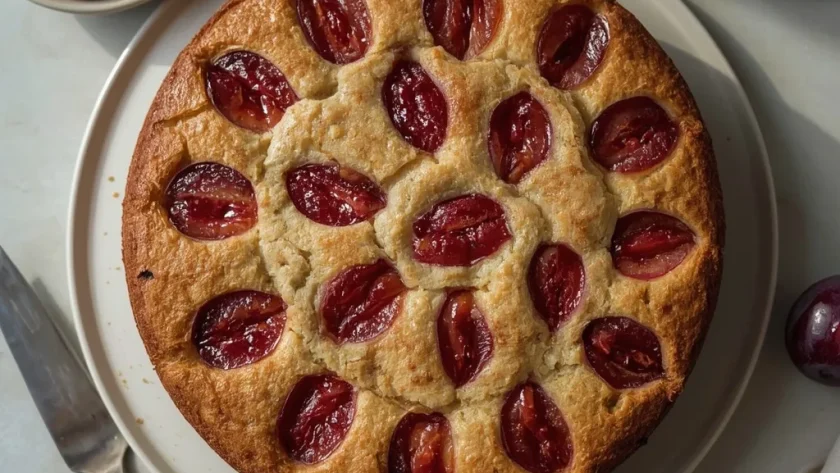
 Nigel Slater Plum Cake is a simple British bake that turns ripe plums into jammy pockets atop a tender, buttery sponge. It is the kind of cake you want with a cup of tea on a late summer afternoon.
Total time is under an hour — 15 minutes prep and 38 minutes in the oven. This recipe is beginner-friendly; the only tricky part is not overmixing the batter.
What Is Nigel Slater Plum Cake?
This is a small, shallow cake made from a basic butter sponge with just flour, sugar, butter, egg, and a touch of vanilla. Plum halves are nestled, cut‑side up, into the thick batter before baking. The recipe comes from Nigel Slater’s collection of simple, fruit‑focused British desserts.
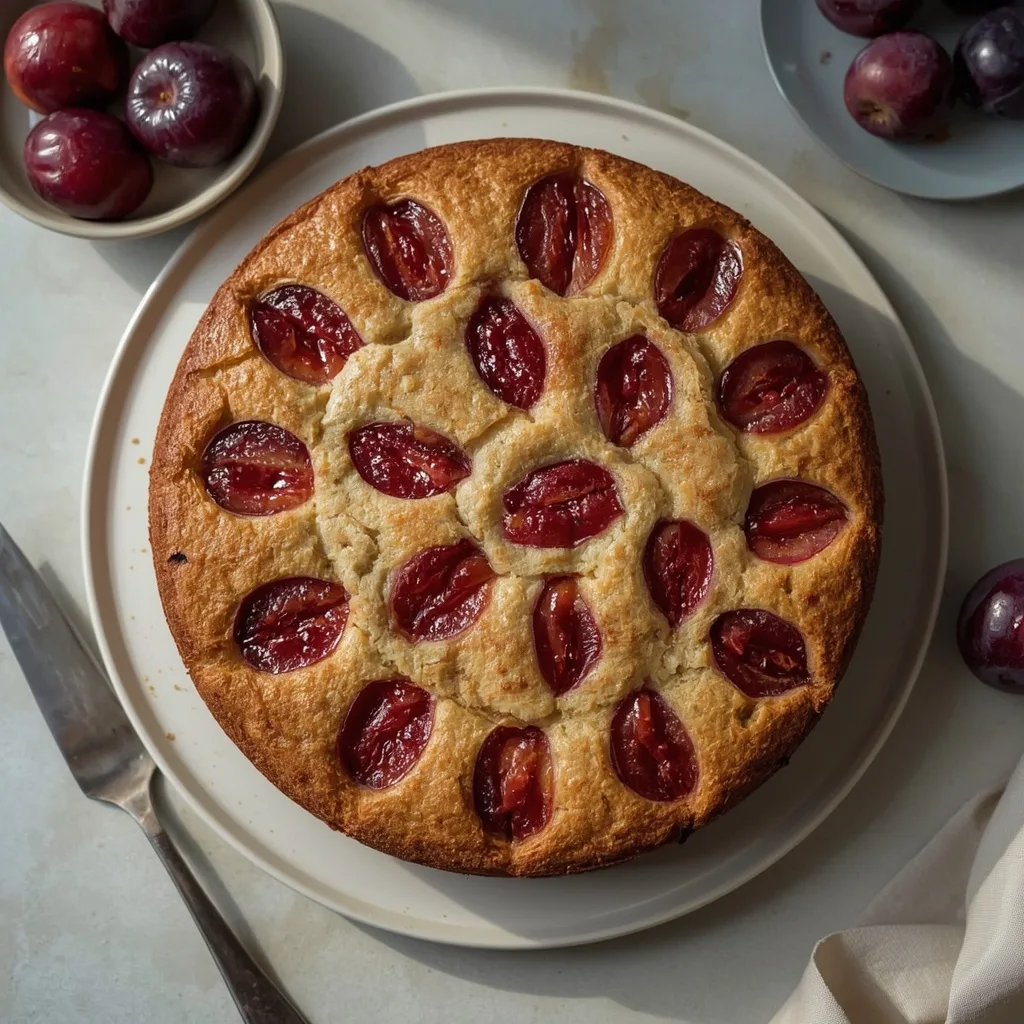
The plums soften into jammy, tart pockets as they bake, while the crumb stays light and buttery. It is perfect for afternoon tea or as a rustic weekend dessert, especially in late summer when plums are at their peak.

Gather These Fresh Ingredients for Nigel Slater’s Plum Cake
You only need nine simple ingredients — most are pantry staples. Here is what to pick up.
The Batter Base
- 1/2 cup (100g) granulated sugar — this provides sweetness and helps create a tender crumb. Regular white sugar works best.
- 1/4 cup (4 tbsp, 56g) unsalted butter, softened — butter gives rich flavour and a soft texture. Make sure it is at room temperature to cream properly.
- 1 large egg, at room temperature — a room‑temperature egg blends into the butter‑sugar mixture without curdling.
- 1/2 teaspoon vanilla extract — a hint of vanilla rounds out the flavour. Pure extract is best.
- 1/2 cup (64g) all‑purpose flour — plain flour provides structure. No need for self‑raising here; we add baking powder separately.
- 1/2 teaspoon baking powder — this leavens the cake for a light rise. Make sure it is not expired.
- 1/8 teaspoon fine sea salt — a pinch of salt balances the sweetness and enhances the flavours.
The Fruit & Finish
- 4 small ripe plums (about 4 oz each), halved and pitted — choose plums that are ripe but still firm enough to hold their shape. Victoria plums work well, or any red‑skinned variety.
- 1 teaspoon granulated sugar, for sprinkling (optional) — a light dusting on the plums creates a sparkly, slightly caramelised top. You can skip it if you prefer a matte finish.
Detailed Step‑by‑Step Instructions to Make Nigel Slater’s Plum Cake
The process is straightforward — here is how I walk through it.
- Preheat and prepare the pan — Set your oven to 350°F (177°C). Grease a 6‑inch round cake pan with butter or nonstick spray, then line the bottom with a parchment circle. This ensures the cake releases cleanly after baking.
- Whisk the dry ingredients — In a small bowl, whisk together the flour, baking powder, and salt. Sifting is not needed; whisking aerates and distributes the leavener evenly.
- Cream the butter and sugar — In a medium bowl, place the softened butter and 1/2 cup sugar. Use a hand mixer or a wooden spoon to cream until pale, light, and fluffy — about 3 to 4 minutes with a mixer. This step incorporates air for a tender crumb.
- Add the egg and vanilla — Beat in the room‑temperature egg and vanilla until fully combined and smooth. Scrape down the bowl once. The batter may look slightly separated; that is fine.
- Fold in the flour — Add the flour mixture all at once. Fold gently with a spatula just until no streaks remain. Do not overmix, or the cake will become tough. The batter will be thick.
- Transfer to the pan — Spread the batter evenly in the prepared pan. The layer will be shallow — about 1/2 inch thick.
- Arrange the plums — Place the 4 plum halves cut‑side up on the batter, spacing them like the spokes of a wheel. Press them down very lightly so they settle in. During baking, the plums will sink slightly and create juicy pockets.
- Sprinkle with sugar (optional) — If desired, sprinkle 1 teaspoon of sugar over the plums for a sparkly, crisp‑edged top. This also enhances caramelisation.
- Bake the cake — Bake for 35 to 40 minutes, until the edges are golden brown and a toothpick inserted into the centre (avoiding a plum) comes out clean or with a few moist crumbs. Some plum juice may pool on top — that is normal.
- Cool and unmould — Let the cake cool in the pan on a wire rack for 10 minutes. Run a thin knife around the edge, invert onto the rack, peel off the parchment, and flip right‑side up again to cool completely. Serve warm or at room temperature.
Common Mistakes and How I Fixed Them
Here is what tripped me up the first few times — learn from my slip‑ups.
- Overmixing the batter — Stirring too much after adding flour develops gluten, making the cake dense. Fold only until no streaks remain.
- Soft butter was not actually soft — Cold butter does not cream properly. Let it sit at room temperature for 30 to 45 minutes before starting.
- Plums that were too large — Oversized plums release excess juice that can make the batter soggy. Stick to small plums, about 4 oz each.
- Skipping the parchment paper — The cake is delicate straight from the oven. Parchment guarantees it releases without sticking or tearing.
- Testing a toothpick in a plum — A toothpick inserted into a plum will come out wet even if the cake is done. Always test in the centre, away from any fruit.
- Cooling too long in the pan — The cake can steam and become sticky if left in the pan longer than 10 minutes. Unmould it promptly.
What Pairs Perfectly with This Plum Cake
This simple cake welcomes a little something extra. Here are my favourite ways to serve it.
- Clotted cream — The thick, buttery cream contrasts beautifully with the tart plums. A generous dollop on the side is all you need.
- Vanilla custard — Pour warm custard over the cake for a comforting British pudding. It turns teatime into a proper dessert.
- Whipped cream — Lightly sweetened whipped cream adds airy richness without weighing down the sponge. A spoonful of cream balances the fruit’s acidity.
- A scoop of vanilla ice cream — The cold, creamy ice cream melts into the jammy plum pockets. Perfect for a warm‑weather treat.
- Crème fraîche — Its tangy, thick texture cuts through the sweetness. A spoonful of crème fraîche alongside the cake is a classic French touch.
- Fresh mint tea — A hot, aromatic cup of mint tea complements the fruity cake without overpowering it. A great non‑caffeinated option.
Pro Tips for the Best Results
These small tricks make a real difference — try them on your first bake.
- Room‑temperature ingredients — Let the butter, egg, and any dairy sit out for 30 minutes. Cold ingredients do not combine smoothly, leading to a dense cake.
- Weigh your flour if possible — Scooping flour directly from the bag can add too much. Use the spoon‑and‑level method if you don’t have a scale: spoon flour into the cup, then level with a knife.
- Choose ripe but firm plums — Overripe plums break down too much and flood the batter. Firm‑ripe plums hold their shape and create neat jammy pockets.
- Press the plums in very lightly — Pushing too hard forces them deep into the batter. A gentle press is enough to anchor them as the cake rises.
- Bake on the middle rack — The middle rack ensures even heat distribution. Too low, and the bottom may burn before the centre sets.
- Let the cake cool in the pan for exactly 10 minutes — This sets the structure without letting it steam. After 10 minutes, unmould right away.
- Use a sharp knife for serving — A serrated knife slices through the plums cleanly without squishing the fruit. Wipe the blade between cuts for tidy slices.
Inspiring Variations of This Plum Cake
Once you have mastered the original, experiment with these easy swaps.
- Nectarine or peach version — Replace the plums with 4 small nectarines or peaches, halved and pitted. Stone fruits behave similarly, giving a sweeter, less tart result.
- Spiced crumb — Add 1/4 teaspoon each of ground cinnamon and nutmeg to the flour mixture. The warm spices enhance the fruit and give an autumnal feel.
- Almond twist — Substitute 2 tablespoons of the flour with 2 tablespoons of almond flour. The nuts add a delicate, nutty note that pairs beautifully with plums.
- Brown sugar swap — Replace the granulated sugar with 1/2 cup (100g) packed light brown sugar. This gives a deeper, caramel‑like flavour and a slightly moister crumb.
- Lemon zest addition — Stir the zest of 1/2 lemon into the batter with the vanilla. The citrus brightness cuts through the butter and complements the fruit.
- Crumble topping — Mix 2 tablespoons each of flour, brown sugar, and cold butter into a crumble, then sprinkle over the plums before baking. Adds a crunchy contrast to the soft sponge.
How to Store It Properly
Storing the cake correctly keeps it fresh for longer. Here are the best methods.
- Room temperature in an airtight container — This works for up to 2 days. Keep it covered to prevent the sponge from drying out.
- Refrigerator for up to 5 days — Place the cake in a sealed container. Cold storage keeps the fruit stable, but the crumb may firm up slightly. Bring slices to room temperature before serving.
- Freezer for up to 1 month — Wrap the fully cooled cake tightly in plastic wrap, then a layer of foil. Thaw overnight in the refrigerator before serving or reheating.
- Individual slice freezing — Slice the cake before freezing. Wrap each piece in plastic wrap and place it in a freezer bag. This way, you can pull out single servings without defrosting the whole cake.
Smart Reheating Tips for This Plum Cake
Reheating brings back the fresh‑from‑the‑oven texture. Choose the method that suits your schedule.
- Oven method (best for crisp edges) — Warm slices in a 300°F (149°C) oven for 5 to 7 minutes. Place them directly on the rack or on a baking sheet. Watch for over‑browning.
- Microwave method (fastest) — Heat individual slices for 15 seconds on high. Check the centre; if not warm enough, add another 10 seconds. The plums will be piping hot, but the sponge may soften slightly.
- Toaster oven or air fryer — Set to 300°F (149°C) and warm for 4 to 5 minutes. The circulating air keeps the cake moist while crisping the edges.
FAQs
Can I use other fruits for this recipe?
Yes — nectarines, peaches, apricots, or even halved figs work well. Adjust the baking time slightly for larger fruits; check for doneness with a toothpick away from the fruit.
Can I freeze Nigel Slater Plum Cake?
Yes, this cake freezes beautifully. Wrap it tightly in plastic wrap and foil, then freeze for up to 1 month. Thaw in the refrigerator before reheating or serving.
How long does Nigel Slater’s plum cake last in the fridge?
Stored in an airtight container, it stays good for up to 5 days in the refrigerator. The crumb may become a bit firmer, but a quick reheat restores the soft texture.
Why did my plums sink to the bottom?
The plums will naturally sink slightly during baking. If they drop all the way, the batter was too thin — you may have overmixed or used butter that was too soft. Pressing them too firmly also causes sinking.
Do I need to peel the plums?
No, the skins soften during baking and become tender. Leaving them on adds colour and a slight tartness. If you prefer a smoother texture, you can peel them, but it is not necessary.
Can I double the recipe?
Yes, double all ingredients and bake in an 8‑inch round pan or a 9‑inch square pan. Increase the baking time by 5 to 10 minutes, checking with a toothpick until it comes out clean.
Nutritional Value
Based on 1 serving = 1 slice out of 4 total.
- Calories: 304
- Protein: 3g
- Fat: 13g
- Carbohydrates: 44g
- Fiber: 1g
- Sugar: 30g
- Sodium: 116mg
Try These Recipes
- Nigel Slater Bread and Butter Pudding
- Jamie Oliver Sausage Rolls 30 Minute Meals
- Jamie Oliver 5 Ingredient Poached Pears
- Mary Berry Fairy Cakes with Butter Icing
- Mary Berry Poached Pears
Wrapping Up
This Nigel Slater Plum Cake is exactly the kind of bake I turn to again and again. It comes together quickly, uses minimal dishes, and lets the fruit shine. I hope you give it a try with the season’s best plums and enjoy every jammy, buttery bite.
PrintNigel Slater Plum Cake
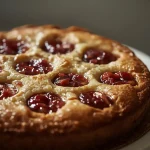
A tender, buttery cake studded with ripe plum halves that soften into jammy pockets as they bake. This simple British dessert is perfect for late summer when plums are at their peak, with a delicate crumb and a touch of sweetness that highlights the fruit’s natural tartness.
- Prep Time: 15
- Cook Time: 38
- Total Time: 53
- Yield: 4 1x
- Category: Dessert
- Method: Baking
- Cuisine: British
Ingredients
- 1/2 cup (100g) granulated sugar
- 1/4 cup (4 tbsp, 56g) unsalted butter, softened
- 1 large egg, at room temperature
- 1/2 teaspoon vanilla extract
- 1/2 cup (64g) all-purpose flour
- 1/2 teaspoon baking powder
- 1/8 teaspoon fine sea salt
- 4 small ripe plums (about 4 oz each), halved and pitted
- 1 teaspoon granulated sugar, for sprinkling (optional)
Instructions
- Preheat your oven to 350°F (177°C). Grease a 6-inch round cake pan with butter or nonstick spray, then line the bottom with a circle of parchment paper. This ensures the cake releases cleanly after baking.
- In a small bowl, whisk together the all-purpose flour, baking powder, and fine sea salt. Set aside. Sifting is not necessary; whisking aerates the dry ingredients and distributes the leavener evenly.
- In a medium mixing bowl, place the softened unsalted butter and 1/2 cup granulated sugar. Using a hand mixer or a wooden spoon, cream them together until pale, light, and fluffy—about 3 to 4 minutes if using a mixer. This step incorporates air for a tender crumb.
- Add the room-temperature egg and vanilla extract to the butter-sugar mixture. Beat until fully combined and smooth, scraping down the sides of the bowl once. The batter may look slightly separated; that’s fine.
- Add the flour mixture to the wet ingredients all at once. Fold gently with a spatula just until no streaks of flour remain. Do not overmix, or the cake will become tough. The batter will be thick.
- Transfer the batter to the prepared cake pan and spread it evenly with the spatula. The batter layer will be shallow—about 1/2 inch thick.
- Arrange the 4 plum halves cut-side up on top of the batter, spacing them evenly like the spokes of a wheel. Press them down very lightly so they settle into the batter. As the cake bakes, the plums will sink slightly and create juicy pockets.
- If desired, sprinkle the optional 1 teaspoon of sugar over the plums for a sparkly, crisp-edged top. This also enhances caramelisation.
- Bake for 35 to 40 minutes, until the cake is golden brown around the edges and a toothpick inserted into the center (avoiding a plum) comes out clean or with a few moist crumbs. The plums will release some juice that may pool on top—this is normal.
- Let the cake cool in the pan on a wire rack for 10 minutes. Run a thin knife around the edge, then invert onto the rack, peel off the parchment, and flip right-side up again to cool completely. Serve warm or at room temperature.
Notes
Store leftover plum cake in an airtight container at room temperature for up to 2 days, or refrigerate for up to 5 days. To reheat, warm individual slices in a 300°F (149°C) oven for 5 to 7 minutes, or microwave for 15 seconds. The cake can be frozen, wrapped tightly in plastic wrap and foil, for up to 1 month; thaw at room temperature before serving.
Nutrition
- Calories: 304
- Sugar: 30g
- Sodium: 116mg
- Saturated Fat: 8g
- Carbohydrates: 44g
- Fiber: 1g
- Protein: 3g
- Cholesterol: 77mg
Keywords: plum cake, Nigel Slater, British dessert, summer fruit cake, easy plum cake, butter cake, small batch cake, plum recipe, baked plums, simple dessert