 Ekani Ella
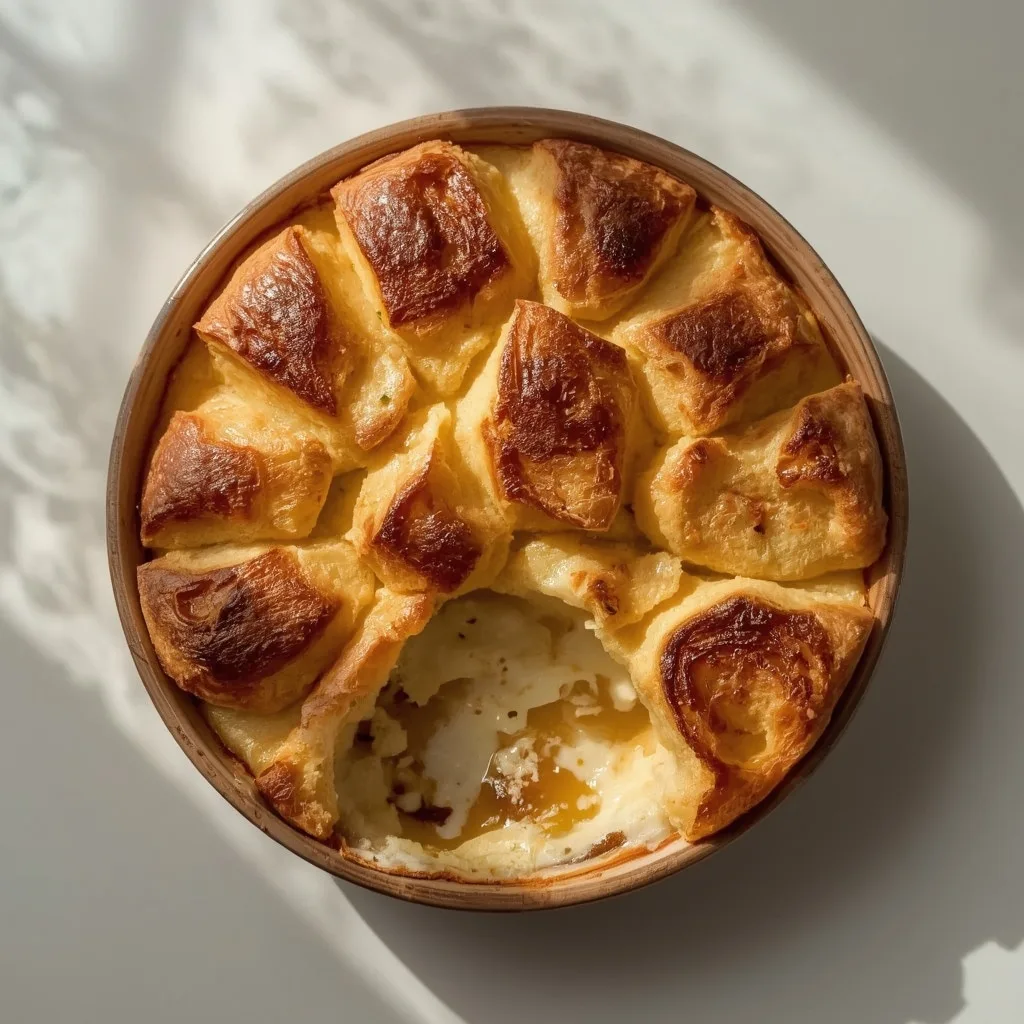
 Nigel Slater’s Bread and Butter Pudding is the kind of dessert that proves simple ingredients can create something truly comforting. Soft slices of buttered bread soak up a rich vanilla custard before baking into a golden pudding with crisp edges and a creamy centre. Every spoonful feels warm, cosy, and deeply satisfying, especially on chilly evenings or after a hearty family meal.
What Is Nigel Slater’s Bread and Butter Pudding?
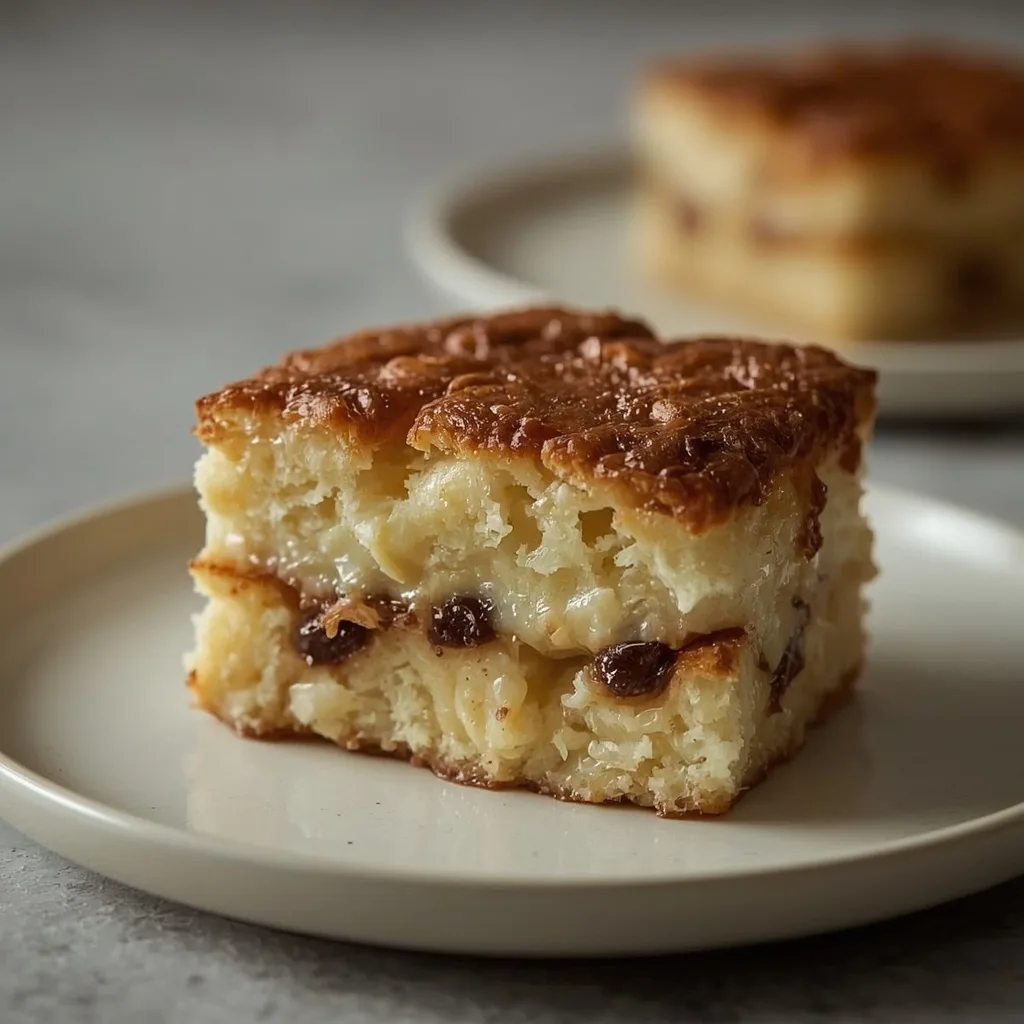
Nigel Slater’s Bread and Butter Pudding turns simple store-cupboard ingredients into something special. Slices of good white bread or brioche soak in a rich custard made with eggs, whole milk, and double cream. Raisins add little bursts of sweetness throughout, while nutmeg brings warmth to every bite.
The texture is what makes this dish stand out. The top bakes to a crisp, caramelized golden crust. Underneath, the bread softens into a creamy, silky interior that almost melts on your tongue. This is proper comfort food for cold days, Sunday lunches, or any time you want a taste of classic British baking.
Gather These Fresh Ingredients for Nigel Slater Bread and Butter Pudding
Here is what you need to make four generous servings. Each ingredient plays a specific role in the final texture and flavour.
The Bread and Butter Base
- 8 slices good-quality white bread or brioche — about 8 oz total, crusts removed, each slice roughly ½-inch thick. Slightly stale bread works even better here. It soaks up the custard without turning to mush.
- 4 tablespoons unsalted butter, softened — you need 2 oz or 56 g. Spread it generously on each slice. This adds richness and helps the top brown nicely.
The Fruit
- ½ cup raisins or sultanas — that is about 2.5 oz or 70 g. Sultanas are sweeter and plumper, but standard raisins work perfectly too. Scatter them between the bread layers for even distribution.
The Custard
- 4 large eggs — these give the custard structure and a silky set. Use room-temperature eggs if you can. Cold eggs can make the mixture take longer to come together.
- 2 cups whole milk — 480 ml of full-fat milk gives the creamiest result. Lower-fat milks will produce a thinner, less luxurious custard.
- 1 cup heavy cream (double cream) — 240 ml of cream is what makes this pudding truly decadent. Do not skip it. Half-and-half will not give the same richness.
- ½ cup granulated sugar, plus 1 tablespoon for sprinkling — 3.5 oz or 100 g goes into the custard. The extra tablespoon on top creates that signature crackly crust.
- 1 teaspoon vanilla extract — use real extract, not imitation. It rounds out the eggy flavour beautifully.
The Spice and Seasoning
- ½ teaspoon freshly grated nutmeg — pre-ground nutmeg works in a pinch, but freshly grated has a more aromatic, complex flavour that makes a noticeable difference.
- ¼ teaspoon kosher salt — just enough to balance the sweetness and deepen the overall taste. You will not taste it directly.
Detailed Step-by-Step Instructions to Make Nigel Slater Bread and Butter Pudding
The process is straightforward, but a few moments matter more than others. Here is how I walk through it every time.
- Preheat and prepare the dish — Set your oven to 350°F (177°C). Butter the bottom and sides of a 2-quart baking dish (8×8-inch or similar). Use some of the softened butter for this step.
- Butter and cut the bread — Spread the remaining softened butter over one side of each bread slice. Cut each slice into four triangles, or two rectangles if you prefer neater portions. Arrange half the pieces in the dish, buttered side up, overlapping them slightly.
- Layer the raisins and remaining bread — Scatter the raisins evenly over the first bread layer. Top with the rest of the buttered bread pieces, again buttered side up, in a single overlapping layer. Press down gently to compact everything.
- Make the custard — In a medium bowl, whisk together the eggs, whole milk, heavy cream, ½ cup sugar, vanilla extract, freshly grated nutmeg, and kosher salt. Whisk until the sugar dissolves and the mixture looks smooth and uniform.
- Soak the bread — Pour the custard slowly and evenly over the layered bread. Use a spatula to press the bread down gently so every piece is submerged. Let the pudding sit at room temperature for 15 minutes. This rest is crucial — it ensures a soft, custardy interior rather than dry patches.
- Sprinkle the top — After soaking, scatter the remaining 1 tablespoon of granulated sugar over the top. This creates a delicate caramelized crust during baking. Add a pinch more nutmeg if you want extra warmth.
- Bake — Place the dish on a baking sheet to catch drips. Bake on the center rack for 40 to 45 minutes. The custard should be set but still slightly wobbly in the centre when you gently shake the dish. The top should be golden brown and puffed.
- Rest before serving — Remove from the oven and let the pudding rest on a wire rack for 10 minutes. This allows the custard to finish setting. It also makes serving much easier — the slices hold their shape without releasing excess liquid.
- Serve warm — Spoon or slice into portions. For extra indulgence, add a dollop of clotted cream, a drizzle of crème anglaise, or a scoop of vanilla ice cream.
Common Mistakes and How I Fixed Them
Here is what tripped me up the first few times I made this pudding.
- Skipping the soaking time — The bread needs those 15 minutes to absorb the custard properly. Rushing this step leaves dry patches in the finished pudding. Set a timer and walk away.
- Using bread that is too fresh — Very soft, fresh bread can turn to mush during baking. Slightly stale bread or brioche holds its shape better. If your bread is fresh, leave the slices out on the counter for an hour before starting.
- Overbaking the custard — A wobbly centre when you take it out is exactly right. The carryover heat finishes the set as it rests. Overbaking leads to a rubbery, curdled texture that ruins the silkiness.
- Not pressing the bread down — When you pour the custard, some bread pieces will float above the liquid. Press them down firmly with a spatula. Every piece needs to be submerged for even soaking.
- Skipping the salt — A tiny amount of salt does not make the pudding savoury. It lifts the sweetness and makes the vanilla and nutmeg taste more vibrant. Do not leave it out.
- Cutting the butter coating — Spreading butter on every slice adds richness and helps the top brown. Skipping it on a few slices leads to pale, less flavourful spots on the surface.
What Pairs Perfectly with Nigel Slater Bread and Butter Pudding
A few simple accompaniments turn this pudding into a proper dessert. Here is what works best.
- Clotted cream — The thick, buttery cream contrasts beautifully with the soft custard and crisp top. A spoonful on the side is the classic British finishing touch.
- Vanilla ice cream — Cold and creamy against the warm pudding. The temperature contrast makes every bite more interesting. Choose a good-quality vanilla for the cleanest flavour.
- Crème anglaise — A light pour of this vanilla custard sauce adds extra richness without overwhelming the pudding. It is elegant enough for a dinner party.
- Fresh berries — A handful of raspberries or sliced strawberries on the side cuts through the richness with acidity. The bright colour looks lovely on the plate too.
- Whipped cream with a splash of brandy — Lightly sweetened whipped cream with a teaspoon of brandy or whisky stirred through adds a grown-up edge. It works especially well in winter.
- A dusting of icing sugar — Sometimes the simplest finish is the best. A fine dusting of icing sugar right before serving makes the golden crust look even more appealing.
Pro Tips for Making Nigel Slater Bread and Butter Pudding
These small adjustments make a noticeable difference in the final result.
- Warm the milk and cream slightly — Heating the milk and cream to just lukewarm (not hot) helps the custard come together faster. Cold liquid takes longer to soak into the bread and can lead to uneven texture.
- Grate the nutmeg fresh — Whole nutmeg keeps for months and grates in seconds. The flavour is noticeably more aromatic and complex than pre-ground. A fine Microplane works perfectly here.
- Use day-old brioche for extra richness — Brioche has more butter and eggs than standard white bread. It makes the pudding richer and more tender. Challah works well too.
- Let the custard strain through a sieve — If you want the silkiest possible texture, pour the whisked custard through a fine-mesh sieve before adding it to the bread. This catches any bits of unmixed egg white.
- Press the bread down halfway through soaking — After about 8 minutes of the soaking time, press the top layer down again. This ensures the top pieces get enough custard exposure before baking.
- Place the dish on a baking sheet — The pudding often bubbles over slightly during baking. A baking sheet catches the drips and saves you from scrubbing the bottom of your oven.
- Broil the top for extra crunch — If the top is not as crisp as you would like after baking, place the dish under the broiler for 1 to 2 minutes. Watch it constantly — sugar burns fast under direct heat.
Inspiring Variations of Nigel Slater Bread and Butter Pudding
Once you have made the classic version, these twists keep things interesting.
- Chocolate and orange — Swap the raisins for ½ cup dark chocolate chips and add the zest of one orange to the custard. The combination of chocolate and orange is a classic for good reason.
- Apple and cinnamon — Replace the raisins with 1 cup diced peeled apple (about one medium apple). Add ½ teaspoon ground cinnamon to the custard along with the nutmeg. The apple softens into sweet little pockets.
- Lemon and blueberry — Use ½ cup fresh or frozen blueberries instead of raisins. Add the zest of one lemon to the custard. The bright citrus cuts through the richness beautifully.
- Cardamom and pistachio — Replace the nutmeg with ½ teaspoon ground cardamom. Swap the raisins for ½ cup chopped pistachios. This version has a more aromatic, Middle Eastern feel.
- Boozy raisin — Soak the raisins in 3 tablespoons of dark rum, brandy, or whisky for 30 minutes before layering. Drain them well before adding to the bread. The alcohol cooks off during baking, leaving a warm depth of flavour.
- Savoury-sweet with bacon — Cook 4 rashers of bacon until crisp, then crumble them over the bread layers along with the raisins. The salty, smoky bacon contrasts with the sweet custard in a surprising but delicious way.
How to Store Nigel Slater Bread and Butter Pudding Properly
Leftovers keep well if you store them correctly. Here is how to handle them.
- Refrigerate in an airtight container — Transfer leftover pudding to a container with a tight lid, or cover the baking dish tightly with foil or clingfilm. It stays fresh for up to 3 days in the fridge.
- Cool completely before storing — Warm pudding creates condensation inside the container, which makes the top soggy. Let it cool to room temperature first, then cover and refrigerate.
- Separate portions for easy reheating — Cut the leftover pudding into individual portions before storing. This makes reheating quicker and more even. Single portions also freeze better than a large block.
- Freeze for longer storage — Wrap individual portions tightly in clingfilm, then place them in a freezer bag. They keep for up to 2 months. Thaw overnight in the fridge before reheating.
- Avoid leaving it at room temperature — The custard contains eggs and dairy, so it should not sit out for more than 2 hours. Refrigerate leftovers promptly after serving.
Smart Reheating Tips for Nigel Slater Bread and Butter Pudding
Reheating without drying out the custard takes a little care. These methods work well.
- Oven reheating (best texture) — Place individual portions in a 300°F (150°C) oven for 10 to 12 minutes. The gentle heat warms the custard through without toughening it. The top crisps up again nicely this way.
- Microwave reheating (fastest) — Use medium power in 30-second bursts until warmed through. Check after 60 seconds total. The microwave can make the top soft rather than crisp, but it is fine when you are short on time.
- Air fryer reheating (crisp top) — Place a portion in the air fryer at 300°F (150°C) for 5 to 6 minutes. The circulating air re-crisps the top while keeping the inside soft. Watch it closely to avoid burning the sugar.
- Toaster oven for single portions — A small toaster oven works just like a regular oven for one or two portions. Heat at 300°F (150°C) for about 8 minutes. It uses less energy and heats up faster.
FAQs
Can I freeze Nigel Slater Bread and Butter Pudding?
Yes, it freezes well for up to 2 months. Wrap individual portions tightly in clingfilm and place them in a freezer bag. Thaw overnight in the fridge before reheating in the oven.
How long does Nigel Slater Bread and Butter Pudding last in the fridge?
It stays fresh for up to 3 days when stored in an airtight container. Let it cool completely before refrigerating to prevent condensation from softening the top.
Can I make this pudding ahead of time?
Yes. Assemble the pudding up to 12 hours ahead and keep it covered in the fridge. Add 5 to 10 minutes to the baking time if starting from cold. This makes it perfect for entertaining.
What is the best bread to use?
Good-quality white bread or brioche both work well. Slightly stale bread gives the best texture because it soaks up the custard without falling apart. Avoid very soft, flimsy sandwich bread.
Can I use dried fruit other than raisins?
Absolutely. Sultanas, currants, chopped dried apricots, or dried cherries all work. Soak them in warm water or a splash of brandy for 10 minutes if they seem dry.
Why did my pudding turn out watery?
Most likely, the bread did not soak long enough before baking, or the custard was not fully set when you took it out. Let the bread rest for the full 15 minutes and bake until the centre is just slightly wobbly.
Nutritional Value
Based on 1 serving out of 4 total.
- Calories: 755
- Protein: 16g
- Fat: 45g
- Carbohydrates: 75g
- Fiber: 0g
- Sugar: 46g
- Sodium: 275mg
Try These Recipes
- Jamie Oliver Sausage Rolls 30 Minute Meals
- Jamie Oliver 5 Ingredient Poached Pears
- Mary Berry Fairy Cakes with Butter Icing
- Mary Berry Poached Pears
- Nigella Oat Biscuits
Wrapping Up
Nigel Slater’s Bread and Butter Pudding is one of those recipes that feels both simple and special at the same time. A few basic ingredients, a little patience with the soaking, and you get a dessert that looks impressive and tastes even better. I hope you give it a try soon.
PrintNigel Slater Bread and Butter Pudding
A classic British dessert that transforms simple bread, butter, and raisins into a luxuriously creamy, golden-crusted pudding. The custard-soaked bread puffs up in the oven, yielding a soft, silky interior with a crisp, caramelized top.
- Prep Time: 20
- Cook Time: 45
- Total Time: 65
- Yield: 4 1x
- Category: Dessert
- Method: Baking
- Cuisine: British
Ingredients
- 8 slices (about 8 oz / 225 g) good-quality white bread or brioche, crusts removed, each slice about 1/2-inch thick
- 4 tablespoons (2 oz / 56 g) unsalted butter, softened
- 1/2 cup (2.5 oz / 70 g) raisins or sultanas
- 4 large eggs
- 2 cups (480 ml) whole milk
- 1 cup (240 ml) heavy cream (double cream)
- 1/2 cup (3.5 oz / 100 g) granulated sugar, plus 1 tablespoon for sprinkling
- 1 teaspoon vanilla extract
- 1/2 teaspoon freshly grated nutmeg
- 1/4 teaspoon kosher salt
Instructions
- Preheat your oven to 350°F (177°C). Butter the bottom and sides of a 2-quart (8×8-inch or similar) baking dish generously with some of the softened butter.
- Spread the remaining softened butter evenly over one side of each bread slice. Cut each slice into four triangles (or two rectangles, if preferred). Arrange half of the buttered bread pieces, buttered side up, in the prepared dish, overlapping slightly.
- Scatter the raisins evenly over the first layer of bread. Top with the remaining bread pieces, again buttered side up, arranging them in a single, slightly overlapping layer. Press down gently to compact the layers.
- In a medium bowl, whisk together the eggs, whole milk, heavy cream, the 1/2 cup granulated sugar, vanilla extract, freshly grated nutmeg, and kosher salt. Whisk until the sugar is dissolved and the mixture is smooth and uniform.
- Pour the custard mixture slowly and evenly over the layered bread. Use a spatula to gently press the bread down to ensure all pieces are submerged in the custard. Let the pudding sit at room temperature for 15 minutes to allow the bread to soak up the liquid — this step is crucial for a soft interior.
- After soaking, sprinkle the remaining 1 tablespoon of granulated sugar over the top of the pudding. This creates a delicate, caramelized crust during baking. Dust with a pinch of additional nutmeg if desired.
- Place the dish on a baking sheet to catch any drips. Bake on the center rack of the preheated oven for 40 to 45 minutes, until the custard is set but still slightly wobbly in the center when gently shaken. The top should be golden brown and puffed.
- Remove from the oven and let the pudding rest on a wire rack for 10 minutes before serving. This allows the custard to finish setting and makes serving easier — the pudding will slice cleanly without excess liquid.
- To serve, spoon or slice into portions. For an extra indulgence, serve warm with a dollop of clotted cream, a drizzle of crème anglaise, or a scoop of vanilla ice cream.
Notes
Store leftovers in the refrigerator, covered, for up to 3 days. To reheat, place individual portions in a 300°F (150°C) oven for 10-12 minutes, or microwave on medium power in 30-second bursts until warmed through. This pudding can be assembled up to 12 hours ahead, refrigerated, then baked just before serving — add 5-10 minutes to the baking time if starting from cold. For a crispier top, place under the broiler for the last 1-2 minutes, watching carefully to prevent burning.
Nutrition
- Calories: 755
- Sugar: 46g
- Sodium: 275mg
- Saturated Fat: 23g
- Carbohydrates: 75g
- Fiber: 0g
- Protein: 16g
- Cholesterol: 232mg
Keywords: bread and butter pudding, Nigel Slater, British dessert, bread pudding, custard dessert, baked pudding, raisin pudding, classic comfort food, holiday dessert, easy pudding, staling bread recipe