
 Ekani Ella
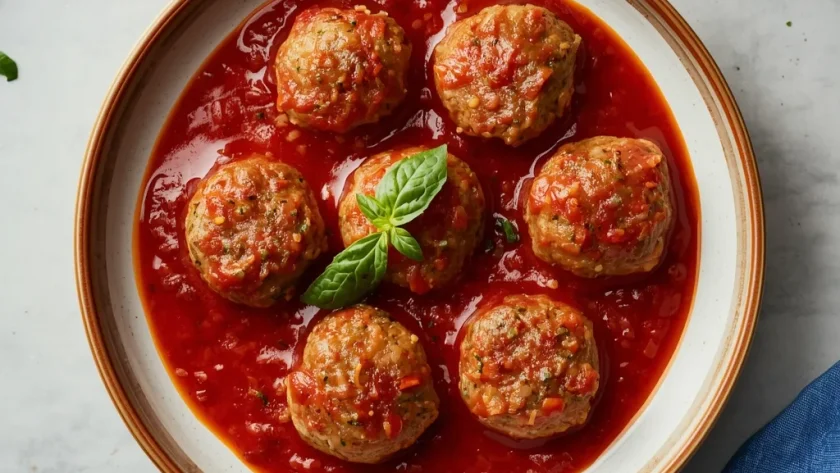
 I’ve been making tomato sauces for years, and a great one feels like a kitchen superpower. This particular recipe for Jamie Oliver’s Tomato Sauce for Meatballs has become a genuine staple in my house. It’s a rich, velvety blend of sweet onions and garlic simmered slowly into a can of tomatoes, creating a deep, savory flavor that clings perfectly to meatballs or pasta.
The best part is its simplicity and speed. You’re looking at about 40 minutes from start to finish, making it a brilliant option for a weeknight. This is a beginner-friendly recipe, but the key is patient simmering—don’t rush it. Letting the sauce bubble away quietly for that full 25-30 minutes is what transforms it from a simple tomato mixture into something truly special.
What is Jamie Oliver’s tomato sauce for Meatballs?
At its heart, this is a classic Italian-style tomato sauce, focused on letting a few good ingredients shine. It leans into the sweetness of slowly cooked onions, balanced with the gentle sharpness of garlic and the bright acidity of tomatoes.
What makes it different from a quick marinara or a jarred arrabiata is its texture and depth. The slow simmering allows the flavors to meld and the sauce to reduce into something wonderfully thick and velvety. It’s a versatile base that feels homemade in the best possible way.
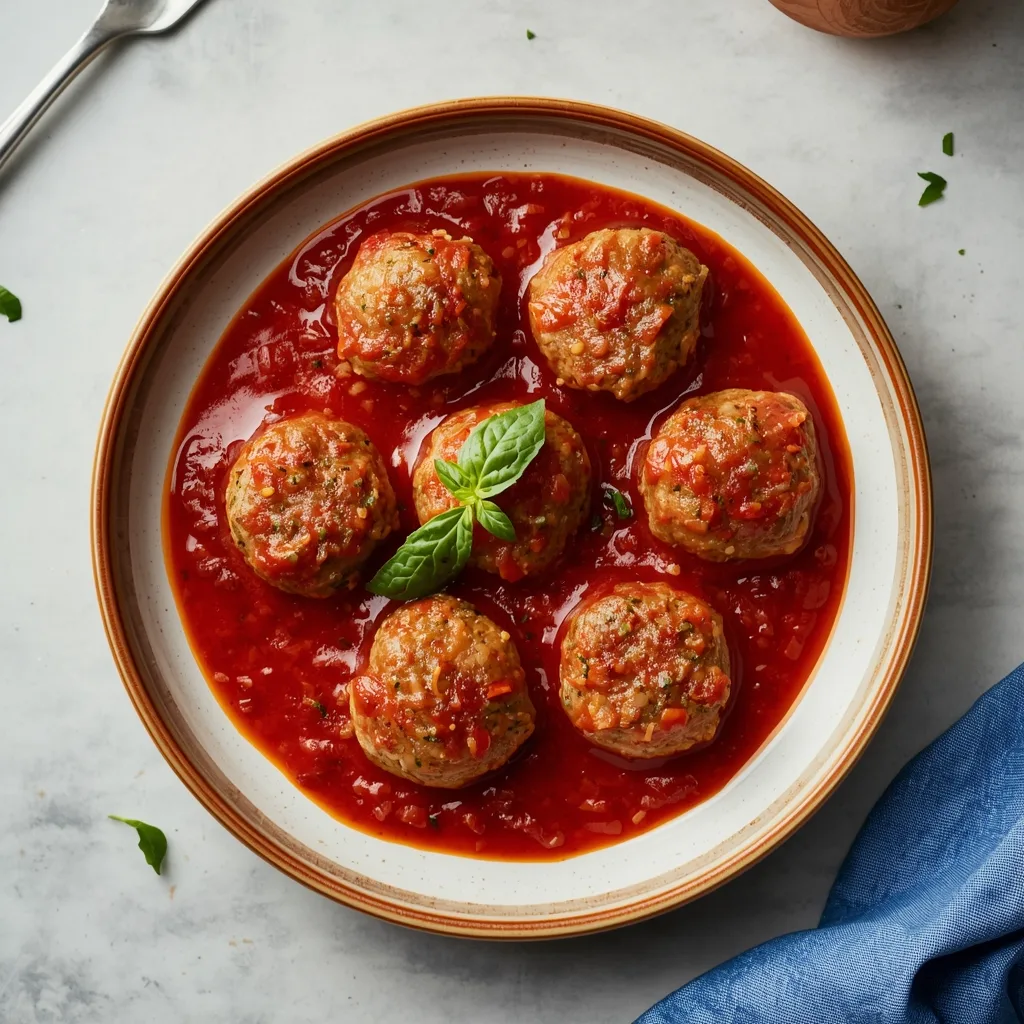
Gather These Fresh Ingredients for Jamie Oliver’s tomato sauce for Meatballs
You only need a handful of simple items to make this flavorful Italian sauce. Here’s what to pull from your pantry.
The Aromatics & Base
- Extra Virgin Olive Oil (2 tbsp) — This is your flavor foundation. A good quality oil adds a fruity, peppery note that you’ll taste in the finished sauce.
- Medium Onion, finely diced (1) — The secret to a sweet, mellow base. Cooking it slowly until translucent is non-negotiable for the best flavor.
- Garlic Cloves, minced (3) — Added after the onion softens to prevent burning. They provide that essential savory backbone.
The Tomatoes & Seasonings
- Canned Whole Peeled Tomatoes (28-oz can) — With their juices. These are typically better quality and less acidic than pre-chopped varieties. You’ll break them up in the pan.
- Dried Oregano (1 tsp) or Fresh Basil — Oregano gives a classic, earthy herb note. If you have fresh basil, add it at the end for a brighter, more fragrant lift.
- Kosher Salt (1 tsp) & Black Pepper (1/4 tsp) — Seasoning layers. Kosher salt dissolves evenly, and freshly ground pepper has more punch than pre-ground.
- Granulated Sugar (1/2 tsp, optional) — A tiny pinch is my go-to trick to round out the acidity of the tomatoes without making the sauce taste sweet.
Detailed Step-by-Step Instructions to Make Jamie Oliver Tomato Sauce for Meatballs
The process is straightforward, but a few mindful moments make all the difference. Here’s how I walk through it.
- Prep Everything First — Dice your onion, mince the garlic, and open the can. This ‘mise en place’ means you won’t be scrambling and risk burning your aromatics.
- Heat the Oil — Use a large, heavy-bottomed saucepan or Dutch oven over medium heat. You want the oil to shimmer, not smoke, before adding the onion.
- Cook the Onion — Add the diced onion and cook for 5-7 minutes. Stir occasionally until it’s soft and translucent. If the edges start to brown, just nudge the heat down a touch.
- Add the Garlic — Stir in the minced garlic for just 1 minute until fragrant. Garlic burns in a flash, so keep it moving.
- Introduce the Tomatoes — Pour in the canned tomatoes with all their juices. Use a wooden spoon or potato masher to crush the whole tomatoes right in the pan.
- Season the Sauce — Add the oregano, salt, pepper, and the optional sugar. Stir everything together well.
- Start the Simmer — Bring the mixture to a gentle bubble over medium heat, then immediately reduce the heat to low.
- Let It Bubble Away — Partially cover the pan, leaving a small gap. Let it simmer quietly for 25-30 minutes, stirring now and then to prevent sticking.
- Taste and Adjust — After simmering, taste it. Does it need more salt? A touch more pepper? If it’s too sharp, another tiny pinch of sugar can help.
- Final Texture Touch — For a smooth sauce, use an immersion blender. For a rustic, chunky one, leave it as is. If using fresh basil, stir it in now.
- Let It Rest — Take the pan off the heat and let the sauce sit for 5 minutes. This helps the flavors settle and the sauce thicken slightly.
- Serve It Up — Spoon it hot over your favorite meatballs or a bowl of pasta. It’s ready to go.
Common Mistakes and How I Fixed Them
I’ve made this recipe dozens of times, and I’ve learned from every slip-up. Here are the pitfalls I encountered so you can avoid them.
- Rushing the Onion — I once cranked the heat to speed things up. The onion browned and gave the whole sauce a faintly bitter edge. Now I keep it medium-low for a sweet, soft result.
- Burnt Garlic — Adding garlic with the onion or leaving it unattended for a minute too long leads to bitterness. Stir it constantly for just that single minute.
- Skipping the Simmer — In a hurry, I cut the simmer short. The sauce tasted thin and one-dimensional. That full 25-30 minutes is essential for depth.
- Over-blending Early — Using a blender before simmering made the texture weird and prone to separating. Now I only blend, if at all, after the simmer when the flavors are set.
- Not Tasting at the End — Seasoning at the start isn’t enough. Tomatoes vary, so always taste and adjust the salt, pepper, or a hint of sugar after cooking.
What Pairs Perfectly with This Rich Tomato Sauce
This sauce is incredibly versatile. While it’s named for meatballs, its uses go far beyond.
- Classic Italian Meatballs — The obvious and perfect pairing. The sauce cloaks beef or pork meatballs beautifully for a comforting main.
- Simple Pasta Dinner — Toss it with spaghetti, rigatoni, or pappardelle for a quick, satisfying vegetarian meal.
- Chicken Parmesan — Use it as the saucy base under a breaded, cheesy chicken cutlet. It’s a game-changer for this classic dish.
- Eggplant or Meatball Subs — Heated sauce with meatballs or roasted eggplant in a toasted roll makes for the best messy sandwich.
- A Dipping Sauce — Served warm in a bowl, it’s fantastic with garlic bread, mozzarella sticks, or even crispy potato wedges.
Pro Tips for Making the Best Version
A few small tweaks can take your sauce from good to restaurant-quality. Here’s what I’ve learned works best.
- Choose Your Tomatoes Wisely — Look for Italian-brand canned tomatoes (like San Marzano) for a naturally sweeter, less acidic base.
- Embrace the Potato Masher — Breaking the tomatoes down in the pan with a masher gives you perfect control over a rustic, chunky texture.
- Fresh Herb Finish — If you have it, stir in a handful of torn fresh basil right at the end. The heat wilts it perfectly, releasing an incredible fragrance.
- Don’t Skimp on the Pan — A heavy-bottomed Dutch oven distributes heat evenly, preventing hot spots that can cause the sauce to catch and burn.
- Let the Steam Escape — Partially covering the pan is key. A fully sealed lid traps too much water, while no lid reduces it too quickly.
- Fat is Flavor — That initial glug of good olive oil isn’t just for cooking; it emulsifies into the sauce, giving it a rich, rounded mouthfeel.
Inspiring Variations Worth Trying
Once you’ve mastered the base recipe, it’s fun to play around. These are my favorite easy twists.
- Spicy Arrabbiata Twist — Add a pinch of red pepper flakes with the garlic for a gentle, warming heat that builds with each bite.
- Creamy Vodka Sauce — Stir in about 1/4 cup of heavy cream and a small splash of vodka at the end of cooking for a luxurious, pink-hued sauce.
- Roasted Garlic Version — Swap the minced garlic for the soft, sweet flesh from a whole head of roasted garlic. The flavor is mellow and deep.
- Wine-Infused Depth — After cooking the onion, add a splash (about 1/4 cup) of red wine. Let it bubble and reduce almost completely before adding the tomatoes.
- Mushroom & Herb — Sauté a cup of sliced mushrooms with the onion. Finish with fresh thyme instead of oregano for an earthy, savory note.
How to Store Your Homemade Sauce Properly
This sauce stores brilliantly, making it a fantastic make-ahead option. Here’s how to keep it fresh.
- Refrigerator Storage — Let the sauce cool completely, then transfer it to an airtight container. It will keep well for up to 5 days.
- Freezing for Later — Portion the cooled sauce into freezer bags or containers. It can be frozen solid for up to 3 months without losing flavor.
- Prevent a Skin — If storing it warm, press a piece of cling film directly onto the surface of the sauce before sealing the container. This stops a skin from forming.
- Label Everything — Always write the date on your container or bag. Even with a 3-month freeze time, it’s best to use it within a few months for peak quality.
Smart Reheating Tips for Leftover Sauce
Gentle reheating is crucial to preserve the sauce’s texture and taste. Avoid the microwave if you can.
- Stovetop Method — Gently warm the sauce in a saucepan over medium-low heat, stirring often. Add a tiny splash of water if it seems too thick.
- Microwave Shortcut — Transfer a portion to a microwave-safe bowl. Heat in 30-second bursts, stirring well between each, until hot.
- Thawing Frozen Sauce — The best method is to move a frozen portion to the fridge the night before you need it. For a quick thaw, place the sealed bag in a bowl of cool water.
FAQs
Can I freeze Jamie Oliver’s Tomato Sauce for Meatballs?
Absolutely, and I do it often. Let it cool completely, then freeze it in usable portions. It’s a fantastic way to have a homemade sauce ready in minutes on a busy night.
How long does this sauce last in the fridge?
Stored properly in a sealed container, it will stay fresh for up to 5 days. Always give it a quick smell check before using leftovers.
Can I use fresh tomatoes instead of canned?
You can, but it changes the recipe. You’ll need about 2 pounds of ripe Roma tomatoes, blanched, peeled, and seeded. The cooking time may also need to be longer to break them down.
Why add sugar to a tomato sauce?
The small amount is optional, but it’s a great trick to balance the natural acidity of the tomatoes. It rounds out the flavor without making the sauce taste sweet.
My sauce is too thin. How can I thicken it?
Just continue simmering it uncovered over low heat. The extra water will evaporate, and the sauce will reduce and thicken naturally. Stir frequently to prevent sticking.
Is Jamie Oliver’s Tomato Sauce for Meatballs gluten-free?
Yes, this recipe is naturally gluten-free. Always check your specific brand of canned tomatoes and dried herbs to be 100% certain, but the core ingredients contain no gluten.
Nutritional Value
Based on 1 serving, which is roughly a quarter of the total recipe yield.
- Calories: 110
- Protein: around 2.2g
- Fat: 7.2g
- Carbohydrates: roughly 11.4g
- Fiber: 2.9g
- Sugar: about 6.3g
- Sodium: 481mg
Try These Recipes
- Hairy Bikers Pineapple Upside-Down Cake
- Hairy Bikers Black Forest Cake
- Hairy Bikers Singapore Noodles
- Hairy Bikers Treacle Tart
Wrapping Up
This recipe proves that you don’t need a long list of ingredients or hours of work to create something truly delicious. The magic is in the slow simmer and the quality of your base components.
Once you have a batch of this Jamie Oliver Tomato Sauce for Meatballs in your fridge or freezer, you have the foundation for countless easy, satisfying meals. I hope it becomes a trusted favorite in your kitchen, too.
PrintJamie Oliver Tomato Sauce for Meatballs

This rich and velvety tomato sauce is simmered with sweet onions and garlic for a deep, savory flavor. Perfect for coating meatballs or pasta, it has a balanced acidity and a hint of herbs, making it a versatile staple in any kitchen.
- Prep Time: 10
- Cook Time: 30
- Total Time: 40
- Yield: 4 1x
- Category: Sauce
- Method: Stovetop
- Cuisine: Italian
Ingredients
- 2 tbsp extra virgin olive oil
- 1 medium onion, finely diced (about 1 cup)
- 3 cloves garlic, minced
- 1 (28-oz) can whole peeled tomatoes, with juices
- 1 tsp dried oregano (or a handful of fresh basil leaves, torn)
- 1 tsp kosher salt
- 1/4 tsp black pepper, freshly ground
- 1/2 tsp granulated sugar (optional, to balance acidity)
Instructions
- Prepare all ingredients: finely dice the onion, mince the garlic, and have the canned tomatoes ready. This mise en place ensures you can cook smoothly without pausing to chop, which helps maintain even cooking and prevents burning.
- Heat the olive oil in a large saucepan or Dutch oven over medium heat. Wait for the oil to shimmer, which indicates it’s hot enough to sauté the aromatics without smoking. Using a heavy-bottomed pan ensures even heat distribution.
- Add the diced onion to the hot oil. Cook, stirring occasionally, for 5 to 7 minutes until the onion is soft and translucent. Avoid browning by adjusting the heat to medium-low if the edges start to turn golden; this keeps the flavor sweet rather than bitter.
- Stir in the minced garlic and cook for 1 minute until fragrant. Garlic burns quickly, so keep the heat moderate and stir constantly to release its aroma without scorching, which can introduce bitterness.
- Pour in the canned tomatoes with their juices. Use a wooden spoon or potato masher to break the whole tomatoes into smaller pieces. This creates a chunky texture; for a smoother sauce, you can blend it later, but breaking it down now helps integrate flavors.
- Add the dried oregano (or fresh basil if using later), kosher salt, black pepper, and optional sugar. The sugar balances the acidity of the tomatoes, enhancing their natural sweetness without making the sauce taste sugary.
- Bring the sauce to a gentle simmer over medium heat. Once bubbles form around the edges, reduce the heat to low to maintain a steady, low simmer. A vigorous boil can cause the sauce to splatter and reduce too quickly.
- Partially cover the pan with a lid, leaving a small gap for steam to escape. Simmer for 25 to 30 minutes, stirring occasionally to prevent sticking on the bottom. The sauce will thicken and the flavors will deepen as it cooks.
- After simmering, taste the sauce and adjust seasoning. Add more salt or pepper if needed. If it tastes too acidic, stir in an additional pinch of sugar to balance it out.
- For a smoother consistency, use an immersion blender to puree the sauce to your desired texture while it’s still in the pan. Alternatively, leave it chunky for a rustic feel. If using fresh basil, stir in torn leaves at this point to preserve their bright flavor.
- Remove the sauce from heat and let it rest for 5 minutes before serving. This allows the flavors to meld and the sauce to thicken slightly as it cools. Stir occasionally to prevent a skin from forming on top.
- Serve the tomato sauce hot over cooked meatballs or pasta. Store any leftovers in an airtight container in the refrigerator for up to 5 days, or freeze for longer storage as noted below.
Notes
Store leftover sauce in an airtight container in the refrigerator for up to 5 days. For longer storage, freeze in portions for up to 3 months. Reheat gently on the stovetop over medium-low heat, stirring occasionally, until warmed through. If frozen, thaw in the refrigerator overnight before reheating.
Nutrition
- Calories: 110
- Sugar: 6.3g
- Sodium: 481mg
- Saturated Fat: 1g
- Carbohydrates: 11.4g
- Fiber: 2.9g
- Protein: 2.2g
- Cholesterol: 0mg
Keywords: jamie oliver tomato sauce, tomato sauce for meatballs, homemade tomato sauce, Italian tomato sauce, easy tomato recipe, stovetop sauce, weeknight dinner, pasta sauce, simmered tomatoes, simple sauce recipe