 Ekani Ella
 If you’re looking for a cream cheese frosting that’s tangy, not tooth-achingly sweet, and holds its shape beautifully, you’ve found it. This Nigella Cream Cheese Frosting is my go-to for everything from carrot cakes to morning cinnamon buns. It comes together in 15 minutes and is beginner-friendly, as long as you pay attention to a couple of key details.
The secret is all in the temperatures and the mixing. Get those right, and you’ll have a luxuriously smooth, stable frosting every single time.
What Is Nigella Cream Cheese Frosting?
At its heart, this is a classic American-style frosting, but refined for balance and stability. What sets it apart is its perfect harmony of sweet and sharp flavours, achieved with precise ingredients and technique.
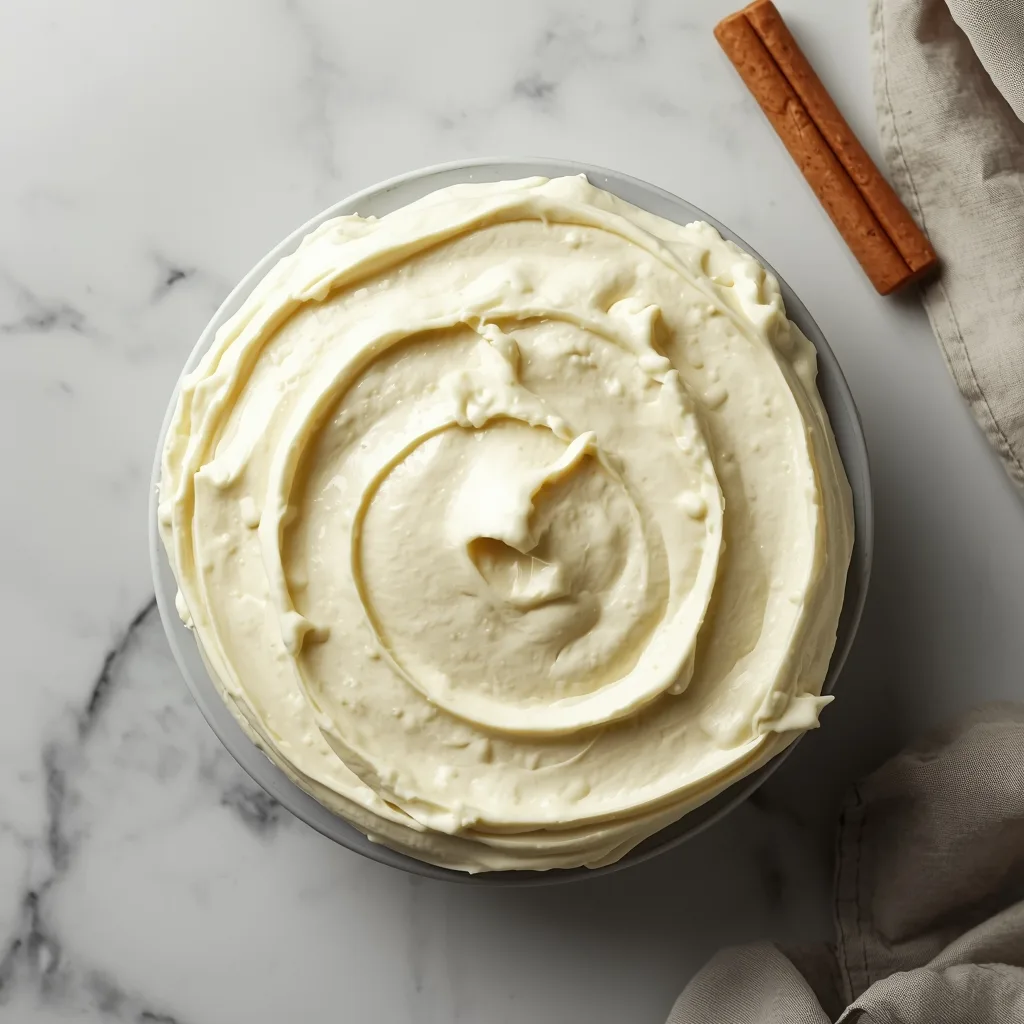
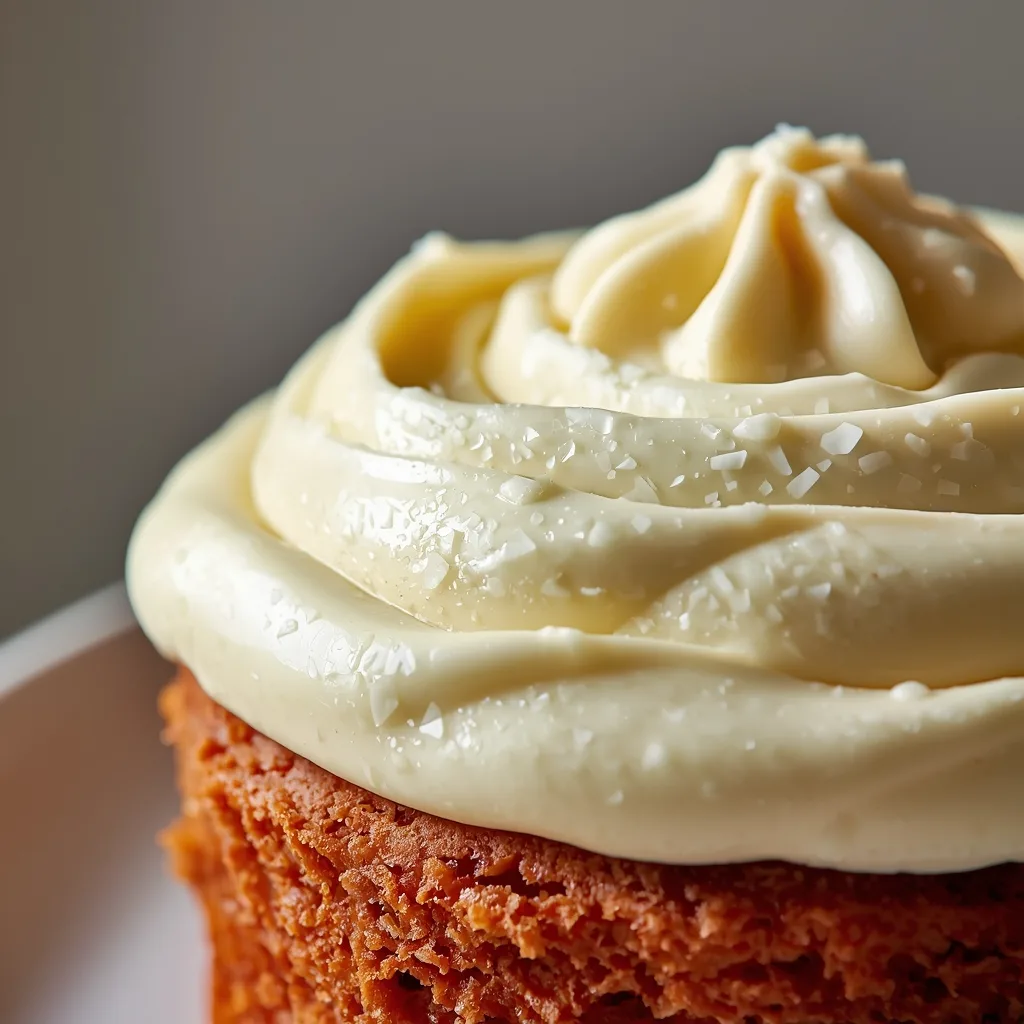
It’s designed to be spreadable yet firm, making it ideal for layer cakes and even intricate piping on a red velvet cake. The texture is creamy and lush without being greasy, which can happen with lesser recipes.
Gather These Fresh Ingredients for Nigella Cream Cheese Frosting
Every ingredient here has a specific job. Using the exact types listed makes all the difference between a good frosting and a great one.
The Fats: The Foundation
- 8 oz (226 g) full-fat Philadelphia-style cream cheese, cold — This provides the signature tang and body. Use it straight from the fridge; cold cream cheese is less likely to over-soften and make your frosting runny.
- 1/2 cup (113 g) unsalted European-style butter (82-84% fat), at cool room temperature — The higher fat content and cooler temperature (around 65-68°F) create a stable emulsion. It should be pliable but not shiny or soft.
The Flavour Enhancers
- 1 teaspoon pure vanilla extract — Adds a warm, aromatic base that complements the tang. Avoid artificial vanilla, as its flavour can be too sharp.
- 1/4 teaspoon fine sea salt — This isn’t an afterthought. It cuts the sweetness and makes all the other flavours pop. I never skip it.
- 1 tablespoon fresh lemon juice — The fresh acid brightens everything up and adds another layer of complexity. Bottled juice just doesn’t have the same effect.
The Sweetener
- 3 1/2 cups (420 g) confectioners’ sugar, sifted — Sifting is non-negotiable. It prevents lumps and ensures your frosting is perfectly smooth from the first mix.
Detailed Step-by-Step Instructions to Make Nigella Cream Cheese Frosting
The process is simple, but precision is key. Here’s how I walk through it to guarantee success.
- Start with the Right Temperatures — Combine the cold cream cheese and cool butter in your mixer bowl. This temperature differential is the secret to a stable emulsion that won’t separate or become greasy later.
- Mix Just to Combine — Beat on medium-low for 1-2 minutes until it looks like coarse cottage cheese. Scrape the bowl. Overmixing here incorporates too much air and warms the fats, which leads to a soft frosting.
- Add Vanilla and Salt — Mix these in on low speed for about 30 seconds. You’ll notice the aroma immediately.
- Incorporate the Sugar Slowly — With the mixer on low, add the sifted sugar about 1/2 cup at a time. Let each addition fully incorporate to avoid a sugar cloud and ensure a lump-free texture.
- Beat to Fluffiness — Once all sugar is in, beat on medium for exactly 1 minute. Set a timer. The frosting will lighten in colour and become fluffy. Over-beating now will make it too soft.
- Finish with Lemon Juice — Reduce speed to low and drizzle in the lemon juice. Mix for 30-45 seconds just until combined. The acid helps stabilize it further.
- The Final Scrape Down — Stop the mixer and scrape the bowl thoroughly, especially the bottom. Fold it a few times by hand to check for any hidden lumps.
- Check the Consistency — It should be thick, smooth, and hold a firm peak. If it feels too soft for piping, cover and refrigerate for 20-30 minutes to firm up before using.
Common Mistakes and How I Fixed Them
I’ve made my share of frosting fails over the years—grainy, runny, you name it. Here’s what I learned the hard way.
- Using Warm Ingredients — My first attempt with soft butter and room-temperature cream cheese gave me a soup. Now I’m religious about cold cheese and cool butter. The difference in stability is night and day.
- Overbeating the Base — I once whipped the butter and cream cheese until it was light and airy, thinking it would be fluffier. It just warmed everything up, and the final frosting wouldn’t hold its shape on a cupcake.
- Skipping the Sift — A lazy afternoon led to lumpy confectioners’ sugar in my mix. I had to strain it, which was a messy hassle. Sifting takes 60 seconds and guarantees silkiness.
- Adding Lemon Juice Too Early — I added the juice with the vanilla once, and it seemed to thin the base before the sugar could stabilize it. Adding it at the very end, as directed, gives perfect control over the final consistency.
- Not Scraping the Bowl — I ended up with streaks of unmixed butter because I didn’t scrape halfway through. Now I scrape diligently after the initial mix and again before the final beat.
What Pairs Perfectly with Nigella Cream Cheese Frosting
This frosting’s tangy sweetness is incredibly versatile. Here are my favourite pairings.
- Classic Carrot Cake — The spiced, moist crumb of the cake is the perfect foil for the frosting’s bright acidity. It’s a timeless combination.
- Rich Red Velvet Cake — The slight cocoa flavour and dramatic colour of the cake make this a show-stopping duo, especially for holidays.
- Warm Cinnamon Rolls — Swirl a generous layer over freshly baked rolls. The warmth slightly melts the frosting into a glorious, creamy glaze.
- Dense Banana Bread — It transforms a simple loaf into a decadent dessert. Try it on chocolate chip banana bread for an extra treat.
- Gingerbread or Spice Cake — The warmth of ginger, cinnamon, and molasses sings when paired with the cool, tangy frosting.
- Simple Vanilla Cupcakes — Sometimes the best pairings are the simplest. It elevates a basic cupcake into something special.
Pro Tips for Making Nigella Cream Cheese Frosting
These small adjustments, learned from countless batches, will help you master this recipe.
- European Butter is Key — Its higher fat content (82-84%) and lower water content create a richer, more stable emulsion than standard butter. It’s worth seeking out.
- Use the Paddle Attachment — If using a stand mixer, the paddle (not the whisk) is best. It incorporates without whipping in too much air, keeping the texture dense and spreadable.
- Chill Your Bowl on a Hot Day — If your kitchen is warm, pop your mixer bowl in the freezer for 10 minutes before you start. This helps keep the fats firm during mixing.
- Check Butter Temperature with a Tap — Your butter is at the right “cool room temperature” if it yields to firm pressure but doesn’t feel slick or leave a greasy mark on your finger.
- Weigh Your Sugar — Cup measurements for confectioners’ sugar can vary wildly. For absolute consistency, use 420 grams. It guarantees the perfect sweetness and thickness every time.
- Stop and Look at the Clock — That 1-minute beat at the end is crucial. Set a timer. Beating for 90 seconds can overaerate it and make it too soft for piping.
Inspiring Variations of Nigella Cream Cheese Frosting
Once you’ve mastered the classic, try these easy twists to match different bakes.
- Citrus Zest Boost — Add the finely grated zest of one orange or two lemons along with the juice. It adds incredible fragrance and is perfect for a summer lemon cake.
- Spiced Version — Whisk 1 teaspoon of ground cinnamon or a pinch of cardamom into the sifted confectioners’ sugar. This is wonderful on pumpkin bread or apple cake.
- Chocolate Swirl — Melt 100g of dark chocolate and let it cool slightly. After making the frosting, fold in half the chocolate for a marbled effect.
- Maple Sweetness — Replace the vanilla extract with 2 teaspoons of pure maple syrup. Reduce the confectioners’ sugar by 2 tablespoons to balance the added liquid.
- Berry Infusion — Fold in 3-4 tablespoons of freeze-dried raspberry or strawberry powder at the very end. It gives a gorgeous pink hue and a natural berry tang.
How to Store Nigella Cream Cheese Frosting Properly
Proper storage keeps your frosting tasting fresh and ready for its next use.
- Airtight Refrigeration — Press plastic wrap directly onto the surface of the frosting in its container to prevent a skin from forming. It will keep well for up to 5 days.
- Long-Term Freezing — For storage up to 2 months, use a freezer-safe container. Again, press plastic wrap onto the surface before sealing to prevent ice crystals.
- Portion Before Chilling — If I know I’ll need it for cupcakes later in the week, I sometimes pipe it onto parchment paper, freeze the dollops solid, then bag them. They thaw quickly.
- Label Everything — It’s easy to forget what’s in the back of the fridge. I always write the date on the container with a marker.
Smart Reheating Tips for Nigella Cream Cheese Frosting
Chilled or frozen frosting needs gentle treatment to return to its smooth, spreadable state.
- Overnight Thawing is Best — Transfer frozen frosting from the freezer to the fridge and let it thaw slowly for 8-12 hours. This preserves the emulsion’s texture.
- Re-whip to Restore Texture — Once at cool room temperature (about 30 minutes out of the fridge), beat it on medium-low speed for 60-90 seconds. This re-incorporates any separation and brings back the fluffiness.
- Avoid the Microwave — Direct heat will melt the fats and break the emulsion, creating a greasy, grainy mess that can’t be fixed. Patience with re-whipping is the only reliable method.
FAQs
Can I use low-fat cream cheese for this recipe?
I don’t recommend it. Full-fat cream cheese has the necessary structure and richness. Low-fat versions contain more water and stabilizers, which can make the frosting runny and affect its flavour.
My frosting turned out too soft. What can I do?
This usually means the ingredients were too warm or it was over-mixed. Cover the bowl and refrigerate it for 20-30 minutes, then re-whip briefly on low speed. It should firm up nicely.
How long does Nigella Cream Cheese Frosting last on a cake?
A cake frosted with it can sit at cool room temperature for a few hours. For longer storage, especially in warm weather, refrigerate the cake. Let it come to room temperature for about an hour before serving for the best texture.
Can I freeze a cake that has already been frosted?
Yes, you can. Freeze the uncovered cake until the frosting is solid (about 2 hours), then wrap it tightly in several layers of plastic wrap. Thaw, still wrapped, in the refrigerator overnight.
Why is my frosting grainy?
Graininess almost always comes from unsifted confectioners’ sugar. Unfortunately, it’s hard to fix once mixed in. For next time, just take that extra moment to sift—it makes all the difference.
Nutritional Value
Based on 1 serving, which is roughly a quarter of the total batch used to frost a standard cake.
- Calories: 785
- Protein: about 5g
- Fat: 42g
- Carbohydrates: 101g
- Fiber: 0g
- Sugar: around 98g
- Sodium: 215mg
Wrapping Up
Mastering this recipe gives you a reliable, delicious frosting that will become a staple in your baking repertoire. Its perfect balance of sweet and tangy that works with so many cakes and bakes. Once you try this Nigella Cream Cheese Frosting, I doubt you’ll go back to any other version. Happy baking
PrintNigella Cream Cheese Frosting
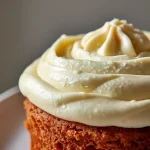
A luxuriously smooth and tangy cream cheese frosting with a perfect balance of sweetness and acidity. This recipe yields a stable, spreadable frosting ideal for carrot cakes, red velvet cakes, or cinnamon rolls, with a texture that holds its shape without being overly stiff.
- Prep Time: 15
- Total Time: 15
- Yield: 4 1x
- Category: Dessert
- Method: No-Cook
- Cuisine: American
Ingredients
- 8 oz (226 g) full-fat Philadelphia-style cream cheese, cold
- 1/2 cup (113 g) unsalted European-style butter (82-84% fat), at cool room temperature (65-68°F / 18-20°C)
- 1 teaspoon pure vanilla extract
- 1/4 teaspoon fine sea salt
- 3 1/2 cups (420 g) confectioners’ sugar, sifted
- 1 tablespoon fresh lemon juice, from about 1/2 medium lemon
Instructions
- Ensure all ingredients are at their specified temperatures: cold cream cheese straight from the refrigerator and butter that is cool to the touch but pliable. This temperature differential is crucial for creating a stable emulsion that won’t become greasy or separate. Using a stand mixer fitted with the paddle attachment or a large bowl with a hand mixer, combine the cold cream cheese and cool butter.
- Mix on medium-low speed for 1-2 minutes until the mixture is just combined and looks like coarse, pebbly cottage cheese. Do not overmix at this stage, as beating too much will incorporate too much air and warm the fats, leading to a soft frosting. Scrape down the bowl and paddle with a flexible spatula to ensure even mixing.
- Add the vanilla extract and fine sea salt to the bowl. Mix on low speed for 30 seconds until incorporated. The salt enhances the overall flavor profile and cuts the sweetness, while the vanilla provides a warm aromatic base.
- With the mixer on the lowest possible setting, gradually add the sifted confectioners’ sugar about 1/2 cup at a time. Allow each addition to be fully incorporated before adding the next. This slow addition prevents a cloud of sugar dust and ensures a smooth, lump-free texture.
- Once all the sugar is added, increase the mixer speed to medium and beat for exactly 1 minute. The frosting will become noticeably lighter in color and fluffier in texture. Set a timer, as over-beating at this stage can cause the frosting to become too soft and warm.
- Reduce the mixer speed to low and drizzle in the fresh lemon juice. Mix for 30-45 seconds until just combined. The acid from the lemon juice brightens the flavor and helps stabilize the frosting further. Stop mixing as soon as it is homogeneous.
- Stop the mixer and scrape the bowl thoroughly, paying special attention to the bottom where unincorporated butter and cream cheese can hide. Use the paddle attachment to fold the frosting a few times by hand to check for consistency.
- The finished frosting should be thick, smooth, and hold a firm peak when the paddle is lifted. It should be spreadable but not runny. If it feels too soft for your intended use (e.g., piping), cover and refrigerate for 20-30 minutes to firm up before using.
Notes
Storage: Frosting can be stored in an airtight container in the refrigerator for up to 5 days. It will firm up significantly when cold. Freezing: Transfer to a freezer-safe container, press plastic wrap directly onto the surface, and freeze for up to 2 months. Thaw overnight in the refrigerator. Reheating/Reconstituting: Always bring chilled frosting to cool room temperature (about 30 minutes) before re-whipping. Place in a mixing bowl and beat on medium-low speed for 60-90 seconds to restore its smooth, spreadable texture. Do not microwave, as this will break the emulsion.
Nutrition
- Calories: 785
- Sugar: 98g
- Sodium: 215mg
- Unsaturated Fat: 26g
- Carbohydrates: 101g
- Fiber: 0g
- Protein: 5g
- Cholesterol: 120mg
Keywords: nigella cream cheese frosting, cream cheese frosting, cream cheese icing, cake frosting, cupcake frosting, no-cook frosting, tangy frosting, carrot cake frosting, red velvet frosting, frosting recipe, buttercream alternative