 Ekani Ella
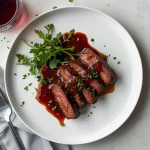
 If you’ve ever felt that shop-bought mint sauce lacks a certain spark, you’re not alone. Making a proper Mary Berry Mint Sauce at home is a revelation. It’s a bright, tangy, and refreshing British condiment that brings a perfect balance of sweet and sharp flavors to your table.
This recipe is wonderfully simple, taking just 20 minutes from start to finish. It’s a true beginner-friendly project. The only tricky part is ensuring you chop the mint finely enough to release all its aromatic oils, but I’ll guide you through that.
What Is Mary Berry Mint Sauce?
This is the quintessential British condiment, a staple for Sunday roasts and festive meals. At its heart, it’s a simple infusion of fresh mint in a hot, sweetened vinegar solution.
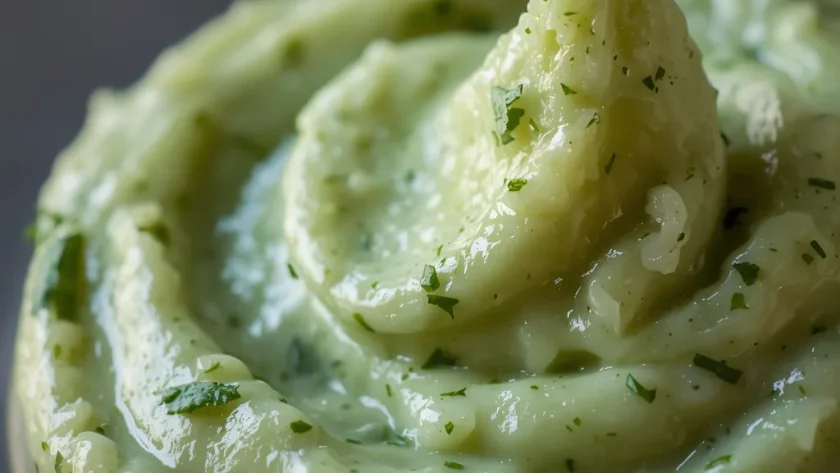
What sets this version apart is its perfect harmony. The sugar isn’t just for sweetness; it rounds out the vinegar’s sharp bite, letting the fresh, herbaceous notes of the mint shine through. The result is a pourable sauce with a vibrant flavor that cuts beautifully through rich meats.
Gather These Fresh Ingredients for Mary Berry Mint Sauce
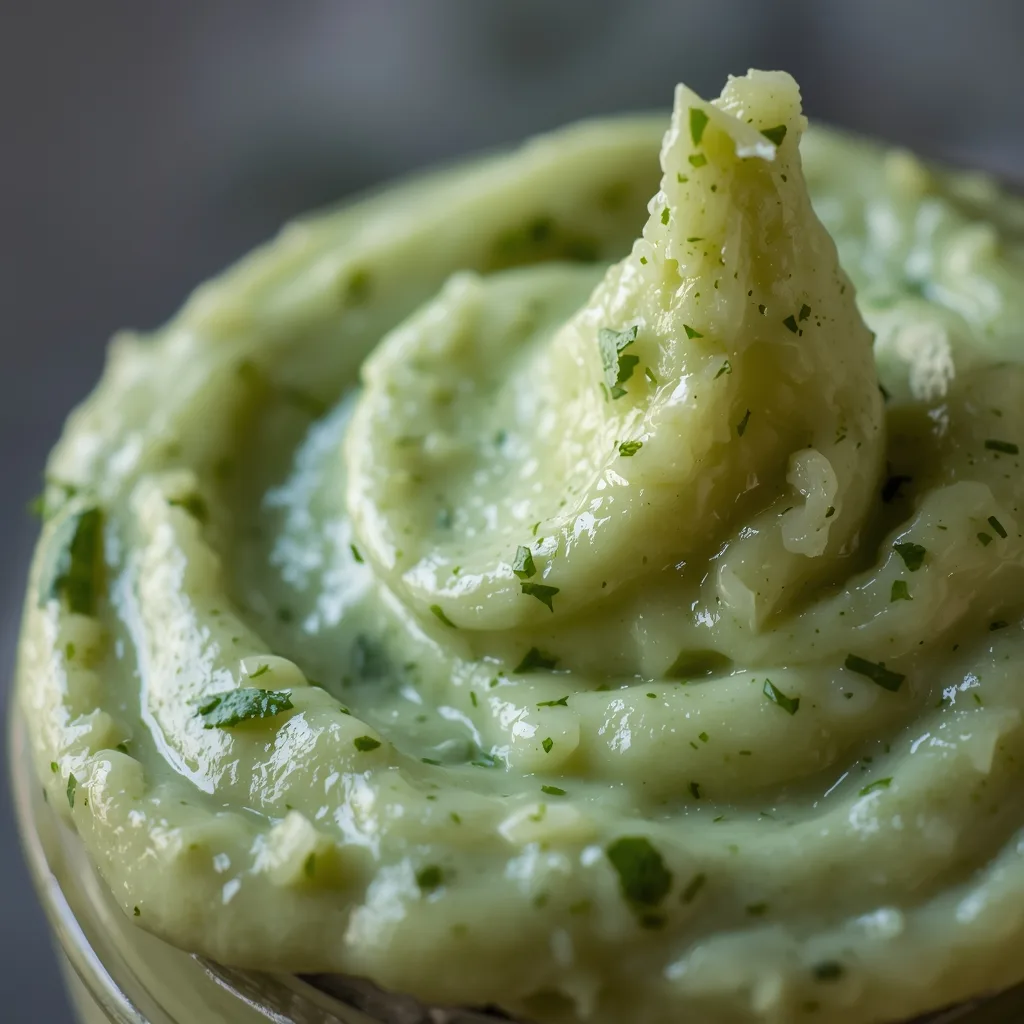
You only need five simple ingredients, and their quality makes all the difference.
The Fresh Herb
- 1 cup (packed) fresh mint leaves — This is the soul of the sauce. Look for bright, perky bunches without any black spots. You’ll need about one large bunch from the supermarket.
The Sweet & Sour Base
- 1/4 cup granulated sugar — White sugar dissolves cleanly, creating a clear syrup that sweetens without adding color or competing flavors.
- 1/2 cup boiling water — The heat is crucial for instantly dissolving the sugar and starting the infusion process with the mint.
- 1/4 cup white wine vinegar — I prefer its milder, fruitier acidity over malt vinegar for this sauce. It provides the essential sharpness without being overly harsh.
The Flavour Enhancer
- 1/4 tsp fine sea salt — Don’t skip this. A small amount of salt doesn’t make the sauce taste salty; it amplifies all the other flavors, balancing the sweet and sour perfectly.
Detailed Step-by-Step Instructions to Make Mary Berry Mint Sauce
The process is incredibly straightforward, but a few small details ensure the best results. Here’s how I walk through it.
- Prepare the Mint — Wash and thoroughly dry a large bunch of fresh mint. Strip the leaves from the stems and pile them up. Use a sharp chef’s knife to chop them as finely as you can. This isn’t just for texture; fine chopping ruptures more of the mint’s cells, releasing maximum essential oils and flavor into the sauce.
- Create the Hot Syrup — In a heatproof jug or bowl, combine the sugar and freshly boiled water. Stir vigorously for a full minute until the liquid is completely clear and no sugar granules remain. A grainy syrup will result in a grainy sauce.
- Add Vinegar and Salt — Pour in the white wine vinegar and add the salt, stirring to combine. You’ll immediately notice the sharp, fragrant aroma. The hot liquid helps the salt dissolve instantly.
- Combine with the Mint — Immediately pour the hot vinegar mixture over the finely chopped mint in a non-reactive bowl (glass or ceramic is ideal). The heat will slightly wilt the mint, softening its texture and kickstarting the infusion far better than a cold liquid would.
- Steep for Flavour — Give everything a good stir to submerge the mint, then let it stand at room temperature for at least 15 minutes. This resting period is non-negotiable—it’s when the flavors meld and the vibrant green color infuses the liquid.
- Check the Consistency — After steeping, the sauce should be fluid but generously speckled with mint. If it seems too thick, stir in an extra teaspoon of boiling water. For a slightly smoother texture, you can gently press some of the mint against the bowl with the back of a spoon.
- Taste and Adjust — Always taste before serving. It should be a harmonious blend of sweet, sour, and herbal. You might want a tiny extra pinch of salt to lift the flavors or a few more drops of vinegar for more punch. Remember, the flavor continues to develop as it cools.
- Cool and Serve — Let the sauce cool to room temperature. This final rest allows the flavors to fully integrate. Transfer it to a small jug or bowl. It’s traditionally served at room temperature alongside roast lamb, allowing its bright acidity to cut through the meat’s richness.
Common Mistakes and How I Fixed Them
My first attempt at mint sauce was a dull, gritty disappointment. I learned a lot from those early errors.
- Using a Dull Knife — I once bruised the mint into a dark, bitter paste by using a blunt knife. A sharp chef’s knife makes a clean cut, preserving the mint’s bright color and fresh flavor.
- Insufficient Chopping — Big pieces of mint look pretty but don’t infuse well. The sauce tasted weakly of vinegar with occasional overwhelming bursts of herb. Fine chopping is the key to an even, well-balanced flavor throughout.
- Adding Cold Liquid — I tried to save time by using warm tap water instead of boiling water. The sugar didn’t fully dissolve, leaving a faint grittiness in the finished condiment. Boiling water is essential for a perfectly smooth syrup.
- Skipping the Steeping Time — Impatience led me to serve it after five minutes. The flavors were completely separate—harsh vinegar, sweet water, and raw mint. Letting it steep for the full 15 minutes allows them to marry into one cohesive sauce.
- Wrong Vinegar Choice — I once used a very strong malt vinegar, and it completely overpowered the delicate mint. White wine vinegar has a cleaner, fruitier acidity that plays much more nicely with the fresh herbs.
What Pairs Perfectly with Mary Berry Mint Sauce
While it’s a classic partner for lamb, this versatile sauce can lift many other dishes.
- Roast Lamb — The traditional and unbeatable pairing. The sauce’s acidity cuts through the rich, fatty meat beautifully, creating a perfect bite every time.
- Grilled Halloumi — Serve a dollop alongside salty, squeaky grilled halloumi. The cool, sharp sauce provides a fantastic contrast to the warm, salty cheese.
- Pea and Feta Fritters — Drizzle it over savory fritters. The mint in the sauce echoes the fresh herbs in the fritters, while the vinegar cuts through the feta’s richness.
- Simple Roast Chicken — It might be unconventional, but a spoonful with roast chicken adds a wonderfully bright and herby note that’s a lovely change from gravy.
- Mixed into Yogurt — Stir a tablespoon into some plain Greek yogurt for an instant, vibrant dip for crudités or a sauce for grilled vegetables.
- With New Potatoes — Toss warm, buttery new potatoes in a little of the sauce for a fantastically simple and flavorful side dish.
Pro Tips for Making Mary Berry Mint Sauce
A few small tweaks in technique can elevate your sauce from good to exceptional.
- Absolutely Dry Mint — Any water clinging to the leaves after washing will dilute your sauce. Pat the leaves completely dry with a clean tea towel or paper towels before chopping.
- Glass or Ceramic Bowl — Always use a non-reactive bowl for steeping. Metal (especially aluminum or copper) can react with the vinegar, giving the sauce a faint metallic taste.
- Freshness is Key — The sauce is at its vibrant best within a day or two of making. The mint’ color will darken over time, though the flavor remains good for longer.
- Adjust to Your Vinegar — Different brands of white wine vinegar can vary in acidity. Start with the stated amount, then taste after steeping and add an extra ½ teaspoon if you prefer a sharper finish.
- Make it in a Jug — I make the syrup directly in a heatproof measuring jug, then add the mint and let it steep right there. It saves on washing up and makes pouring into a serving jug effortless.
- Warm Your Serving Dish — If serving straight from the fridge, let the sauce sit in its serving jug at room temperature for 20-30 minutes first. The flavors are much more pronounced when not ice-cold.
Inspiring Variations of Mary Berry Mint Sauce
Once you’ve mastered the classic, these simple twists are fun to explore.
- Citrus Zest Addition — Add the finely grated zest of half a lemon or a small orange to the chopped mint. The citrus oils add a wonderful, fragrant top note that’s especially good with chicken or fish.
- Herb Hybrid Version — Replace a quarter of the mint with fresh flat-leaf parsley or coriander for a more complex herbal profile. It’s fantastic with grilled meats.
- Spiced Syrup Twist — Add a teaspoon of whole black peppercorns or a couple of lightly crushed cardamom pods to the sugar and water as you make the syrup. Strain them out before pouring over the mint.
- Honey Instead of Sugar — Swap the granulated sugar for 3 tablespoons of runny honey. It gives a more floral sweetness and a slightly thicker body. Dissolve it just as carefully in the boiling water.
- Apple Cider Vinegar — Use a good-quality apple cider vinegar in place of white wine vinegar. It brings a fruity, rounded acidity that works beautifully in the sauce.
How to Store Mary Berry Mint Sauce Properly
Proper storage keeps your sauce tasting fresh and vibrant.
- Airtight Jar in the Fridge — Once completely cool, transfer it to a clean, airtight jar or container. This prevents it from absorbing other fridge odors and keeps the mint from oxidizing too quickly.
- One-Week Shelf Life — For the best flavor and brightest color, try to use it within a week. The mint will gradually darken to a deeper olive green, but it will still taste delicious for a little longer.
- No Freezing — I don’t recommend freezing this sauce. The freezing process damages the cellular structure of the fresh mint, turning it mushy and dull when thawed.
- Surface Discoloration — If a darker layer forms on top after a few days, don’t worry. Just give the sauce a good stir before using—it’s simply the mint reacting with the air and is perfectly safe to eat.
Smart Reheating Tips for Mary Berry Mint Sauce
This is a sauce meant to be served cool or at room temperature, not hot.
- Room Temperature Rest — The best method is simply to take the jar out of the fridge 20 to 30 minutes before you plan to serve. This allows the chill to come off and the flavors to wake up properly.
- Never Use the Microwave — Applying direct heat, especially in a microwave, will cook the mint. This turns it brown, kills its fresh flavor, and can make the vinegar smell overly harsh.
- Brief Warm Water Bath — If you’re really short on time, place the sealed jar in a bowl of warm (not hot) tap water for 5-10 minutes. This gently takes the edge off the cold without damaging the mint.
FAQs
Can I use dried mint instead of fresh?
I really wouldn’t recommend it for this recipe. Dried mint lacks the bright, vibrant essential oils that define the sauce. It will taste dusty and flat, more like a paste than a fresh condiment.
How long does Mary Berry Mint Sauce last in the fridge?
Stored in an airtight container, it will keep well for up to a week. The color will darken after a few days, but the flavor remains excellent.
Can I make it smoother, like a pouring sauce?
Absolutely. After steeping, you can blend it briefly with a stick blender or press it through a fine sieve. Note that a completely smooth sauce will have a slightly different, more intense flavor as more mint oils are extracted.
My sauce is too sharp/vinegary. How can I fix it?
Stir in an extra half-teaspoon of sugar dissolved in a teaspoon of boiling water. Let it sit for another 5 minutes and taste again. You can always add more sweetness, but you can’t take it away.
Is Mary Berry Mint Sauce gluten-free and vegan?
Yes, with the ingredients listed, it is naturally both gluten-free and vegan. Always check your specific vinegar brand if you have severe coeliac disease, but white wine vinegar is typically safe.
Can I double or triple the recipe?
You can easily scale it up for a crowd. Just use a larger bowl to ensure the hot liquid properly wilts all the mint. The steeping time remains the same.
Nutritional Value
Based on one serving, which is roughly a quarter of the total recipe yield.
- Calories: 52
- Protein: about 0.3g
- Fat: 0.1g
- Carbohydrates: around 13.5g
- Fiber: 0.5g
- Sugar: roughly 12.5g
- Sodium: 146mg
Try These Recipes
- Jamie Oliver’s Classic Mint Sauce
- Hairy Bikers Key Lime Pie
- Hairy Bikers Millionaires Shortbread
- Hairy Bikers Carrot Cake
Wrapping Up
This recipe proves that the simplest things, done with care, are often the best. A homemade Mary Berry Mint Sauce transforms a Sunday roast or a simple grilled chop into something special. It’s a little jar of freshness that you can whip up in minutes, and it tastes infinitely better than anything from a shelf.
I hope you give it a try. Once you taste the bright, balanced flavor of your own homemade version, I doubt you’ll ever go back to the shop-bought kind.
PrintMary Berry’s Classic Mint Sauce

A bright, tangy, and refreshing British condiment with a perfect balance of sweet and sharp flavors. Fresh mint is finely chopped and steeped in a hot vinegar-sugar solution, creating a sauce with vibrant herbaceous notes and a smooth, pourable consistency that beautifully cuts through the richness of roast lamb.
- Prep Time: 15
- Cook Time: 5
- Total Time: 20
- Yield: 4 1x
- Category: Condiment
- Method: Stovetop
- Cuisine: British
Ingredients
- 1 cup (packed) fresh mint leaves, finely chopped (about 1 large bunch)
- 1/4 cup granulated sugar
- 1/2 cup boiling water
- 1/4 cup white wine vinegar
- 1/4 tsp fine sea salt
Instructions
- Gather and prepare your mint. Wash one large bunch of fresh mint under cold water and pat completely dry with paper towels. Strip the leaves from the stems, discarding the stems. Pile the leaves and use a sharp chef’s knife to chop them finely until you have 1 packed cup. Fine chopping maximizes surface area, releasing more essential oils and flavor into the sauce.
- Dissolve the sugar. In a small heatproof bowl or measuring jug, combine 1/4 cup granulated sugar and 1/2 cup of freshly boiled water. Stir vigorously with a spoon or small whisk for about 1 minute until the sugar is completely dissolved, creating a clear syrup. The hot water ensures the sugar dissolves instantly, preventing a grainy texture in the finished sauce.
- Add the vinegar and salt. Pour 1/4 cup of white wine vinegar into the hot sugar syrup and add 1/4 teaspoon of fine sea salt. Stir to combine. The vinegar provides the essential sharp acidity, while the salt balances and enhances all the other flavors.
- Combine with mint. Immediately pour the hot vinegar mixture over the finely chopped mint in a non-reactive bowl (glass, ceramic, or stainless steel). The heat from the liquid will slightly wilt the mint, softening its texture and helping to infuse the liquid with its flavor more effectively than a cold mixture would.
- Stir and steep. Stir the mixture thoroughly to ensure all mint is submerged. Let it stand at room temperature for at least 15 minutes to allow the flavors to meld. During this time, the mint’s vibrant green color will infuse the liquid, and its flavor will mellow slightly, blending harmoniously with the sweet and sour elements.
- Adjust consistency. After steeping, check the sauce’s consistency. It should be fluid but with plenty of suspended mint pieces. If it seems too thick, you can stir in an additional teaspoon of boiling water. For a smoother sauce, you can lightly crush some of the mint with the back of a spoon against the side of the bowl.
- Taste and adjust. Taste the sauce carefully. It should be a balanced blend of sweet, sour, and herbal notes. If desired, you can add a tiny pinch more salt to enhance flavor or a few more drops of vinegar for extra sharpness. Remember the flavor will continue to develop as it cools.
- Cool and serve. Allow the sauce to cool to room temperature before serving. This resting period allows the flavors to fully integrate. Transfer to a small serving jug or bowl. The sauce is traditionally served at room temperature alongside roast lamb, allowing its bright acidity to cut through the meat’s richness.
Notes
Storage: Transfer cooled sauce to an airtight container or jar. It will keep in the refrigerator for up to 1 week. The mint will darken slightly over time, but the flavor remains excellent. Freezing is not recommended as it will damage the texture of the fresh herbs. Reheating: This sauce is served at room temperature or cool. If refrigerated, let it sit out for 20-30 minutes before serving to take the chill off. Do not microwave or heat, as this will cook the mint and dull its fresh flavor.
Nutrition
- Calories: 52
- Sugar: 12.5g
- Sodium: 146mg
- Unsaturated Fat: 0g
- Carbohydrates: 13.5g
- Fiber: 0.5g
- Protein: 0.3g
- Cholesterol: 0mg
Keywords: Mary Berry mint sauce, classic mint sauce, British mint sauce, lamb mint sauce, fresh mint sauce, vinegar mint sauce, condiment recipe, no-cook sauce, herb sauce, roast dinner, Sunday roast, easy sauce