 Ekani Ella
 If you’re looking for a classic, no-fail icing that pipes beautifully and tastes divine, you need to try Mary Berry Buttercream Icing for Cupcakes. It’s the silky-smooth, perfectly balanced icing that turns a simple sponge into something truly special. I’ve tried countless recipes over the years, and this one, with its light texture and rich butter flavor, is the one I always come back to.
This recipe is beginner-friendly and comes together in about 15 minutes with just five ingredients. The key is patience during the whipping stages—rushing it is the only way you can go wrong. It’s perfect for birthday cakes, afternoon tea, or simply making a batch of midweek cupcakes feel like a celebration.
What Is Mary Berry Buttercream Icing for Cupcakes?
This is the quintessential British buttercream, a staple in home baking for generations. Mary Berry’s version is renowned for its foolproof method that yields a light, spreadable icing, not overly sweet or greasy.
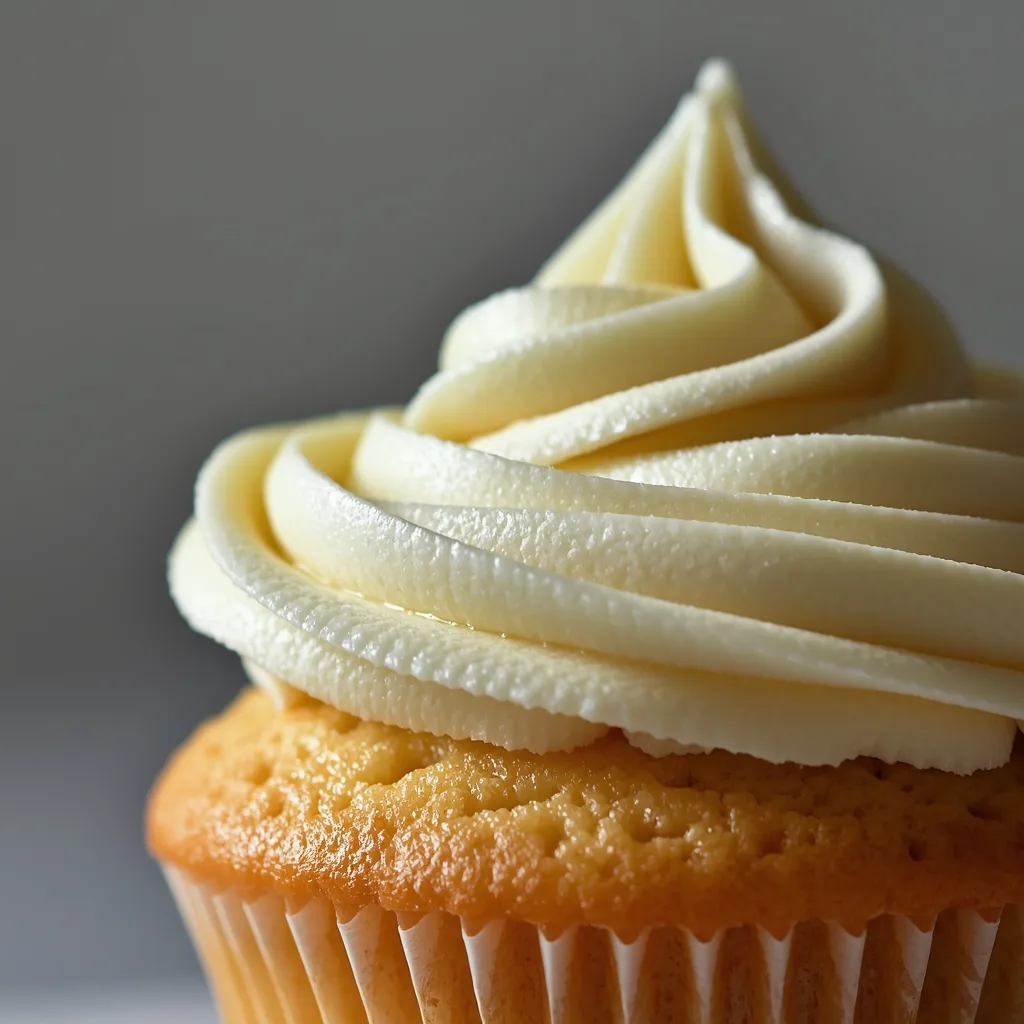
What sets it apart is the specific technique of aerating the butter first and the careful addition of liquid. It creates a frosting that’s ideal for piping elegant swirls or smoothly covering a Victoria sponge. The result is a professional-looking finish with a wonderfully homemade taste.
Gather These Fresh Ingredients for Mary Berry Buttercream Icing for Cupcakes
Quality matters here, as each ingredient plays a starring role. Here’s what you’ll need, broken down by its function in the recipe.
The Fat & Sweetener
- 1 cup (226g) unsalted butter, softened — This forms the base of the icing. Using unsalted butter lets you control the salt level, and proper softening (65-68°F) is non-negotiable for a smooth emulsion.
- 3 1/2 cups (440g) confectioners’ sugar, sifted — Also called icing sugar, this provides sweetness and structure. Sifting is essential to avoid lumps that can clog your piping tip.
The Flavor & Texture Enhancers
- 2 tablespoons (30ml) whole milk, at room temperature — This loosens the mixture to a perfect piping consistency. Room-temperature liquid prevents the butter from seizing.
- 1 teaspoon (5ml) pure vanilla extract — Use a good quality extract for the best flavor. It adds a warm, fragrant note that complements the butter perfectly.
- 1/4 teaspoon fine sea salt — This tiny amount is the secret weapon. It balances the sweetness and heightens all the other flavors without tasting salty.
Detailed Step-by-Step Instructions to Make Mary Berry Buttercream Icing for Cupcakes
The process is simple but methodical. Follow these steps closely for that signature Mary Berry result.
- Cream the Butter — Beat the softened butter in a stand mixer with a paddle attachment for 3-4 minutes on medium speed. You’re looking for it to become very pale, creamy, and almost fluffy. This first aeration is crucial for texture.
- Incorporate the Sugar — With the mixer on low, add the sifted icing sugar about 1/2 cup at a time. Let each addition fully mix in to avoid a sugar cloud. Scrape down the bowl halfway through.
- Beat Thoroughly — Once all sugar is in, beat on medium for 2 full minutes. The mix will look thick and crumbly—this is normal and helps dissolve the sugar.
- Prepare the Liquid — In a small bowl, stir together the room-temperature milk, vanilla, and salt until the salt dissolves. Using cold liquid here can cause the butter to harden into little lumps.
- Add the Liquid Slowly — With the mixer on low, drizzle the milk mixture into the bowl in a thin, steady stream. Stop and scrape the bowl thoroughly once it’s all added.
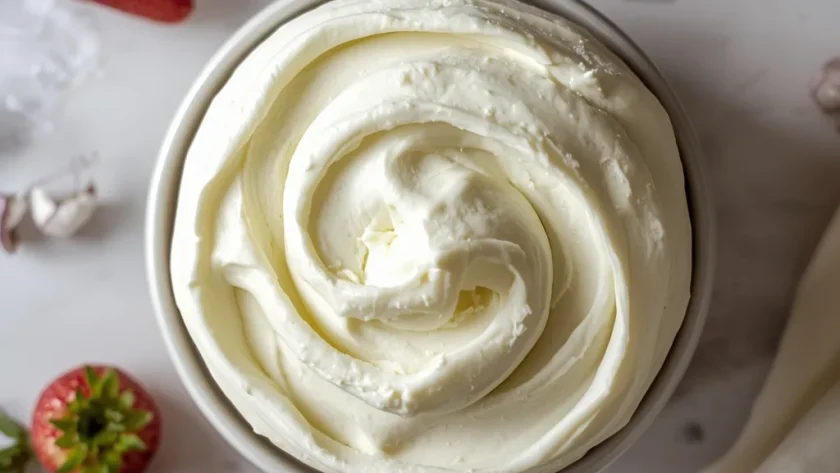
- The Final Whip — Increase speed to medium-high and beat for 3-4 minutes. The icing will become extremely light, smooth, and voluminous. It should hold a firm peak.
- Check Consistency — Lift the paddle. The icing should form a peak that curls over slightly. If too stiff, add milk 1 tsp at a time. If too soft, add sifted icing sugar 1 tbsp at a time, beating well after each.
- Use or Store — Use immediately on cooled cakes. To pause, press plastic wrap directly onto the surface to prevent a skin from forming.
Common Mistakes and How I Fixed Them
I’ve made my share of errors with buttercream over the years. Here are the pitfalls I learned to avoid the hard way.
- Cold Butter — My icing was lumpy and wouldn’t whip up light. I now leave butter out for a few hours until it yields gently to pressure—no shortcuts with the microwave.
- Adding Sugar Too Fast — This created a huge plume of powdered sugar all over my kitchen. Adding it gradually on low speed keeps everything tidy and ensures even mixing.
- Using Cold Milk — I once added fridge-cold milk and the butter seized, creating a grainy, broken texture. Now I always take the milk out 30 minutes ahead.
- Undermixing — I used to stop as soon as it looked combined, resulting in a heavy icing. Beating for the full time after adding the liquid is what creates that dreamy, cloud-like fluffiness.
- Skipping the Salt — I thought it was optional, but the icing tasted one-dimensionally sweet. That quarter teaspoon makes all the difference, rounding out the flavor perfectly.
What Pairs Perfectly with Mary Berry Buttercream Icing for Cupcakes
This versatile icing is a blank canvas. Here are my favorite ways to serve it.
- Classic Vanilla Cupcakes — You can’t beat the timeless combination. The vanilla in both the sponge and the icing sings in harmony.
- Rich Chocolate Sponge — The sweet, creamy buttercream provides a beautiful contrast to a deep, dark chocolate cake.
- Lemon Drizzle Cake — A sharp, zesty cake cut through with this rich icing is a match made in heaven for afternoon tea.
- Birthday Layer Cakes — Its spreadable consistency makes it ideal for filling and covering celebration cakes before adding fondant or decorations.
- Butter Biscuits — A small dollop on a shortbread or digestive biscuit turns a simple treat into something elegant.
Pro Tips for Making Mary Berry Buttercream Icing for Cupcakes
A few small tweaks can elevate your results from good to exceptional.
- Scrape the Bowl — Do this halfway through adding the sugar and again after adding the milk. Unmixed butter at the bottom is a common cause of inconsistency.
- Room Temperature is Key — Ensure both your butter and milk are truly at room temperature (around 20°C). This is the single biggest factor in achieving a silky emulsion.
- Invest in Good Vanilla — With so few ingredients, each one shines. A pure vanilla extract or even a vanilla bean paste will give you a far superior flavor to artificial essence.
- Check Your Peak — The “curled peak” test is your best guide. If the peak stands straight up, it’s too stiff for easy piping. If it flops over immediately, it’s too soft.
- Chill If Necessary — If your kitchen is warm and the icing seems too soft after whipping, chill the whole bowl for 10 minutes, then re-whip. This often fixes it without needing extra sugar.
- Use a Paddle, Not a Whisk — The flat paddle attachment of a stand mixer is better for buttercream than a whisk. It incorporates air while maintaining a dense, pipeable structure.
Inspiring Variations of Mary Berry Buttercream Icing for Cupcakes
Once you’ve mastered the classic, try these simple twists.
- Chocolate Version — Reduce the icing sugar by 1/2 cup and add 3/4 cup of sifted cocoa powder along with it. You may need an extra tablespoon of milk.
- Citrus Zest — Add the finely grated zest of one lemon, lime, or orange to the butter at the beginning of creaming for a bright, fragrant icing.
- Coffee Buttercream — Dissolve 2 teaspoons of instant espresso powder into the milk before adding it for a deep, mocha flavor.
- Fruit Swirl — After the icing is made, gently fold in 3-4 tablespoons of seedless raspberry or strawberry jam for a pretty ripple effect.
- Different Extract — Swap the vanilla for an equal amount of almond, peppermint, or coconut extract for a completely different flavor profile.
How to Store Mary Berry Buttercream Icing for Cupcakes Properly
Proper storage keeps your icing fresh and ready for its next use.
- Airtight in the Fridge — Press plastic wrap onto the surface, then seal in a container. It will keep well for up to 1 week.
- Freezing for Later — This icing freezes beautifully. Pack it into a sealed freezer bag or container for up to 3 months.
- Thawing Correctly — Move frozen icing to the fridge to thaw overnight. Never microwave it, as the heat will break the emulsion and make it greasy.
- Reviving Stored Icing — Bring refrigerated or thawed icing to room temperature for about an hour, then re-whip in your mixer for 2-3 minutes to restore its smooth, fluffy texture.
Smart Reheating Tips for Mary Berry Buttercream Icing for Cupcakes
Since this is a no-cook recipe, “reheating” is really about bringing it back to the right consistency.
- Room Temperature Rest — For refrigerated icing, simply let it sit on the counter for 60-90 minutes until it softens. This is the gentlest method.
- Brief Re-whipping — If it’s still a bit stiff after coming to room temp, a quick 60-second whip in the mixer will bring back its lightness.
- No Direct Heat — Avoid placing the bowl in warm water or near a heater. Gentle, ambient warming is key to preserving the texture.
FAQs
Can I use salted butter for Mary Berry Buttercream Icing for Cupcakes?
You can, but I don’t recommend it. Omit the added fine sea salt in the recipe if you do. Unsalted butter gives you complete control over the final flavor balance.
Why is my buttercream runny and not holding peaks?
This usually means the butter was too soft or the kitchen was too warm. Chill the entire bowl for 10-15 minutes, then re-whip. If it’s still soft, beat in a tablespoon of sifted icing sugar at a time.
How long does Mary Berry Buttercream Icing for Cupcakes last on a cake?
Cakes iced with it can be kept at room temperature for up to 2 days, as the sugar content acts as a preservative. For longer storage, refrigerate the cake, but bring it to room temperature before serving for the best texture.
Can I make this icing by hand?
You can, but it requires serious elbow grease. Use a sturdy wooden spoon and beat vigorously at each stage. A hand mixer is a good compromise if you don’t have a stand mixer.
Can I freeze cakes already iced with this buttercream?
Yes, you can. Freeze the cake uncovered until the icing is solid, then wrap it tightly in several layers of cling film. Thaw, still wrapped, in the refrigerator overnight to prevent condensation.
Nutritional Value
Based on 1 serving, which is roughly a quarter of the total recipe batch (enough to generously ice 12 cupcakes).
- Calories: 1015
- Protein: about 1g
- Fat: 92g
- Carbohydrates: around 88g
- Fiber: 0g
- Sugar: 87g
- Sodium: roughly 146mg
Wrapping Up
This recipe is a true baking essential—reliable, delicious, and endlessly versatile. Once you master the simple technique for Mary Berry Buttercream Icing for Cupcakes, you’ll find yourself reaching for it every time you bake. I hope it becomes a trusted favorite in your kitchen, just as it has in mine.
PrintMary Berry Buttercream Icing for Cupcakes
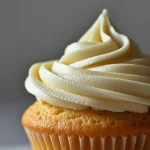
A classic, silky-smooth buttercream icing from the legendary Mary Berry. This recipe yields a light, spreadable icing with a perfect balance of sweetness and rich butter flavor, ideal for piping onto cupcakes or covering layer cakes.
- Prep Time: 15
- Total Time: 15
- Yield: 4 1x
- Category: Dessert
- Method: No-Cook
- Cuisine: British
Ingredients
- 1 cup (226g) unsalted butter, softened to room temperature (65-68°F / 18-20°C)
- 3 1/2 cups (440g) confectioners’ sugar (also called icing sugar or powdered sugar), sifted
- 2 tablespoons (30ml) whole milk, at room temperature
- 1 teaspoon (5ml) pure vanilla extract
- 1/4 teaspoon fine sea salt
Instructions
- Place the softened unsalted butter in the bowl of a stand mixer fitted with the paddle attachment. Beat on medium speed for 3-4 minutes until the butter is very pale, creamy, and almost fluffy. This crucial step incorporates air, which lightens the texture and prevents a greasy mouthfeel in the final icing.
- With the mixer on the lowest speed, gradually add the sifted confectioners’ sugar, about 1/2 cup at a time. Allow each addition to be fully incorporated before adding the next to prevent a sugar cloud. Scrape down the sides and bottom of the bowl with a flexible spatula halfway through to ensure even mixing.
- Once all the sugar is incorporated, increase the mixer speed to medium and beat for a full 2 minutes. The mixture will be thick and crumbly at this stage. This extended beating further aerates the mixture and begins to dissolve the sugar into the butter.
- In a small bowl or measuring cup, combine the room-temperature whole milk, pure vanilla extract, and fine sea salt. Stir briefly to dissolve the salt into the liquid. Adding cold milk can cause the butter to seize and create a lumpy texture.
- With the mixer on low speed, slowly drizzle the milk mixture into the butter and sugar. Aim for a steady, thin stream to allow for even emulsification. Once all the liquid is added, stop the mixer and scrape the bowl thoroughly.
- Increase the mixer speed to medium-high and beat for 3-4 minutes until the buttercream is extremely light, smooth, and noticeably increased in volume. It should be stiff enough to hold a sharp peak but still spreadable. If it appears too soft, chill for 10 minutes and re-whip.
- To check for consistency, lift the paddle; the icing should form a firm peak that curls over slightly at the tip. If it’s too stiff for piping, add more milk 1 teaspoon at a time. If it’s too soft, add more sifted confectioners’ sugar 1 tablespoon at a time, beating well after each addition.
- Use immediately for piping or spreading. For best results, apply to completely cooled cupcakes or cakes. If you need to pause, cover the surface of the buttercream directly with plastic wrap to prevent a skin from forming.
Notes
Storage: Buttercream can be stored in an airtight container in the refrigerator for up to 1 week. Before using, bring to room temperature (about 1 hour) and re-whip in the stand mixer for 2-3 minutes to restore its smooth, spreadable texture. Freezing: Buttercream freezes exceptionally well for up to 3 months. Store in a sealed freezer bag or airtight container. Thaw overnight in the refrigerator, then bring to room temperature and re-whip before use. Do not microwave to thaw, as it will break the emulsion.
Nutrition
- Calories: 1015
- Sugar: 87g
- Sodium: 146mg
- Saturated Fat: 58g
- Carbohydrates: 88g
- Fiber: 0g
- Protein: 1g
- Cholesterol: 244mg
Keywords: mary berry buttercream, buttercream icing, cupcake frosting, vanilla buttercream, classic buttercream, easy frosting, no-cook icing, british baking, birthday cake icing, piping frosting, buttercream recipe, homemade frosting