Mary Berry Buttercream Icing for Cupcakes
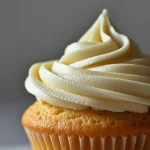
A classic, silky-smooth buttercream icing from the legendary Mary Berry. This recipe yields a light, spreadable icing with a perfect balance of sweetness and rich butter flavor, ideal for piping onto cupcakes or covering layer cakes.
- Prep Time: 15
- Total Time: 15
- Yield: 4 1x
- Category: Dessert
- Method: No-Cook
- Cuisine: British
Ingredients
- 1 cup (226g) unsalted butter, softened to room temperature (65-68°F / 18-20°C)
- 3 1/2 cups (440g) confectioners’ sugar (also called icing sugar or powdered sugar), sifted
- 2 tablespoons (30ml) whole milk, at room temperature
- 1 teaspoon (5ml) pure vanilla extract
- 1/4 teaspoon fine sea salt
Instructions
- Place the softened unsalted butter in the bowl of a stand mixer fitted with the paddle attachment. Beat on medium speed for 3-4 minutes until the butter is very pale, creamy, and almost fluffy. This crucial step incorporates air, which lightens the texture and prevents a greasy mouthfeel in the final icing.
- With the mixer on the lowest speed, gradually add the sifted confectioners’ sugar, about 1/2 cup at a time. Allow each addition to be fully incorporated before adding the next to prevent a sugar cloud. Scrape down the sides and bottom of the bowl with a flexible spatula halfway through to ensure even mixing.
- Once all the sugar is incorporated, increase the mixer speed to medium and beat for a full 2 minutes. The mixture will be thick and crumbly at this stage. This extended beating further aerates the mixture and begins to dissolve the sugar into the butter.
- In a small bowl or measuring cup, combine the room-temperature whole milk, pure vanilla extract, and fine sea salt. Stir briefly to dissolve the salt into the liquid. Adding cold milk can cause the butter to seize and create a lumpy texture.
- With the mixer on low speed, slowly drizzle the milk mixture into the butter and sugar. Aim for a steady, thin stream to allow for even emulsification. Once all the liquid is added, stop the mixer and scrape the bowl thoroughly.
- Increase the mixer speed to medium-high and beat for 3-4 minutes until the buttercream is extremely light, smooth, and noticeably increased in volume. It should be stiff enough to hold a sharp peak but still spreadable. If it appears too soft, chill for 10 minutes and re-whip.
- To check for consistency, lift the paddle; the icing should form a firm peak that curls over slightly at the tip. If it’s too stiff for piping, add more milk 1 teaspoon at a time. If it’s too soft, add more sifted confectioners’ sugar 1 tablespoon at a time, beating well after each addition.
- Use immediately for piping or spreading. For best results, apply to completely cooled cupcakes or cakes. If you need to pause, cover the surface of the buttercream directly with plastic wrap to prevent a skin from forming.
Notes
Storage: Buttercream can be stored in an airtight container in the refrigerator for up to 1 week. Before using, bring to room temperature (about 1 hour) and re-whip in the stand mixer for 2-3 minutes to restore its smooth, spreadable texture. Freezing: Buttercream freezes exceptionally well for up to 3 months. Store in a sealed freezer bag or airtight container. Thaw overnight in the refrigerator, then bring to room temperature and re-whip before use. Do not microwave to thaw, as it will break the emulsion.
Nutrition
- Calories: 1015
- Sugar: 87g
- Sodium: 146mg
- Saturated Fat: 58g
- Carbohydrates: 88g
- Fiber: 0g
- Protein: 1g
- Cholesterol: 244mg
Keywords: mary berry buttercream, buttercream icing, cupcake frosting, vanilla buttercream, classic buttercream, easy frosting, no-cook icing, british baking, birthday cake icing, piping frosting, buttercream recipe, homemade frosting