
 Ekani Ella
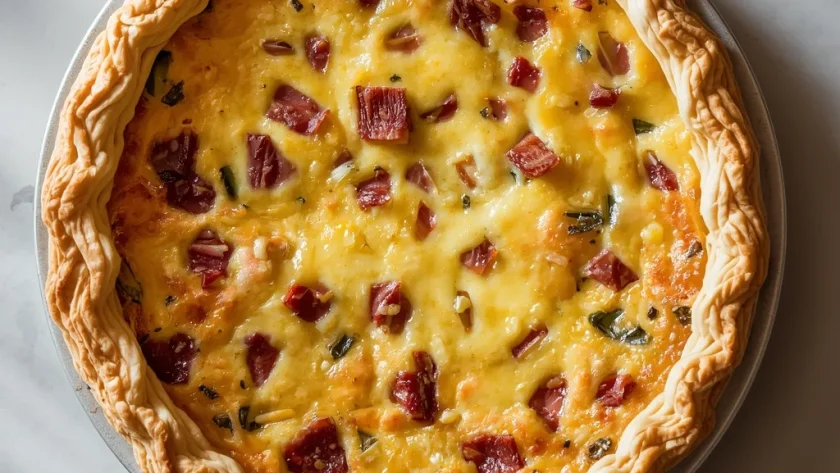
 There’s something deeply satisfying about a classic Mary Berry Quiche Lorraine done right. It’s the perfect balance of a crisp, buttery pastry shell and a rich, savory custard studded with smoky bacon and nutty Gruyère. This isn’t an overly eggy, rubbery tart; it’s a creamy, elegant main that feels special yet is built on simple, honest ingredients.
You can have it on the table in about 80 minutes, making it brilliant for a weekend lunch or a relaxed dinner. I’d rate it as an intermediate recipe—the steps are clear, but a little pastry finesse and timing are involved. The key is not to rush the blind baking or overwork the dough, and I’ll guide you through both.
What Is Mary Berry Quiche Lorraine?
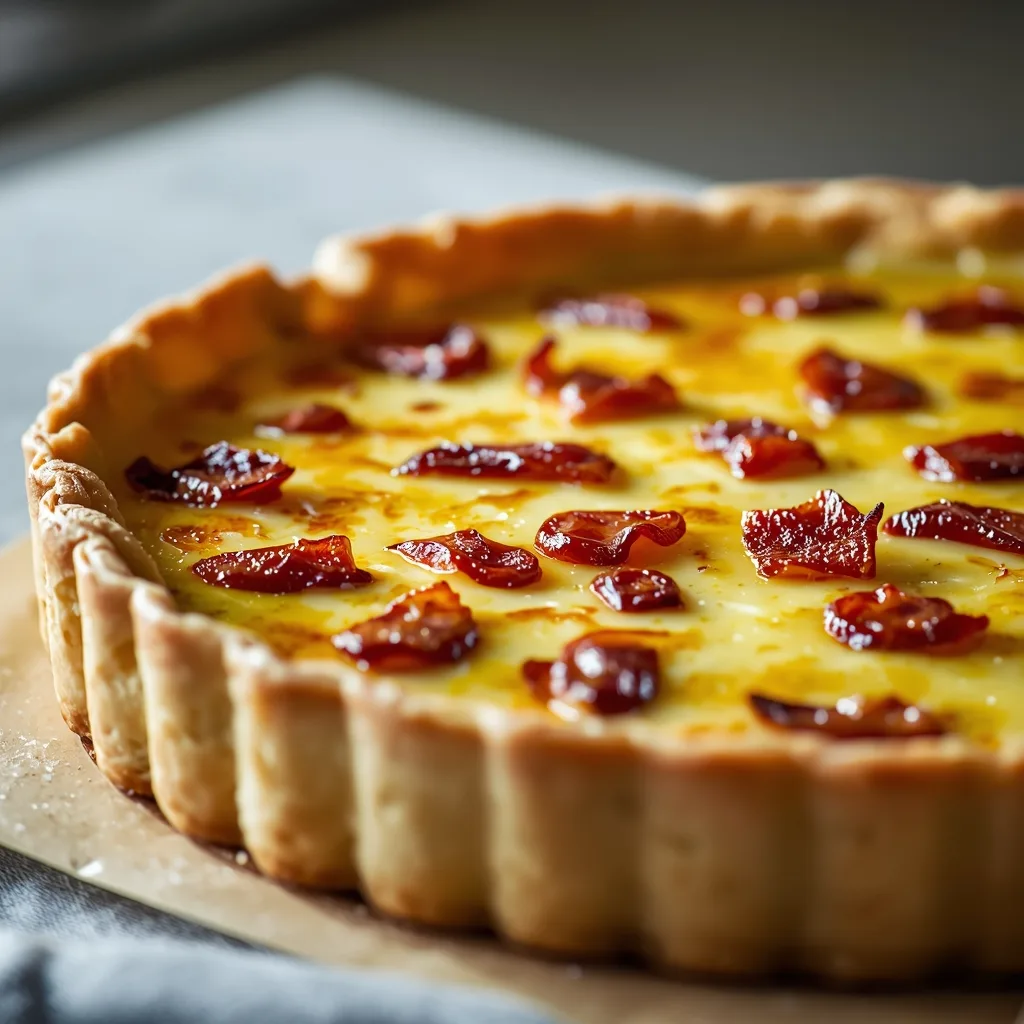
At its heart, this is a classic French tart from the Lorraine region, given the trusted, no-fuss treatment of a British baking legend. What defines it is the specific texture: a shortcrust that shatters, a filling that’s set yet custardy, and a flavor profile that’s deeply savory without being heavy.
Many quiche recipes can be dense or one-note. The magic here comes from the ratio of cream to egg and the technique of partially baking the shell first. This prevents the dreaded soggy bottom and ensures every component shines. It’s a staple of French brasserie cooking that translates beautifully to a home kitchen.
Gather These Fresh Ingredients for Mary Berry Quiche Lorraine
Quality matters here, as each component plays a starring role. Here’s what you’ll need, broken down by its job in the recipe.
For the Shortcrust Pastry
- All-purpose flour — This forms the structure of your shell. A little extra for dusting prevents the dough from sticking when you roll it.
- Unsalted butter, cold and cubed — The foundation of flakiness. Keeping it cold ensures it steams in the oven, creating those perfect, delicate layers.
- Fine sea salt — Just a quarter teaspoon balances the richness and enhances the overall flavor of the pastry.
- Ice water — Adding it gradually just until the dough comes together prevents a tough, overworked crust. The cold temperature keeps the butter firm.
For the Savory Filling
- Thick-cut smoked bacon lardons or pancetta — These provide the essential smoky, salty depth. Starting them in a cold pan renders the fat slowly for perfect crispness.
- Gruyère cheese, coarsely grated — Its nutty, slightly sweet flavor melts beautifully into the custard. Avoid pre-grated cheese, as it often contains anti-caking agents that can hinder melting.
- Large eggs — They bind the filling. Whisk them just until combined to avoid incorporating too much air, which can lead to bubbles.
- Heavy cream (36-40% fat) & whole milk — This combination creates the luxurious, creamy texture that sets this quiche apart. The high fat content is non-negotiable for the right mouthfeel.
- Freshly grated nutmeg — A hint warms up the custard and complements the cheese beautifully. Pre-ground nutmeg loses its potency, so fresh is best.
- Fine sea salt & freshly ground black pepper — Season the custard itself. Remember the bacon and cheese are salty, so go easy and taste as you go.
Detailed Step-by-Step Instructions to Make Mary Berry Quiche Lorraine
The process is methodical but rewarding. Follow these steps in order for the best results.
- Make the pastry dough — Rub the cold butter into the flour and salt until it looks like coarse crumbs with some pea-sized bits left. This promises a flaky crust. Add the ice water tablespoon by tablespoon until the dough just holds together.
- Chill the dough — Form it into a disc, wrap it tightly, and refrigerate for at least 30 minutes. This relaxes the gluten and firms the butter, making rolling easier and preventing shrinkage.
- Roll out the pastry — On a floured surface, roll the dough into a 12-inch circle, about ⅛-inch thick. Turn it a quarter turn after each roll to maintain an even circle and prevent sticking.
- Line the tart tin — Drape the pastry over a 9-inch fluted tart tin with a removable bottom. Gently press it into the corners without stretching. Trim the excess by rolling your pin over the top.
- Blind bake the crust — Prick the base, line with parchment and baking beans, and chill for 15 minutes. Bake at 375°F / 190°C for 15 minutes, then remove the weights and bake for 5-8 minutes more until the base looks dry. This is your defense against a soggy bottom.
- Prepare the filling — Cook the bacon lardons in a cold, dry skillet over medium heat for 8-10 minutes until crisp. Drain them on paper towels. This step renders the fat and concentrates the flavor.
- Make the custard — Whisk the eggs gently, then whisk in the cream, milk, nutmeg, salt, and pepper until smooth. The mixture should be homogenous, not frothy, for a dense, creamy set.
- Assemble the quiche — Sprinkle the cooled bacon and grated Gruyère over the pre-baked shell. Slowly pour the custard over the top—the cheese will float slightly, which is fine.
- Bake the quiche — Bake at 375°F / 190°C for 30-35 minutes. It’s done when the edges are puffed and golden, the center has a slight wobble, and a knife inserted near the center comes out clean.
- Cool and serve — Let it cool in the tin on a wire rack for at least 20 minutes. This allows the custard to set fully, making for clean, beautiful slices.
Common Mistakes and How I Fixed Them
My first few attempts taught me more than any recipe ever could. Here are the pitfalls I stumbled into, so you can glide right past them.
- Overworking the pastry — I once kneaded the dough like bread, resulting in a tough, chewy shell. Now I stop the moment it comes together, and the difference in flakiness is night and day.
- Skipping the chill time — Impatience led to a shrunken, misshapen crust that slid down the tin. That 30-minute fridge rest is non-negotiable for the pastry to hold its shape.
- Pouring hot filling — Adding the custard to a warm shell with warm bacon caused the pastry to go soggy immediately. I now make sure everything is cooled to room temperature before assembling.
- Overbaking the custard — Waiting for the center to be completely firm in the oven gives you a dry, rubbery texture. Taking it out with that gentle wobble is the key to creaminess.
- Cutting too soon — Slicing into it straight from the oven is a recipe for a runny mess. The 20-minute cool is when the filling finishes setting.
- Using the wrong fat — I tried margarine once for the pastry. It lacked flavor and the proper flaky texture. Cold, good-quality butter is the only way.
What Pairs Perfectly with Mary Berry Quiche Lorraine
This rich, savory tart is a meal in itself, but a few simple sides can turn it into a feast. Here are my favorite companions.
- A simple green salad — The sharp, clean acidity of a vinaigrette-dressed salad cuts through the richness of the custard and bacon beautifully.
- Roasted asparagus or tenderstem broccoli — Their slight bitterness and charred edges offer a wonderful textural and flavor contrast to the creamy quiche.
- A bowl of tomato soup — For a truly comforting lunch, this classic pairing is unbeatable. The soup’s sweetness balances the savory depth of the tart.
- Buttery new potatoes — Serve them warm, tossed with a little parsley and sea salt, for a more substantial, carb-friendly plate.
- A crisp, dry white wine — A glass of Sauvignon Blanc or an unoaked Chardonnay complements the flavors without overpowering them.
- Cornichons or a chutney — A few small, sharp pickles or a spoonful of onion chutney on the side adds a delightful punchy note.
Pro Tips for Making Mary Berry Quiche Lorraine
These little insights, gathered from years of testing, will help you achieve bakery-quality results at home.
- Keep everything cold for the pastry — Use cold butter, ice water, and even chill your bowl and flour if your kitchen is warm. This prevents the butter from melting before baking.
- Press, don’t stretch — When lining the tin, gently press the pastry into the flutes. Stretching it causes it to snap back and shrink during baking.
- Test your beans — If you don’t have proper baking beans, uncooked rice or dried lentils work perfectly as pie weights for blind baking.
- Render the bacon slowly — Starting the lardons in a cold pan allows the fat to melt out gradually, leading to crispier results without burning.
- Grate your own cheese — Pre-grated cheese is coated to prevent clumping, which can make your custard grainy. A block of Gruyère grated fresh melts silkily.
- Tap out the bubbles — After pouring the custard, gently tap the tin on the counter to release any air bubbles, which helps ensure an even, smooth surface.
- Use the wobble test — The best indicator of doneness is a slight jiggle in the very center when you gently shake the tin. It will firm up as it cools.
Inspiring Variations of Mary Berry Quiche Lorraine
Once you’ve mastered the classic, it’s fun to play with the formula. These swaps keep the spirit of the dish while introducing new flavors.
- Caramelized onion and goat cheese — Swap the bacon for a large, slowly cooked onion and use creamy goat cheese instead of Gruyère for a sweeter, tangier profile.
- Smoked salmon and dill — Replace the bacon with 150g of flaked hot-smoked salmon and add a tablespoon of fresh dill to the custard. Omit the nutmeg.
- Leek and ham — Sauté one finely sliced leek until soft, and use diced cooked ham instead of bacon. A little extra black pepper works wonders here.
- Spinach and feta — Thaw and thoroughly squeeze dry 200g of frozen spinach. Crumble in 100g of feta cheese with the Gruyère for a Greek-inspired twist.
- Mushroom and thyme — Sauté 200g of sliced mushrooms until golden, then use them in place of the bacon. Add a teaspoon of fresh thyme leaves to the custard.
- Cheese and herb garden — For a vegetarian version, simply omit the bacon. Add a handful of mixed fresh herbs like chives, parsley, and tarragon to the custard.
How to Store Mary Berry Quiche Lorraine Properly
With proper storage, you can enjoy this dish over several days. The key is protecting the pastry from moisture.
- Cool it completely first — Any residual warmth will create steam in the container, immediately softening your beautifully crisp crust.
- Refrigerate whole or sliced — Wrap the cooled quiche tightly in plastic wrap or store it in an airtight container. It will keep well in the fridge for up to 3 days.
- Freeze for longer storage — Wrap individual slices first in plastic wrap, then in foil. This double layer prevents freezer burn. It can be frozen for up to 2 months.
- Thaw overnight — Always transfer frozen slices to the refrigerator to thaw slowly overnight. This helps maintain the best possible texture.
Smart Reheating Tips for Mary Berry Quiche Lorraine
Reheating is all about recapturing that initial crispness. The microwave is not your friend here.
- Oven method for best results — Preheat your oven to 350°F / 177°C. Place slices on a baking sheet for 10-15 minutes until warmed through and the pastry is crisp again.
- Air fryer for speed — Reheat slices at 320°F / 160°C for 5-7 minutes. This method is excellent for quickly crisping the pastry without overcooking the filling.
- Toaster oven convenience — Similar to the main oven, a toaster oven on a medium bake setting works perfectly for a single serving.
FAQs
Can I make Mary Berry Quiche Lorraine ahead of time?
Absolutely. You can blind bake the pastry shell up to a day in advance. Let it cool, then store it at room temperature, wrapped well. Assemble and bake the full quiche the day you want to serve it for the freshest result.
What can I use instead of bacon lardons?
Pancetta is a perfect substitute. For a different flavor, try diced chorizo or even cubed, cooked ham. For a vegetarian version, see the variations above.
My pastry shrank a lot during blind baking. What happened?
This usually means the dough was stretched when lining the tin or it didn’t chill long enough. Next time, focus on pressing it in gently and ensure it gets a full 30 minutes in the fridge before rolling and again after lining the tin.
How long does Mary Berry Quiche Lorraine last in the fridge?
Properly stored, it will keep for up to 3 days. The custard may release a little moisture over time, but reheating in the oven will restore much of the texture.
Can I freeze Mary Berry Quiche Lorraine?
Yes, it freezes very well. Cool completely, then wrap individual slices tightly as described above. Thaw in the fridge overnight before reheating.
Why is my filling watery?
This can happen if the custard was over-whisked (incorporating too much air), if the quiche was under-baked, or if it was cut before it had fully set during cooling. Ensure you whisk gently and let it rest the full 20 minutes.
Nutritional Value
Based on 1 serving = 1 slice out of 4 total.
- Calories: 865
- Protein: 28g
- Fat: 74g
- Carbohydrates: 25g
- Fiber: about 1g
- Sugar: 3g
- Sodium: around 980mg
Wrapping Up
Mastering this recipe is a fantastic skill to have in your culinary repertoire. It’s a dish that impresses at a dinner party, satisfies at a family lunch, and makes for brilliant leftovers. The journey to a perfect Mary Berry Quiche Lorraine is all about patience with the pastry and trust in the wobble. Give it a try this weekend—I think you’ll find the process as rewarding as the first delicious slice.
PrintMary Berry Quiche Lorraine

A classic French quiche with a crisp, buttery shortcrust pastry filled with a rich, savory custard of smoked bacon lardons, Gruyère cheese, and a hint of nutmeg. The filling is perfectly set, creamy, and not overly eggy, with a golden-brown top.
- Prep Time: 35
- Cook Time: 45
- Total Time: 80
- Yield: 4 1x
- Category: Main Course
- Method: Baking
- Cuisine: French
Ingredients
- For the Shortcrust Pastry:
- 1 1/4 cups (150g) all-purpose flour, plus extra for dusting
- 1/2 cup (113g) unsalted butter, cold and cubed
- 1/4 tsp fine sea salt
- 3–4 tbsp ice water
- For the Filling:
- 6 oz (170g) thick-cut smoked bacon lardons or pancetta, diced
- 1 cup (4 oz / 113g) Gruyère cheese, coarsely grated
- 4 large eggs
- 1 1/4 cups (300ml) heavy cream (36-40% fat)
- 1/4 cup (60ml) whole milk
- 1/4 tsp freshly grated nutmeg
- 1/4 tsp fine sea salt
- 1/4 tsp freshly ground black pepper
Instructions
- Make the pastry dough. In a large bowl, combine the flour and salt. Add the cold, cubed butter and rub it into the flour using your fingertips until the mixture resembles coarse breadcrumbs with some pea-sized butter pieces remaining. This creates a flaky texture. Gradually add ice water, 1 tablespoon at a time, mixing with a fork until the dough just comes together when pressed. Avoid overworking to prevent a tough crust.
- Chill the dough. Form the dough into a disc, wrap tightly in plastic wrap, and refrigerate for at least 30 minutes. This allows the gluten to relax and the butter to firm up, making the dough easier to roll and preventing shrinkage during baking.
- Roll out the pastry. On a lightly floured surface, roll the chilled dough into a 12-inch (30cm) circle, about 1/8-inch (3mm) thick. Roll from the center outward, turning the dough a quarter turn after each roll to maintain an even circle and prevent sticking.
- Line the tart tin. Carefully drape the pastry over a 9-inch (23cm) fluted tart tin with a removable bottom. Gently press the pastry into the corners and up the sides without stretching it. Use a small ball of excess dough to press it firmly into the flutes. Trim the excess by rolling your rolling pin over the top of the tin.
- Blind bake the crust. Prick the base all over with a fork. Line the pastry with parchment paper and fill with baking beans or pie weights. Chill for 15 minutes. Meanwhile, preheat your oven to 375°F / 190°C. Bake the weighted crust for 15 minutes, then carefully remove the paper and weights and bake for another 5-8 minutes until the base looks dry and is just beginning to color. This sets the structure and prevents a soggy bottom.
- Prepare the filling. While the crust bakes, cook the bacon. Place the lardons in a cold, dry skillet over medium heat. Cook, stirring occasionally, for 8-10 minutes until crisp and the fat has rendered. Transfer to a paper towel-lined plate to drain, leaving any fat behind. This step concentrates the smoky, savory flavor.
- Make the custard. In a large jug or bowl, whisk the eggs until just combined—do not incorporate too much air. Whisk in the heavy cream, milk, nutmeg, salt, and pepper until smooth. The mixture should be homogenous but not frothy to ensure a dense, creamy set.
- Assemble the quiche. Sprinkle the cooked, cooled bacon lardons evenly over the base of the pre-baked pastry shell. Scatter the grated Gruyère cheese over the bacon. Slowly pour the custard mixture over the fillings, filling to just below the rim. The cheese will float slightly, which is correct.
- Bake the quiche. Carefully transfer the filled tart tin to the preheated oven (still at 375°F / 190°C) and bake for 30-35 minutes. The quiche is done when the edges are puffed and golden brown, the center is set with a slight wobble (it will firm up as it cools), and a knife inserted near the center comes out clean.
- Cool and serve. Let the quiche cool in the tin on a wire rack for at least 20 minutes before removing the outer ring. This allows the custard to finish setting completely, making slicing clean and easy. Serve warm or at room temperature.
Notes
Storage: Cool completely, then wrap tightly in plastic wrap or store in an airtight container. Refrigerate for up to 3 days. Freezing: Wrap cooled quiche slices individually in plastic wrap and then foil. Freeze for up to 2 months. Thaw overnight in the refrigerator. Reheating: To restore crispness, reheat individual slices in a preheated 350°F / 177°C oven for 10-15 minutes until warmed through. Avoid microwaving as it will make the pastry soggy.
Nutrition
- Calories: 865
- Sugar: 3g
- Sodium: 980mg
- Saturated Fat: 41g
- Carbohydrates: 25g
- Fiber: 1g
- Protein: 28g
- Cholesterol: 385mg
Keywords: quiche lorraine, mary berry quiche, french quiche, bacon quiche, savory tart, brunch recipe, shortcrust pastry, gruyère cheese, custard tart, weekend brunch, classic french, baked egg dish