
 Ekani Ella
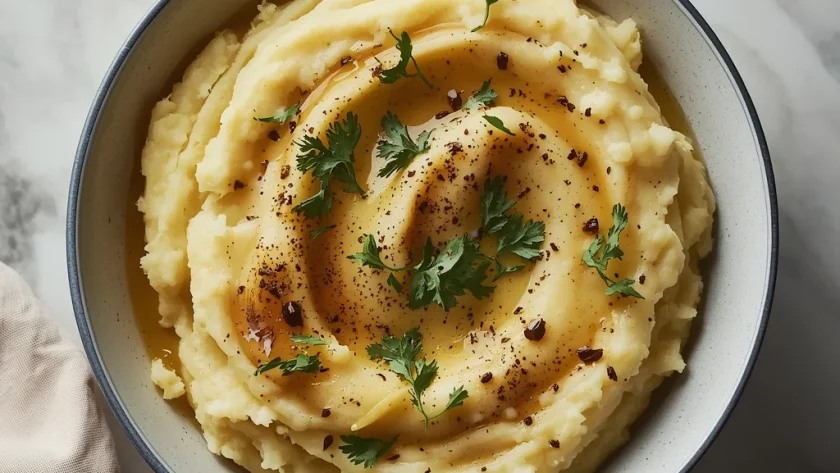
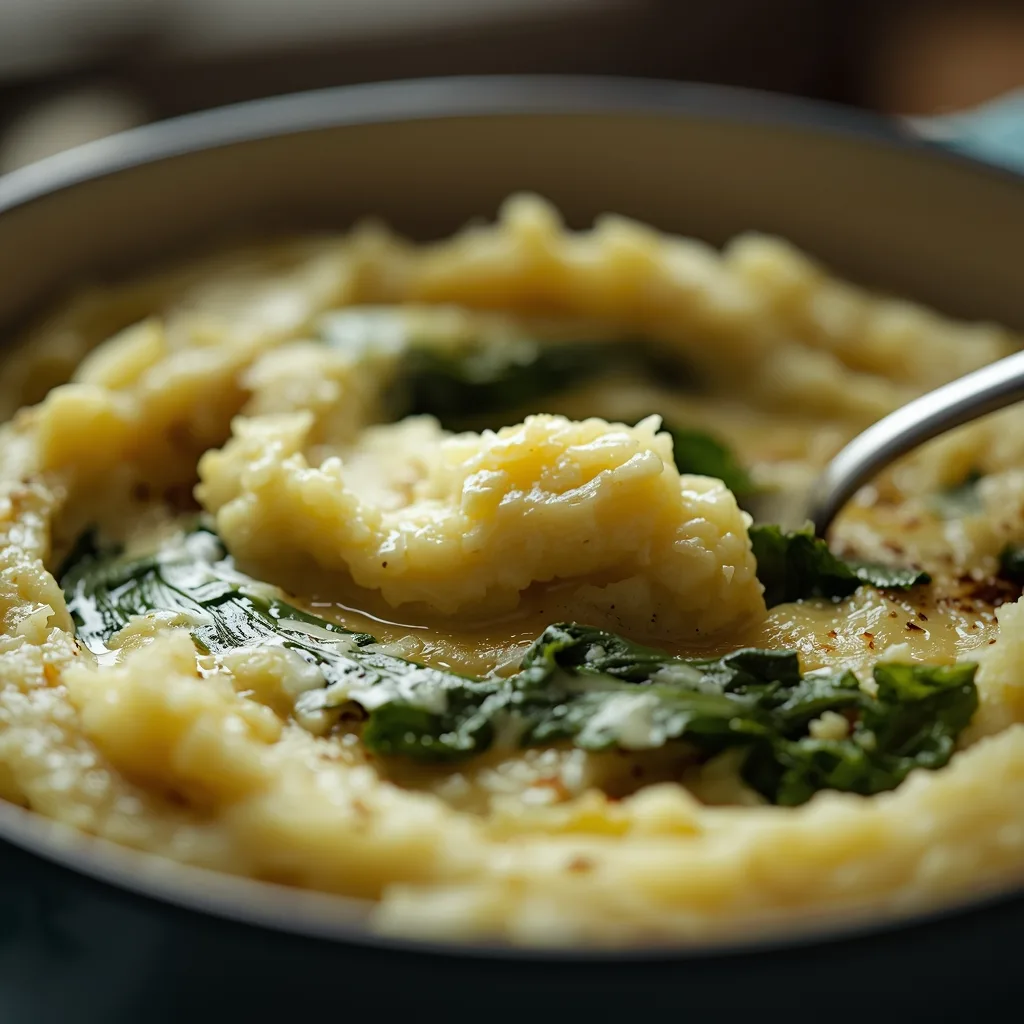
 If you’re looking for the ultimate in comforting, creamy mashed potatoes, you need to try this Mary Berry Colcannon Mash. It’s a rich Irish side dish where fluffy, buttery potatoes meet tender, sweet greens. The texture is incredibly smooth, with flecks of cabbage or kale adding a lovely colour and flavour.
This recipe takes about 50 minutes from start to finish and is perfect for a Sunday roast or a St. Patrick’s Day celebration. It’s beginner-friendly, but getting that perfect, non-gluey texture requires a few simple techniques. I’ll walk you through every step.
What Is Mary Berry Colcannon Mash?
Colcannon is a traditional Irish dish, essentially mashed potatoes enriched with cabbage or kale. This version is inspired by Mary Berry’s approach, which prioritises a flawless, creamy texture and balanced seasoning.
What sets it apart from regular mash is the double infusion of flavour. You cook the greens in butter first, then steep the scallions in the warm cream and milk. The result is a side dish that’s luxurious enough to be the star of the plate.
Gather These Fresh Ingredients for Mary Berry Colcannon Mash
Quality ingredients make all the difference here. You’ll notice the recipe uses both milk and cream for maximum richness.
The Potatoes & Greens
- Yukon Gold potatoes (2 lb / 900g) — Their naturally buttery flavour and low starch content make them ideal for a smooth, non-gluey mash. Russets can work but may require more liquid.
- Savoy cabbage or curly kale (1 cup / 115g) — Savoy cabbage wilts down sweetly, while kale offers a slightly earthier note. Both should be finely shredded for even distribution.
- Scallions (4 large) — These provide a gentle onion flavour without being overpowering. Use both the white and green parts.
The Dairy & Seasoning
- Unsalted butter (1/2 cup / 113g) — Using unsalted butter lets you control the salt level. A good portion is beaten into the hot potatoes for incredible richness.
- Whole milk (3/4 cup / 180ml) & heavy cream (1/2 cup / 120ml) — This combination is key for the luxurious texture. Warming them together with the scallions infuses the dairy.
- Fine sea salt (1 1/2 tsp) & black pepper (1/4 tsp) — Salting the potato water is crucial for flavour from the inside out. Always taste and adjust at the end.
Detailed Step-by-Step Instructions to Make Mary Berry Colcannon Mash
The process is simple but has a few critical stages. Here’s how I build the dish layer by layer.
- Cook the Potatoes — Start the peeled, chunked potatoes in cold salted water. Bringing them to a boil together ensures they cook evenly and absorb seasoning, preventing a bland or grainy centre.
- Wilt the Greens — While the potatoes simmer, cook the shredded cabbage or kale in a couple tablespoons of butter. You want them tender and vibrant, not browned or crispy. This step sweetens them perfectly.
- Infuse the Dairy — In the same pan, gently heat the milk, cream, and sliced scallions until steaming. Don’t let it boil. This quietly cooks the raw edge off the scallions and flavours the entire liquid.
- Drain and Dry — Once the potatoes are fork-tender, drain them well and let them steam-dry for a minute or two. Returning them to the warm, dry pot helps evaporate any last moisture, which is the enemy of fluffy mash.
- Mash Thoroughly — Mash the potatoes until completely smooth before adding any liquid. A potato ricer is my secret weapon for a lump-free texture, but a standard masher works if you’re diligent.
- Beat in Butter and Cream — Pour in the hot cream mixture and add the remaining butter in pieces. Beat vigorously with a wooden spoon until the mixture is light, fluffy, and all the butter is melted.
- Fold in the Greens — Gently fold the wilted greens into the creamy mash. Use a light hand here; overmixing at this stage can make the potatoes gluey.
- Serve Immediately — Taste for seasoning, then serve hot. I love making a well in the centre and adding one last cold pat of butter to melt into a golden pool.
Common Mistakes and How I Fixed Them
My first attempt at colcannon was a bit of a gluey disappointment. I learned through trial and error, and these are the fixes that made all the difference.
- Starting with hot water — I used to boil the water first to save time. This causes the outside of the potatoes to cook too fast, leaving the centre undercooked and creating a grainy mash when mixed. Always start them in cold water.
- Skipping the steam-dry — Draining and immediately mashing introduces too much water. Letting the potatoes sit in the colander for just two minutes allows that surface steam to evaporate.
- Adding cold dairy — Pouring cold milk and cream into hot potatoes cools everything down and makes the butter seize. Warming the dairy first keeps the mash hot and helps it absorb the fat smoothly.
- Overworking the final mix — Once the greens are added, vigorous stirring develops the potato starch too much. A gentle folding motion is all you need to combine them.
- Underseasoning the water — Potatoes need a lot of salt. Using only a pinch in the cooking water means you’ll have to over-salt at the end to compensate. That full teaspoon in the pot is essential.
What Pairs Perfectly with Mary Berry Colcannon Mash
This rich, creamy dish is a phenomenal side, but it also stands up beautifully as a main. Here are my favourite ways to serve it.
- Roast chicken or turkey — The mash soaks up the roasting juices beautifully, making it a classic Sunday dinner companion.
- Pan-seared sausages — Try it with good-quality pork or Cumberland sausages for a simple, hearty supper.
- Braised beef or lamb — A rich stew or slow-cooked shank needs a creamy, comforting base like this colcannon.
- Pan-fried fish — A piece of crispy-skinned salmon or cod sits wonderfully on a bed of this mash for a lighter meal.
- A fried egg — For a vegetarian main, top a generous portion with a runny-yolked fried egg. The yolk becomes a second sauce.
- Simple roasted vegetables — For a meat-free feast, pair it with roasted carrots, parsnips, and Brussels sprouts.
Pro Tips for Making Mary Berry Colcannon Mash
These small, actionable tips will elevate your results from good to restaurant-quality.
- Use a potato ricer — This single tool guarantees the smoothest, fluffiest texture possible by pressing the potatoes through fine holes. It’s worth the small investment if you mash potatoes often.
- Cut potatoes evenly — Aim for similar 2-inch chunks so they all finish cooking at the same time. Smaller pieces can become waterlogged.
- Keep the heat gentle on the greens — Cook the cabbage or kale over medium heat just until wilted. High heat will brown them, altering their sweet flavour.
- Warm your serving bowl — Mash cools quickly. Rinsing your serving bowl with hot water and drying it before filling will keep everything piping hot to the table.
- Reserve a garnish — Save a tablespoon of the cooked greens or some extra sliced scallions to sprinkle on top before serving for a fresh pop of colour.
- Beat with vigour — When adding the hot cream and butter, beat the mixture energetically. This incorporates air, which is what gives you that light, fluffy texture.
Inspiring Variations of Mary Berry Colcannon Mash
Once you’ve mastered the classic, try these simple twists to keep things interesting.
- Spring onion and chive — Replace the scallions with a bunch of finely chopped spring onions and add two tablespoons of fresh chives with the greens.
- Cheesy colcannon — Fold in 100g of grated strong cheddar or Gruyère cheese after you’ve beaten in the butter and cream.
- Bacon and cabbage — Fry 4 slices of chopped streaky bacon until crisp, remove, and use the bacon fat to cook the cabbage. Stir the crispy bacon back in at the end.
- Root vegetable mash — Substitute half the potatoes with peeled, chunked parsnips or celeriac for a deeper, earthier flavour.
- Garlic and herb infusion — Add two crushed garlic cloves to the milk and cream as it warms. Stir in a tablespoon of chopped parsley with the greens.
How to Store Mary Berry Colcannon Mash Properly
Leftovers are a cook’s best friend, but potatoes and dairy need careful handling.
- Cool completely before storing — Let the mash come to room temperature on the counter, which takes about an hour. Storing it hot creates condensation that makes it watery.
- Use an airtight container — Transfer the cooled colcannon to a container with a tight-fitting lid. This prevents it from absorbing other fridge odours.
- Refrigerate promptly — Get it into the fridge within two hours of cooking. It will keep well for up to 3 days.
- Portion for easy reheating — If you have a large batch, store it in individual portions. This makes reheating faster and more even.
Smart Reheating Tips for Mary Berry Colcannon Mash
Reheating mash can be tricky, as it tends to dry out. These methods help restore its creaminess.
- Stovetop method — Gently warm the leftovers in a saucepan over low heat. Stir frequently and add a splash of milk or cream to loosen it up as it heats.
- Oven method — Place the colcannon in an ovenproof dish, cover with foil, and reheat at 150°C for 20-25 minutes. A dot of butter on top before covering helps keep it moist.
- Avoid the microwave alone — Microwaving tends to heat unevenly and can make the potatoes rubbery. If you must, use a low power setting and stop to stir every 30 seconds.
FAQs
Can I make Mary Berry Colcannon Mash ahead of time?
You can prepare it a few hours in advance. Make the full recipe, transfer it to a heatproof dish, dot the top with butter, and cover. Reheat in a 150°C oven for 20-25 minutes until hot through, stirring once halfway.
What’s the best potato for mash?
Yukon Golds are ideal for this recipe. They have a naturally buttery flavour and a medium starch content, which yields a smooth, creamy mash that holds its shape well when mixed with the greens.
Can I use a different green?
Absolutely. Spring greens or even Brussels sprouts leaves work wonderfully. Just ensure whatever you use is finely shredded so it wilts quickly and integrates seamlessly into the soft mash.
Is Mary Berry Colcannon Mash freezer-friendly?
I don’t recommend freezing it. The dairy and potatoes tend to separate and become grainy upon thawing, resulting in a watery, less appealing texture. It’s best enjoyed fresh or refrigerated for a few days.
My mash is too stiff. How can I fix it?
Gently warm a little extra milk or cream in a saucepan. Gradually beat the warm liquid into the stiff mash until it reaches your desired consistency. Avoid adding cold liquid.
Nutritional Value
Nutrition is based on one serving, which is roughly a quarter of this recipe.
- Calories: 485
- Protein: 7g
- Fat: 35g
- Carbohydrates: 38g
- Fiber: 5g
- Sugar: 6g
- Sodium: Around 920mg
Try These Recipes
- Jamie Oliver’s Colcannon Mash
- Mary Berry Shepherd’s Pie with Crushed Potatoes
- Jamie Oliver-Inspired Mediterranean Lamb Meatballs (5-Ingredient)
- Hairy Bikers Leftover Lamb Shepherd’s Pie
Wrapping Up
This dish is a celebration of simple ingredients treated with care. It transforms humble potatoes and greens into something truly special for any dinner table.
I hope you feel confident giving this Mary Berry Colcannon Mash a try. It’s one of those recipes that feels like a warm hug on a plate. Let me know how yours turns out!
PrintMary Berry Colcannon Mash
A luxurious and comforting Irish mashed potato dish enriched with butter, cream, and tender cabbage or kale. This version, inspired by Mary Berry’s approach, achieves a perfectly smooth, creamy texture with flecks of vibrant green vegetable throughout. It’s the ultimate side dish for roasted meats or a satisfying vegetarian main.
- Prep Time: 20
- Cook Time: 30
- Total Time: 50
- Yield: 4 1x
- Category: Side Dish
- Method: Stovetop
- Cuisine: Irish
Ingredients
- 2 lb (about 900g) Yukon Gold potatoes, peeled and cut into 2-inch chunks
- 1 1/2 tsp fine sea salt, divided
- 1/2 cup (1 stick / 113g) unsalted butter, divided
- 1 cup (about 4 oz / 115g) Savoy cabbage or curly kale, finely shredded
- 3/4 cup (180ml) whole milk
- 1/2 cup (120ml) heavy cream
- 4 large scallions (green onions), thinly sliced
- 1/4 tsp freshly ground black pepper
- Extra butter for serving (optional)
Instructions
- Place the peeled and chunked potatoes in a large saucepan. Cover with cold water by at least 1 inch and add 1 teaspoon of the fine sea salt. Starting with cold water ensures the potatoes cook evenly from the outside in, preventing a grainy texture. Bring to a boil over high heat, then reduce to a steady simmer and cook for 15-20 minutes, or until the potatoes are completely tender when pierced with a fork.
- While the potatoes cook, prepare the greens. In a separate large skillet or Dutch oven, melt 2 tablespoons of the butter over medium heat. Once the butter has melted and just begins to foam, add the finely shredded cabbage or kale. Cook, stirring frequently, for 5-7 minutes until the greens have wilted and become tender but still retain a vibrant color. Avoid browning them; you want them soft and sweet, not crispy. Transfer the cooked greens to a bowl and set aside.
- In the same skillet (no need to wash it), combine the whole milk, heavy cream, and sliced scallions. Warm this mixture over medium-low heat until it is steaming hot and the scallions have softened slightly, about 3-4 minutes. Do not let it boil, as boiling can cause the cream to separate. This step infuses the dairy with the scallion flavor, which will distribute evenly through the mash.
- Once the potatoes are fork-tender, drain them thoroughly in a colander. Let them steam-dry in the colander for 1-2 minutes to evaporate excess surface moisture; wet potatoes will make a gluey mash. Return the dry, hot potatoes to the warm, empty saucepan. This residual heat helps keep the mash warm during the final mixing.
- Begin mashing the potatoes with a potato ricer, food mill, or standard masher until no large lumps remain. A ricer or mill yields the smoothest, most luxurious texture. If using a standard masher, work deliberately to eliminate all lumps before adding any liquid.
- Pour the hot milk and scallion mixture into the mashed potatoes. Add the remaining 6 tablespoons of butter, cut into small pieces, the remaining 1/2 teaspoon of salt, and the black pepper. Use a wooden spoon or a sturdy silicone spatula to beat the mixture vigorously until the butter is fully melted and incorporated, and the mash is smooth, creamy, and fluffy.
- Gently fold the reserved wilted cabbage or kale into the creamy mashed potatoes using a folding motion. Be careful not to overmix at this stage, as vigorous stirring can make the potatoes gluey. You just want to evenly distribute the green flecks throughout the white mash.
- Taste and adjust seasoning with additional salt and pepper if needed. For the final touch, make a well in the center of the colcannon in the serving dish and place an extra pat of cold butter in the center, allowing it to melt into a pool. Serve immediately while piping hot.
Notes
Storage: Cool completely, transfer to an airtight container, and refrigerate for up to 3 days. Reheating: Reheat gently in a saucepan over low heat, stirring frequently and adding a splash of milk or cream to restore creaminess. Alternatively, reheat in a covered ovenproof dish at 300°F / 150°C for 20-25 minutes until heated through. Freezing is not recommended, as the dairy and potato texture will become grainy and separate upon thawing.
Nutrition
- Calories: 485
- Sugar: 6g
- Sodium: 920mg
- Saturated Fat: 22g
- Carbohydrates: 38g
- Fiber: 5g
- Protein: 7g
- Cholesterol: 100mg
Keywords: Mary Berry colcannon, colcannon recipe, Irish mashed potatoes, creamy potato side dish, cabbage and potatoes, kale colcannon, St. Patrick’s Day recipe, comfort food, buttery mashed potatoes, winter side dish, family dinner, vegetarian side