 Ekani Ella
 Shortbread is one of those classic bakes that proves less is more. Just butter, sugar, and flour — yet the result is rich, crumbly, and deeply satisfying. When made properly, it melts gently in the mouth with a delicate snap on the outside.
This Paul Hollywood Shortbread focuses on precision. The balance of ingredients, the temperature of the butter, and gentle handling all make a difference. It’s simple, but not careless. Each step matters.
If you’ve ever made shortbread that spread too much or turned dry, this guide will help you get it just right.
What is Paul Hollywood Shortbread?
Paul Hollywood is known for respecting traditional baking methods. Shortbread is a classic Scottish biscuit that relies heavily on butter for both flavor and texture.
Unlike cookies, shortbread contains no eggs and very little liquid. The crumbly texture comes from a high butter content and minimal gluten development. That’s why gentle mixing is essential.
Think of shortbread as structured butter — rich, tender, and clean in flavor.
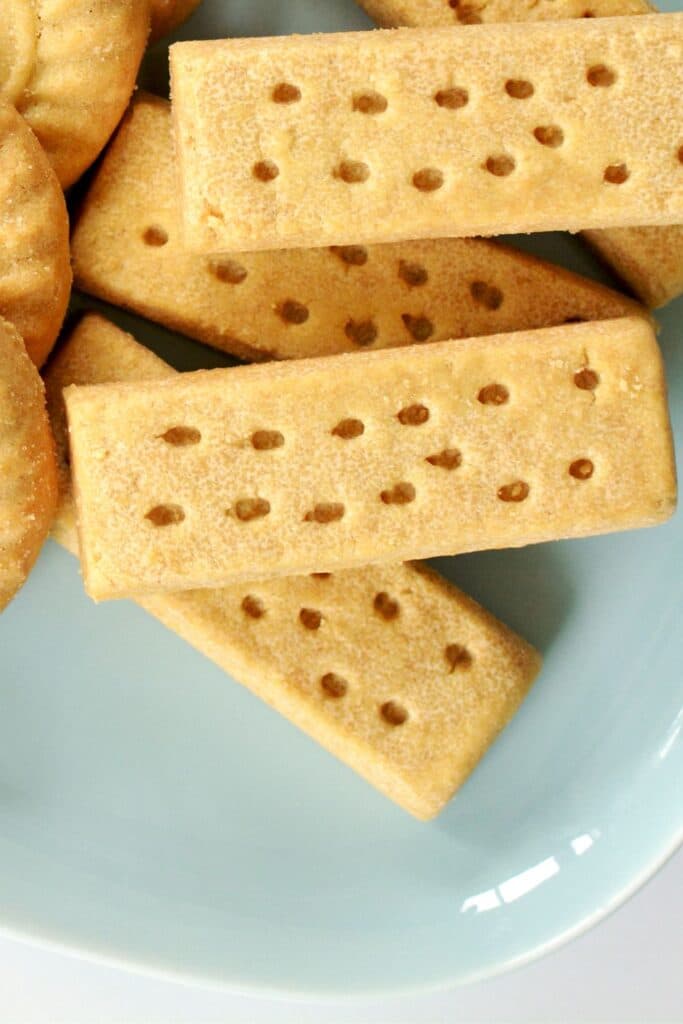
Ingredients You’ll Need for This Recipe
For the Base Dough
- 225 g unsalted butter, softened
- 100 g caster sugar
- 275 g plain flour
- 50 g cornflour
- Pinch of salt
Quality note: Use good-quality butter. Since shortbread relies heavily on butter, flavor matters greatly.
For Finishing
- 1–2 tablespoons caster sugar (for sprinkling)
Cornflour helps create a softer, melt-in-the-mouth texture.
Detailed Step-by-Step Instructions to Make Paul Hollywood Shortbread
Step 1: Preheat and Prepare
Preheat your oven to 170°C (340°F).
Line a baking tray or lightly grease a square tin if making traditional pressed shortbread.
Step 2: Cream Butter and Sugar
In a large bowl, beat softened butter and caster sugar until pale and smooth.
Do not overwhip. You want it creamy, not airy.
Step 3: Add Dry Ingredients
Sift together flour, cornflour, and salt.
Gradually add to the butter mixture, mixing gently until a soft dough forms.
Avoid overworking. Stop once combined.
Step 4: Shape the Shortbread
Option 1: Roll out the dough to about 1.5 cm thickness and cut into fingers or rounds.
Option 2: Press the dough evenly into a square tin and prick the surface with a fork.
Chill the dough for 20 minutes before baking to help maintain shape.
Step 5: Bake Gently
Bake for 20–25 minutes until pale golden at the edges.
Shortbread should not brown deeply. A light golden color is ideal.
Step 6: Finish and Cool
Sprinkle caster sugar lightly over the top while still warm.
Allow to cool completely before cutting if baked in a tin.
Cooling is essential — shortbread firms up as it sets.
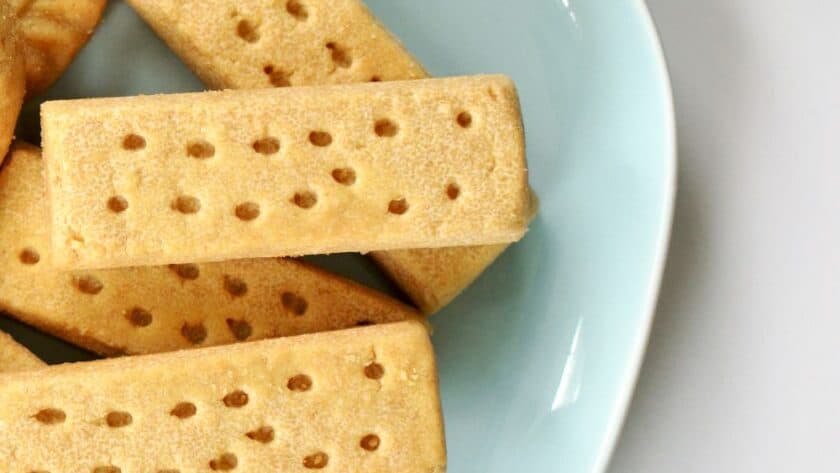
Common Mistakes and How I Fixed Them
Shortbread is simple, but easy to mishandle.
- I once overmixed the dough – Texture became tough. Gentle mixing solved it.
- Used butter too warm – Shortbread spread too much. Slightly soft, not melted, works best.
- Baked too long – Flavor became dry. Light golden edges are enough.
- Skipped chilling – Shapes lost definition. Chilling improves structure.
- Used poor-quality butter – Flavor lacked richness. Butter quality matters most.
What Pairs Perfectly with Paul Hollywood Shortbread
- Fresh Tea – classic British pairing.
- Strong Coffee – balances buttery sweetness.
- Fresh Berries – add brightness.
- Lemon Curd – contrasts richness.
- Vanilla Ice Cream – transforms it into a dessert.
Pro Tips for Making Paul Hollywood Shortbread
- Use high-quality butter – It defines the flavor.
- Measure flour accurately – Too much makes it dry.
- Mix gently – Prevent gluten development.
- Chill before baking – Maintains shape.
- Bake until pale golden – Avoid over-browning.
- Let cool fully – Texture improves as it sets.
- Store airtight – Preserves freshness.
Inspiring Variations of Paul Hollywood Shortbread
- Chocolate-Dipped Version – Dip cooled fingers in melted dark chocolate.
- Lemon Zest Addition – Adds brightness.
- Lavender Infusion – Subtle floral twist.
- Almond Extract Swap – Nutty depth.
- Salted Caramel Drizzle – Modern contrast.
- Orange Zest Twist – Light citrus aroma.
How to Store Paul Hollywood Shortbread Properly
- Cool completely before storing – Prevents moisture buildup.
- Store in an airtight container – Keeps fresh up to 1 week.
- Separate layers with parchment – Maintains texture.
- Freeze dough if needed – Lasts up to 1 month.
- Avoid humid storage – Can soften the crumb.
Smart Reheating Tips for Paul Hollywood Shortbread
Shortbread does not require reheating. If slightly softened, place in a low oven (150°C / 300°F) for 3–5 minutes to refresh texture.
Allow to cool again before serving.
Nutritional Value (Per Piece Approx.)
- Calories: ~180 kcal
- Protein: ~2 g
- Carbohydrates: ~18 g
- Fat: ~11 g
- Fiber: ~0.5 g
Try Other Paul Hollywood Recipes
- Paul Hollywood Blueberry Muffins
- Paul Hollywood Bread Rolls
- Paul Hollywood Banana Bread
- Paul Hollywood Soda Bread
- Paul Hollywood Cheese Scones
Paul Hollywood Shortbread Recipe
Paul Hollywood is known for respecting traditional baking methods. Shortbread is a classic Scottish biscuit that relies heavily on butter for both flavor and texture.
- Prep Time: 15
- Cook Time: 25
- Total Time: 40 minutes
- Yield: 16 pieces 1x
- Category: Biscuit
- Method: Baking
- Cuisine: British
Ingredients
For the Base Dough
-
225 g unsalted butter, softened
-
100 g caster sugar
-
275 g plain flour
-
50 g cornflour
-
Pinch of salt
Quality note: Use good-quality butter. Since shortbread relies heavily on butter, flavor matters greatly.
For Finishing
-
1–2 tablespoons caster sugar (for sprinkling)
Instructions
Preheat your oven to 170°C (340°F).
Line a baking tray or lightly grease a square tin if making traditional pressed shortbread.
In a large bowl, beat softened butter and caster sugar until pale and smooth.
Do not overwhip. You want it creamy, not airy.
Sift together flour, cornflour, and salt.
Gradually add to the butter mixture, mixing gently until a soft dough forms.
Avoid overworking. Stop once combined.
Option 1: Roll out the dough to about 1.5 cm thickness and cut into fingers or rounds.
Option 2: Press the dough evenly into a square tin and prick the surface with a fork.
Chill the dough for 20 minutes before baking to help maintain shape.
Bake for 20–25 minutes until pale golden at the edges.
Shortbread should not brown deeply. A light golden color is ideal.
Sprinkle caster sugar lightly over the top while still warm.
Allow to cool completely before cutting if baked in a tin.
Cooling is essential — shortbread firms up as it sets.
FAQs
Why did my shortbread spread too much in the oven?
Shortbread usually spreads if the butter is too soft or the dough wasn’t chilled before baking. Make sure the butter is softened but not melted, and chill the shaped dough for at least 20 minutes before placing it in the oven. This helps the fat firm up and keeps the shortbread from losing its shape.
How do I get shortbread to have a crumbly texture?
A crumbly texture comes from the correct butter-to-flour ratio and minimal mixing. Do not overwork the dough, as this develops gluten and makes the shortbread tough. Adding a small amount of cornflour also helps create that classic melt-in-the-mouth finish.
Why is my shortbread hard instead of tender?
Shortbread becomes hard if it’s overbaked or if too much flour was added. Bake only until the edges turn lightly golden — the center should remain pale. Accurate measuring is important, as extra flour dries out the texture.
Should I cut shortbread before or after baking?
If baking shortbread in a tin, score or lightly mark the portions while it is still warm, then allow it to cool completely before cutting fully. This prevents cracking and helps achieve clean, neat slices.
Wrapping Up
Paul Hollywood Shortbread proves that classic baking relies on quality ingredients and careful handling. With butter at the center and minimal mixing, you achieve a tender, crumbly biscuit every time.
Simple. Traditional. Reliable. Once you master the balance, this shortbread becomes a staple in your baking routine.