
 Ekani Ella
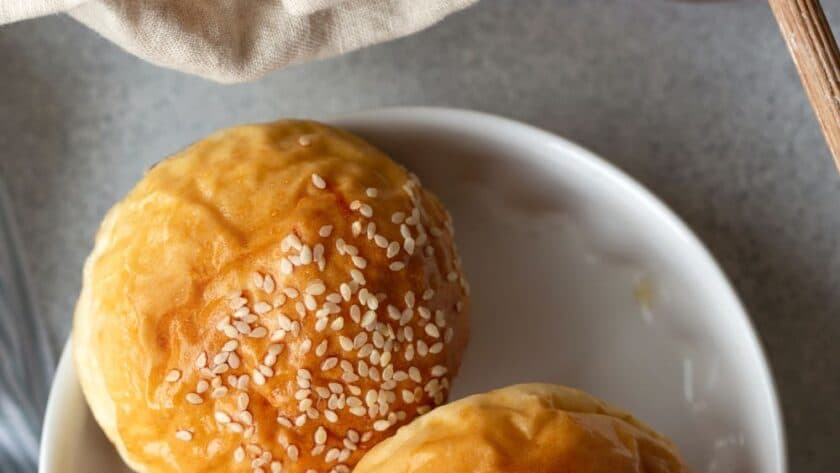
 There’s nothing quite like the smell of freshly baked bread rolls. The crust crackles slightly as they cool, and the inside stays soft and airy. Simple ingredients. Honest technique. Big reward.
These Paul Hollywood Bread Rolls focus on strong structure, proper kneading, and good proving. When done right, you get rolls that are golden outside and fluffy inside — perfect for sandwiches, soups, or simply warm with butter.
If you’ve ever been nervous about baking bread, this recipe will walk you through it clearly and confidently.
What are Paul Hollywood Bread Rolls?
Paul Hollywood is known for precise bread-making techniques and strong gluten development. His bread rolls follow a traditional white dough method using strong bread flour and yeast.
The key to success lies in kneading. Proper gluten formation creates structure. That structure traps air. And trapped air gives you light, airy rolls.
Think of it like building a balloon from flour and water. Without structure, it collapses. With proper kneading, it rises beautifully.
Ingredients You’ll Need for This Recipe
For the Dough Base
- 500 g strong white bread flour
- 10 g salt
- 7 g instant yeast (1 sachet)
Quality note: Always use strong bread flour. It has higher protein content, which helps develop gluten.
For the Liquid
- 300 ml lukewarm water
- 2 tablespoons olive oil
Lukewarm water activates the yeast properly. Too hot can kill it.
Optional for Finishing
- Extra flour for dusting
- Milk or water for brushing (for softer crust)
Detailed Step-by-Step Instructions to Make Paul Hollywood Bread Rolls
Step 1: Mix the Dough
In a large bowl, add flour to one side and salt to the other. Place the yeast on the opposite side from the salt.
Add olive oil and most of the lukewarm water. Mix using your hand or a wooden spoon. Gradually add remaining water until a soft dough forms.
The dough should feel slightly sticky but manageable.
Step 2: Knead Properly
Transfer dough to a lightly floured surface.
Knead for 8–10 minutes until smooth and elastic. Stretch the dough away from you, fold it back, and repeat rhythmically.
You’ll know it’s ready when the dough springs back when pressed lightly.
This step builds strength and structure.
Step 3: First Prove
Place the dough in a lightly oiled bowl. Cover with a clean cloth.
Let it rise in a warm place for 1–2 hours until doubled in size.
The dough should look airy and expanded.
Step 4: Shape the Rolls
Tip the dough onto a floured surface and gently knock back to remove excess air.
Divide into 8 equal pieces. Shape each piece into a smooth ball by tucking the edges underneath.
Place on a lined baking tray, leaving space between each roll.
Step 5: Second Prove
Cover loosely and allow to rise again for 45–60 minutes until doubled.
This second proving improves texture and lightness.
Step 6: Bake to Golden Perfection
Preheat oven to 220°C (430°F).
Lightly dust rolls with flour or brush with milk for a softer finish.
Bake for 15–20 minutes until golden brown and hollow-sounding when tapped underneath.
Cool on a wire rack before serving.
Common Mistakes and How I Fixed Them
Bread teaches patience.
- I once rushed kneading – Rolls were dense. Proper kneading improves texture.
- Used hot water – Yeast failed to activate. Lukewarm works best.
- Didn’t allow full proving – Rolls were tight inside. Give them time.
- Added too much flour while kneading – Dough became dry. Use minimal flour.
- Skipped the second proof – Texture suffered. It’s an important step.
Each mistake improved my understanding of the process.
What Pairs Perfectly with Paul Hollywood Bread Rolls
- Homemade Soup – Perfect for dipping.
- Roast Beef Sandwich – Soft inside holds fillings well.
- Scrambled Eggs – Ideal breakfast pairing.
- Cheese and Butter – Simple and satisfying.
- Burgers – Work as homemade buns.
Pro Tips for Making Paul Hollywood Bread Rolls
- Use strong flour – Essential for structure.
- Keep yeast and salt separate initially – Prevents interference.
- Knead confidently – Builds gluten strength.
- Allow full proving time – Don’t rush rising.
- Check oven temperature – High heat ensures a good rise.
- Create steam in oven – Place a small tray of water inside for ba etter crust.
- Cool before slicing – Structure sets as it cools.
Inspiring Variations of Paul Hollywood Bread Rolls
- Seeded Topping – Sprinkle sesame or poppy seeds before baking.
- Wholemeal Blend – Replace part of white flour with wholemeal.
- Garlic Butter Finish – Brush melted garlic butter after baking.
- Herb Addition – Mix dried herbs into the dough.
- Cheese Rolls – Add grated cheddar into the dough.
- Mini Dinner Rolls – Shape smaller portions for parties.
Each variation builds on the same dependable method.
How to Store Paul Hollywood Bread Rolls Properly
- Cool completely first – Prevents condensation.
- Store in an airtight bag – Keeps soft for 2 days.
- Freeze individually – Lasts up to 2 months.
- Avoid refrigeration – Can dry them out.
- Reheat briefly before serving – Refreshes texture.
Fresh bread is always best, but proper storage helps maintain quality.
Smart Reheating Tips for Paul Hollywood Bread Rolls
Reheat in a preheated oven at 180°C (350°F) for 5–7 minutes.
For frozen rolls, thaw at room temperature, then warm briefly.
Avoid microwaving if possible, as it can make the crust rubbery.
Nutritional Value (Per Roll Approx.)
- Calories: ~210 kcal
- Protein: ~6 g
- Carbohydrates: ~35 g
- Fat: ~4 g
- Fiber: ~2 g
Try Other Paul Hollywood Recipes
- Paul Hollywood Blueberry Muffins
- Paul Hollywood Banana Bread
- Paul Hollywood Soda Bread
- Paul Hollywood Cheese Scones
- Paul Hollywood Shortbread
Paul Hollywood Bread Rolls
Paul Hollywood is known for precise bread-making techniques and strong gluten development. His bread rolls follow a traditional white dough method using strong bread flour and yeast.
The key to success lies in kneading. Proper gluten formation creates structure. That structure traps air. And trapped air gives you light, airy rolls.
- Prep Time: 20
- Cook Time: 18
- Total Time: 38 minutes
- Yield: 8 rolls 1x
- Category: Breakfast
- Method: Baking
- Cuisine: British
Ingredients
For the Dough Base
-
500 g strong white bread flour
-
10 g salt
-
7 g instant yeast (1 sachet)
Quality note: Always use strong bread flour. It has higher protein content, which helps develop gluten.
For the Liquid
-
300 ml lukewarm water
-
2 tablespoons olive oil
Lukewarm water activates the yeast properly. Too hot can kill it.
Optional for Finishing
-
Extra flour for dusting
-
Milk or water for brushing (for softer crust)
Instructions
In a large bowl, add flour to one side and salt to the other. Place yeast on the opposite side from the salt.
Add olive oil and most of the lukewarm water. Mix using your hand or a wooden spoon. Gradually add remaining water until a soft dough forms.
The dough should feel slightly sticky but manageable.
Transfer dough to a lightly floured surface.
Knead for 8–10 minutes until smooth and elastic. Stretch the dough away from you, fold it back, and repeat rhythmically.
You’ll know it’s ready when the dough springs back when pressed lightly.
This step builds strength and structure.
Place the dough in a lightly oiled bowl. Cover with a clean cloth.
Let it rise in a warm place for 1–2 hours until doubled in size.
The dough should look airy and expanded.
Tip the dough onto a floured surface and gently knock back to remove excess air.
Divide into 8 equal pieces. Shape each piece into a smooth ball by tucking the edges underneath.
Place on a lined baking tray, leaving space between each roll.
Cover loosely and allow to rise again for 45–60 minutes until doubled.
This second proving improves texture and lightness.
Preheat oven to 220°C (430°F).
Lightly dust rolls with flour or brush with milk for a softer finish.
Bake for 15–20 minutes until golden brown and hollow-sounding when tapped underneath.
Cool on a wire rack before serving.
FAQs
Why didn’t my bread rolls rise properly?
Bread rolls may not rise if the yeast is inactive or the proving environment is too cold. Always check that your yeast is within its expiry date and use lukewarm water (not hot) to activate it. Let the dough prove in a warm, draft-free place until it has doubled in size. Rushing the proving time often results in dense rolls.
How do I know when the dough has been kneaded enough?
The dough is properly kneaded when it becomes smooth, elastic, and slightly springy to the touch. You can test it using the “windowpane test.” Stretch a small piece of dough gently between your fingers — if it forms a thin membrane without tearing, the gluten has developed well.
Can I make bread rolls without strong bread flour?
You can use plain flour, but the texture will be softer and less structured. Strong bread flour contains more protein, which helps develop gluten and gives rolls their airy interior. For best results, use strong white bread flour.
Why are my bread rolls dense instead of fluffy?
Dense rolls usually result from under-kneading, insufficient proving time, or adding too much flour. Make sure you knead for at least 8–10 minutes to build gluten. Allow the dough to double in size during both proving stages, and avoid over-flouring the work surface.
Wrapping Up
Paul Hollywood Bread Rolls show how technique transforms basic ingredients into something comforting and satisfying. With proper kneading and patient proving, you create rolls that are soft inside and golden outside.
Once you master this method, baking bread feels less intimidating and more rewarding. Warm, fresh rolls from your own oven — it’s a simple pleasure that never disappoints.