 Ekani Ella
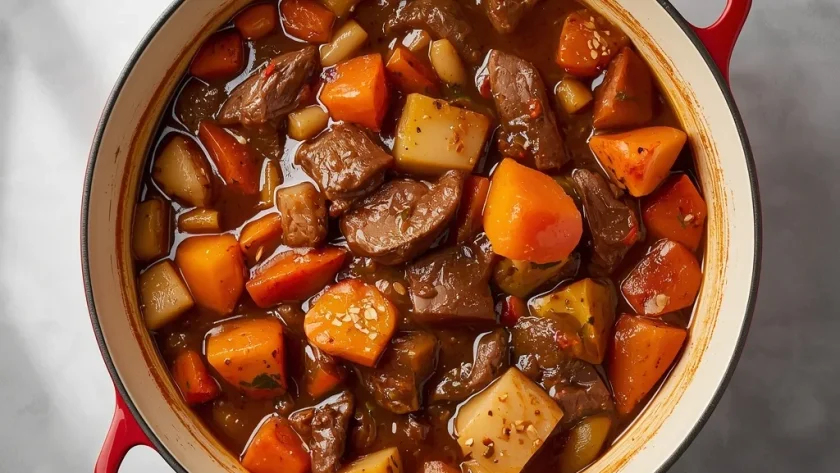
 When I want a no-fuss, deeply satisfying meal that fills the kitchen with incredible aromas, I turn to this Hairy Bikers Beef Casserole. It’s the very definition of British comfort food—tender beef in a rich, savory gravy with soft root vegetables. The slow oven bake transforms simple ingredients into something special with minimal hands-on effort.
This is a perfect project for a lazy Sunday or a chilly evening when you want something bubbling away in the oven. The total time is around three hours, but most of that is hands-off. I’d call it beginner-friendly, as the steps are straightforward. The only part requiring attention is properly browning the beef, but I’ll walk you through that.
What Is Hairy Bikers’ Beef Casserole?
At its core, this dish is a traditional slow-cooked beef stew. What makes it special is the approach used by Si and Dave of the Hairy Bikers: properly searing the beef to lock in flavor, adding a generous splash of red wine for richness, and letting it cook slowly in the oven. This method creates tender meat and a deeply flavorful gravy.
Unlike quicker stovetop versions, oven cooking provides steady, even heat. This helps the casserole cook gently without sticking or burning at the base. The result is a comforting one-pot meal that feels both simple and satisfying—perfect for family dinners.
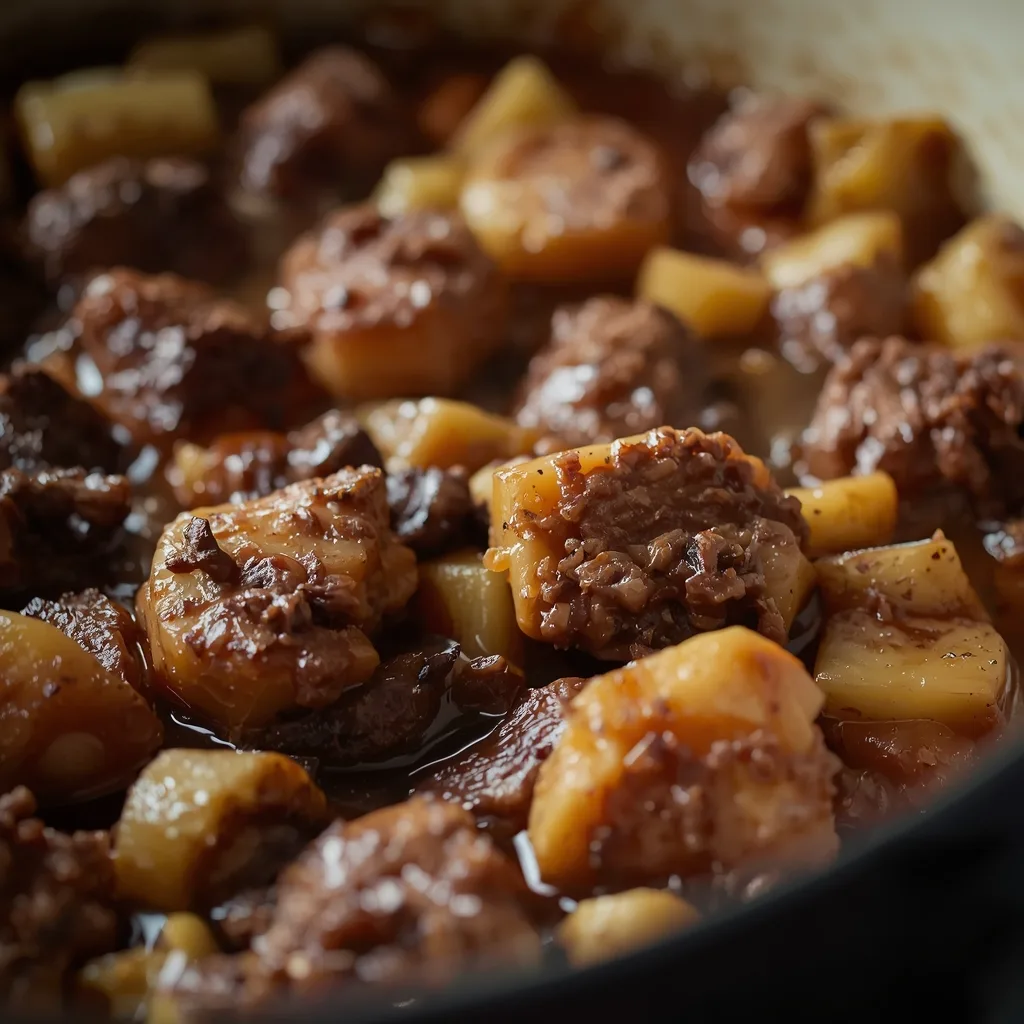
Gather These Fresh Ingredients for Hairy Bikers’ Beef Casserole
You likely have many of these staples already. The key is starting with good, stewing beef and a decent wine for the best flavor.
The Beef & Coating
- 1.5 lb beef chuck roast, cut into 1-inch cubes — Chuck is ideal for braising as its marbling breaks down into tenderness. Avoid lean cuts like sirloin, which can toughen.
- 1/4 cup all-purpose flour — This creates a crust for browning and is the secret to a beautifully thickened sauce later on.
- 1 tsp kosher salt & 1/2 tsp black pepper — Seasoning the flour ensures the beef itself is well-seasoned, not just the sauce.
Aromatics & Vegetables
- 1 large yellow onion, finely diced — The foundation of flavor. A fine dice helps it melt into the gravy.
- 2 medium carrots, sliced into rounds — They add a touch of sweetness and hold their shape well during the long cook.
- 2 celery stalks, chopped — Provides an earthy, savory note that balances the sweetness of the carrots and onion.
- 3 cloves garlic, minced — Added after the other veggies to prevent burning, it gives a wonderful background aroma.
- 1 lb small potatoes, quartered (optional) — Adding them makes this a complete one-pot meal. Waxy potatoes like Charlotte or baby new potatoes work best.
For the Rich Sauce
- 2 tbsp tomato paste — This isn’t for tomato flavor, but for umami depth and color. Cook it briefly with the garlic to mellow its acidity.
- 1 cup dry red wine (like Cabernet Sauvignon) — Use a wine you’d actually drink. It deglazes the pan and adds complexity. Non-alcoholic sub: use extra beef broth with a tablespoon of red wine vinegar.
- 2 cups beef broth — The main cooking liquid. A good-quality stock makes a noticeable difference here.
- 1 bay leaf & 1 tsp dried thyme — The classic herb pairing for a British stew. Don’t skip the bay leaf; its subtle fragrance is key.
The Cooking Fat
- 2 tbsp olive oil — For searing. A neutral oil with a high smoke point, like vegetable or rapeseed, also works perfectly.
Detailed Step-by-Step Instructions to Make Hairy Bikers Beef Casserole
The process is a satisfying rhythm of sear, sauté, deglaze, and bake. Here’s exactly how I do it.
- Prep Everything First — Preheat your oven to 325°F (163°C). Dice the onion, slice the carrots, chop the celery, mince the garlic, and quarter the potatoes. Having your mise en place ready makes the cooking flow smoothly and prevents burning.
- Coat the Beef — In a large bowl, toss the beef cubes with the flour, salt, and pepper until each piece is evenly coated. I give the bowl a good shake—it’s less messy than trying to stir it with a spoon.
- Sear the Beef (Don’t Rush This) — Heat the oil in a large Dutch oven over medium-high heat until it shimmers. Add the beef in a single layer, working in batches. Sear for 3-4 minutes per side until you get a deep brown crust. Crowding the pan is the biggest mistake here; it steams the meat instead of browning it.
- Soften the Onion — Reduce the heat to medium. Add the diced onion to the pot and cook for about 5 minutes, stirring occasionally. Use this time to scrape up all those delicious browned bits (the fond) from the bottom—that’s pure flavor.
- Add the Remaining Veg — Stir in the carrots and celery and cook for another 5 minutes. You just want them to start softening at the edges; they’ll finish cooking in the oven.
- Bloom the Garlic and Paste — Add the minced garlic and tomato paste, stirring constantly for about 1 minute. You’ll smell the garlic and the tomato paste will darken slightly. This step cooks out the raw taste.
- Deglaze with Wine — Pour in the red wine, scraping the bottom of the pot vigorously with a wooden spoon. Let it simmer for 2-3 minutes. This reduces the wine slightly, concentrating its flavor and removing the harsh alcohol edge.
- Combine and Simmer — Return the seared beef (and any juices) to the pot. Add the beef broth, bay leaf, and thyme. Give it a good stir and bring it to a gentle simmer over medium heat.
- Add Potatoes and Cover — If you’re using the potatoes, nestle them into the liquid now. Put the lid on your pot—this traps the moisture for braising.
- Bake Until Tender — Carefully transfer the covered pot to the preheated oven. Bake for 2 to 2.5 hours. I check it halfway through, giving it a very gentle stir to ensure nothing is sticking. The beef should be completely fork-tender.
- Rest and Skim — Take the pot out and let it sit, uncovered, for 10 minutes. This allows the flavors to settle and makes it easy to skim off any excess fat that rises to the surface with a spoon.
- Final Seasoning Check — Taste the gravy. It will likely need another pinch of salt and pepper. Crucially, find and remove the bay leaf before serving.
- Serve and Enjoy — Ladle it into deep bowls. It’s rich, thick, and aromatic. Crusty bread for dunking is non-negotiable in my house.
Common Mistakes and How I Fixed Them
I’ve made this dish dozens of times, and I’ve learned from every hiccup. Here’s what tripped me up early on.
- Underseasoned Beef — Simply salting the stew at the end isn’t enough. I learned to season the flour generously, which seasons the meat from the inside as it cooks, creating a flavorful foundation.
- Crowded Pan for Browning — Impatiently adding all the beef at once was a disaster. It released too much liquid and steamed. Now, I sear in batches, always waiting for that proper sizzle when the meat hits the oil.
- Skipping the Wine Reduction — I once just poured in the wine and immediately added the broth. The finished stew had a sharp, boozy note. Letting it simmer for those few minutes to cook off the raw alcohol makes all the difference.
- Overcooking the Garlic — Adding garlic with the onions means it can burn over the longer cooking time. Adding it later, just before the tomato paste, ensures its flavor stays sweet and aromatic, not bitter.
- Peeking Too Often — I used to take the lid off every 30 minutes to “check.” Each time, valuable heat and steam escaped, adding to the cooking time. Trust the process and only check once at the halfway mark.
- Forgetting the Bay Leaf — It seems small, but leaving the bay leaf in while serving can lead to an unpleasant, bitter mouthful. I make a habit of fishing it out as soon as the pot comes out of the oven.
What Pairs Perfectly with This Hearty Dish
This casserole is a complete meal, but a few simple sides can turn it into a feast.
- Crusty Bread or Rolls — Essential for mopping up every last drop of that glorious gravy. A baguette or some warm, buttered Irish soda bread is perfect.
- Buttery Mashed Potatoes — If you didn’t add potatoes to the stew, serving it over a mound of fluffy, buttery mash is the ultimate comfort food combination.
- Simple Green Veg — Steamed green beans, buttered peas, or shredded Brussels sprouts sautéed with a little garlic add a fresh, bright contrast to the rich stew.
- Yorkshire Puddings — For a truly classic British Sunday dinner experience, serve individual Yorkshire puddings on the side to fill with stew and gravy.
- A Robust Red Wine — Serve the same wine you cooked with. A glass of Cabernet Sauvignon or a Malbec stands up beautifully to the deep, meaty flavors.
Pro Tips for the Best Results
These small tweaks, learned from repetition, will elevate your casserole from good to exceptional.
- Pat the beef dry before tossing it in the flour. A damp surface prevents a good sear and can make the flour clump.
- Choose the right pot. A heavy-based, oven-safe Dutch oven with a tight-fitting lid is ideal. It distributes heat evenly and retains moisture perfectly.
- Resist the urge to stir the stew during the first hour of baking. Let the heat work its magic undisturbed to develop the flavors and textures.
- Check for doneness by piercing a piece of beef with a fork. It should offer no resistance and almost fall apart. If not, give it another 15-20 minutes.
- Make it ahead. Stews almost always taste better the next day. Let it cool, refrigerate overnight, and gently reheat. The flavors deepen wonderfully.
- Thicken the gravy if needed by mixing a tablespoon of flour with two tablespoons of cold water into a slurry. Stir it into the simmering stew on the stovetop for a few minutes after baking.
Inspiring Variations Worth Trying
Once you’ve mastered the base recipe, it’s fun to play with the formula. Here are a few of my favorite twists.
- Guinness Beef Stew — Replace the red wine with a bottle of Guinness stout for a malty, deeply rich flavor profile that’s perfect for St. Patrick’s Day.
- Mushroom and Pearl Onion — Add a cup of sliced chestnut mushrooms when you cook the carrots. In the last 30 minutes of baking, stir in a cup of thawed frozen pearl onions.
- Herb-Infused Version — Swap the dried thyme for a tablespoon of chopped fresh rosemary. Its piney fragrance pairs wonderfully with the beef.
- Root Vegetable Medley — Along with the carrots, add chunks of parsnip and swede (rutabaga) for a sweeter, earthier vegetable mix.
- Smoky Paprika Twist — Add a teaspoon of smoked paprika to the flour when coating the beef. It gives the whole dish a subtle, warming smokiness.
How to Store Your Leftovers Properly
This casserole is arguably even better as leftovers. Here’s how to keep it at its best.
- Cool Completely Before Storing — Never put a hot pot straight into the fridge. Let it cool on the counter for an hour, then transfer it. This prevents condensation and bacterial growth.
- Airtight Containers Are Key — Store the stew in sealed containers in the fridge. Glass containers with locking lids are my preference as they don’t retain odors.
- Refrigerator Shelf Life — It will keep well for 3 to 4 days. The flavors continue to meld and improve over the first day or two.
- Freezing for Longevity — Portion it into freezer-safe bags or containers, leaving an inch of space for expansion. It freezes beautifully for up to 3 months. Label with the date!
- Potato Note for Freezing — If you’ve added potatoes, be aware they can become a little grainy upon thawing. It still tastes great, but the texture changes slightly.
Smart Reheating Tips
Gentle, even heat is the goal to bring your stew back to life without overcooking the beef.
- The Oven Method — Transfer thawed stew to an oven-safe dish, cover with foil, and reheat at 350°F (177°C) for 20-30 minutes, until piping hot throughout. This is the best method for preserving texture.
- Stovetop Revival — Gently reheat in a saucepan over low heat, stirring occasionally. You may need to add a small splash of water or broth if the sauce has thickened too much in the fridge.
- Microwave in a Pinch — Place a single portion in a microwave-safe bowl, cover loosely, and heat on medium power in 60-second bursts, stirring between each, until hot.
FAQs
Can I make Hairy Bikers Beef Casserole in a slow cooker?
Absolutely. Follow steps 1-7 to sear the beef and cook the aromatics on the stove. Then transfer everything to your slow cooker, add the broth and herbs, and cook on LOW for 7-8 hours or on HIGH for 4-5 hours.
What cut of beef is best if I can’t find chuck?
Look for any cut labeled good for braising or stewing. Beef shin, brisket (cut into cubes), or even braising steak are all excellent alternatives. You want a cut with some connective tissue that will break down.
Can I freeze Hairy Bikers Beef Casserole?
Yes, it freezes exceptionally well. Cool it completely, then portion into airtight containers or heavy-duty freezer bags. It will keep its quality for up to 3 months. Thaw overnight in the fridge before reheating.
My sauce is too thin. How can I thicken it?
The easiest way is to mix equal parts softened butter and flour into a paste (a beurre manié). Whisk small bits of it into the simmering stew on the stovetop until it reaches your desired consistency.
How long does it last in the fridge?
Properly stored in an airtight container, your leftovers will be delicious for 3 to 4 days. Always reheat until it is steaming hot all the way through.
Can I make it without alcohol?
Of course. Simply omit the red wine and use an additional cup of beef broth mixed with a tablespoon of balsamic or red wine vinegar to mimic the acidity and depth.
Nutritional Value
These figures are for one serving, assuming the recipe serves four people and includes the optional potatoes.
- Calories: 728
- Protein: 39g
- Fat: 38g
- Carbohydrates: 44g
- Fiber: Around 5g
- Sugar: 10g
- Sodium: Roughly 880mg
Wrapping Up
This dish is a testament to the magic of slow cooking. It asks for a little patience but rewards you with immense flavor and comfort. Whether it’s for a family dinner or a meal prep solution for the week, this Hairy Bikers Beef Casserole never fails to deliver. I hope you give it a try and find it as satisfying to make as it is to eat.
PrintHairy Bikers Beef Casserole
A hearty and comforting British beef casserole with tender chunks of beef, root vegetables, and a rich savory gravy. Slow-baked to perfection, this dish is ideal for a cozy family dinner.
- Prep Time: 20
- Cook Time: 160
- Total Time: 180
- Yield: 4 1x
- Category: Main Course
- Method: Oven
- Cuisine: British
Ingredients
- 1.5 lb beef chuck roast, cut into 1-inch cubes
- 1/4 cup all-purpose flour
- 1 tsp kosher salt
- 1/2 tsp freshly ground black pepper
- 2 tbsp olive oil
- 1 large yellow onion, finely diced
- 2 medium carrots, sliced into 1/2-inch rounds
- 2 celery stalks, chopped
- 3 cloves garlic, minced
- 2 tbsp tomato paste
- 1 cup dry red wine (such as Cabernet Sauvignon)
- 2 cups beef broth
- 1 bay leaf
- 1 tsp dried thyme
- 1 lb small potatoes, quartered (optional)
Instructions
- Preheat the oven to 325°F / 163°C. Prepare all ingredients: dice the onion, slice the carrots, chop the celery, mince the garlic, and quarter the potatoes if using. This ensures efficient cooking and even texture in the final dish.
- In a large bowl, toss the beef cubes with 1/4 cup all-purpose flour, 1 tsp kosher salt, and 1/2 tsp black pepper until evenly coated. The flour helps to brown the beef properly and thicken the casserole sauce during cooking.
- Heat 2 tbsp olive oil in a large Dutch oven or oven-safe pot over medium-high heat until the oil shimmers. Working in batches to avoid crowding, add the floured beef cubes and sear for 3-4 minutes per side until deeply browned. Transfer browned beef to a plate; crowding the pan steams the meat instead of searing it.
- Reduce heat to medium. Add the diced onion to the pot and cook for 5 minutes, stirring occasionally, until softened and translucent. Scrape up any browned bits from the bottom to build flavor in the sauce.
- Add the sliced carrots and chopped celery, cooking for another 5 minutes until the vegetables begin to soften but still hold their shape. This step enhances sweetness and texture in the casserole.
- Stir in the minced garlic and 2 tbsp tomato paste, cooking for 1 minute until fragrant. The tomato paste adds depth and richness; avoid burning it by keeping the heat medium.
- Pour in 1 cup dry red wine to deglaze the pot, scraping the bottom vigorously to release all caramelized bits. Let it simmer for 2-3 minutes until the wine reduces slightly, which concentrates the flavor and removes alcohol harshness.
- Add the seared beef back to the pot, along with 2 cups beef broth, 1 bay leaf, and 1 tsp dried thyme. Bring to a gentle simmer over medium heat, stirring to combine all ingredients evenly.
- If using potatoes, add the quartered potatoes to the pot, ensuring they are submerged in the liquid. Cover with a tight-fitting lid to trap moisture and transfer to the preheated oven.
- Bake for 2 to 2.5 hours, or until the beef is fork-tender. Check halfway through and stir gently if needed to prevent sticking and ensure even cooking; the sauce should bubble slightly.
- After baking, remove from the oven and let rest for 10 minutes uncovered. This allows the flavors to meld and makes it easier to skim off any excess fat from the surface if desired.
- Taste and adjust seasoning with additional salt and pepper if needed. Remove the bay leaf before serving, as it can be bitter if left in.
- Serve hot, garnished with fresh parsley if desired, alongside crusty bread or over mashed potatoes. The casserole should be thick, rich, and aromatic.
Notes
Store leftovers in an airtight container in the refrigerator for up to 3-4 days. Freeze for up to 3 months in freezer-safe containers. To reheat, thaw if frozen, then place in a covered oven-safe dish and bake at 350°F / 177°C for 20-30 minutes until heated through, or reheat gently on the stovetop over low heat, stirring occasionally.
Nutrition
- Calories: 728
- Sugar: 10g
- Sodium: 880mg
- Unsaturated Fat: 12g
- Carbohydrates: 44g
- Fiber: 5g
- Protein: 39g
- Cholesterol: 160mg
Keywords: hairy bikers beef casserole, beef casserole recipe, British beef stew, slow-cooked beef, hearty casserole, comfort food, oven-baked casserole, beef and vegetable casserole, family dinner, easy casserole, one-pot meal