

 Ekani Ella
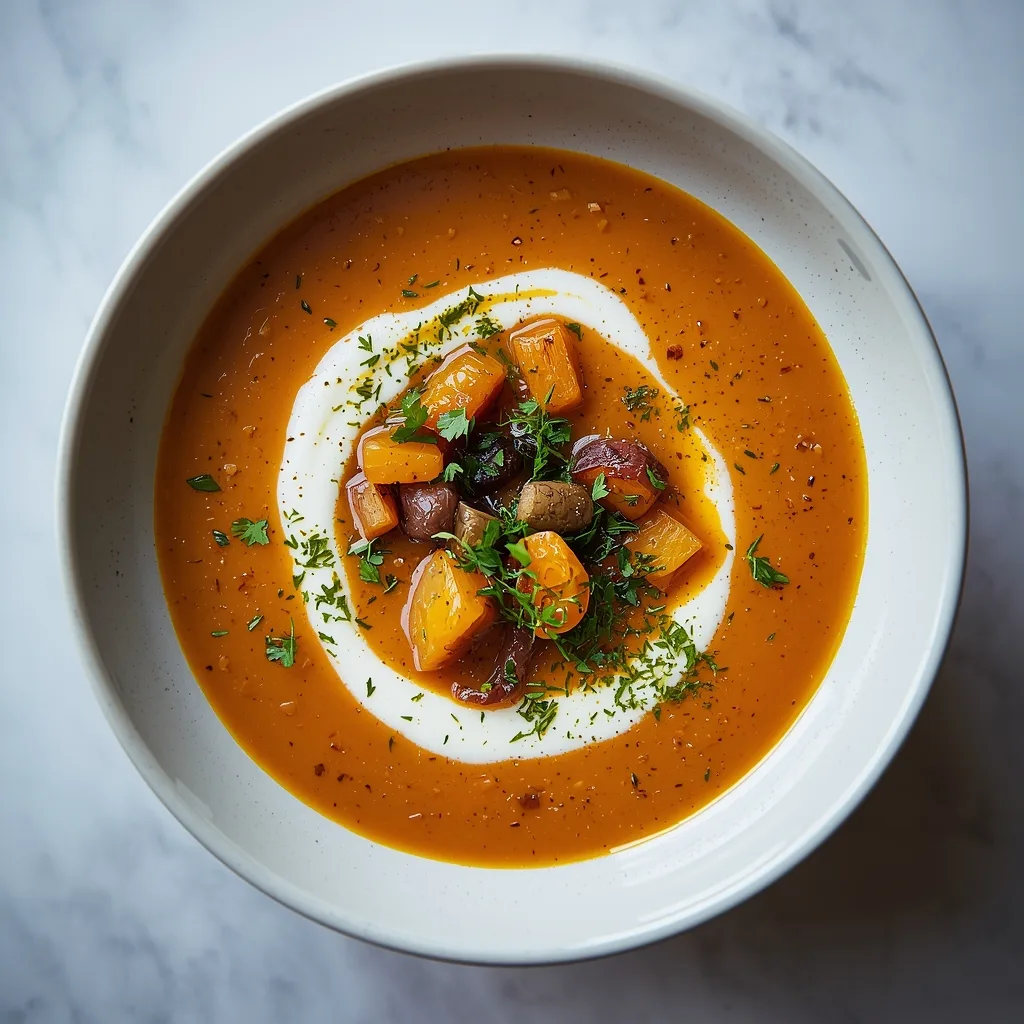
 There’s something deeply comforting about a bowl of Mary Berry winter vegetable soup with chestnuts. It’s a rich, velvety soup that turns humble root vegetables into something special, with a sweet, nutty depth from the chestnuts. This is a proper British classic, perfect for those evenings when you need a warm, satisfying meal that feels like a hug from the inside.
The total time is around 80 minutes, with most of it being hands-off roasting and simmering. I’d call this a beginner-friendly recipe, as the steps are straightforward. The only part that requires a bit of care is the blending—just be sure to work in batches and let the soup cool slightly to avoid steam pressure.
What Is Mary Berry Winter Vegetable Soup with Chestnuts?
This dish is a masterclass in building flavor through simple techniques. It’s a creamy, blended soup where the vegetables are roasted first to caramelize their natural sugars, then simmered with sweet chestnuts. The result is a complex, savory-sweet flavour that’s far more than the sum of its parts.
While it feels like a timeless British recipe, it’s a modern take that highlights the best of seasonal produce. What sets it apart from a standard vegetable soup is that initial roasting step. It adds a layer of toasty, almost smoky depth that you just can’t get from boiling everything in a pot.

Gather These Fresh Ingredients for Mary Berry’s Winter Vegetable Soup with Chestnuts
You’ll find most of these ingredients at any good greengrocer or supermarket. The key is starting with fresh, firm root vegetables for the best flavour.
The Roasted Vegetables
- 1 lb parsnips — They bring a distinctive, slightly peppery sweetness that’s essential to the soup’s character. Look for parsnips that are firm, not bendy.
- 1 lb carrots — Their natural sugar caramelizes beautifully in the oven, providing the soup’s sweet backbone and vibrant colour.
- 2 tbsp olive oil, divided — You’ll use half for roasting the roots and half for sautéing the aromatics. A good, fruity extra virgin olive oil works perfectly.
The Aromatic Base
- 1 large leek — It gives a mild, oniony sweetness. Be meticulous about washing it, as grit can hide between the layers and ruin the silky texture.
- 1 medium yellow onion — This forms the foundational flavour. Cooking it until soft and translucent, not browned, keeps the base mellow.
- 2 cloves garlic — Minced finely, it adds a gentle pungent note. Just cook it briefly to avoid any bitter taste.
- 1 tsp fresh thyme leaves — Its earthy, slightly floral aroma is a classic pairing with root vegetables. Dried thyme can work in a pinch, but use half the amount.
The Broth & Richness
- 4 cups low-sodium vegetable broth — Using a good-quality, low-salt broth lets you control the seasoning. A homemade stock would be wonderful here.
- 1 cup cooked chestnuts — Vacuum-packed or jarred are a lifesaver. They contribute a unique, starchy sweetness and help thicken the soup. Reserve a quarter cup for garnish.
- 1/2 cup heavy cream — Swirled in at the end, it adds luxurious richness and a velvety mouthfeel. For a lighter version, you could use half-and-half.
- 2 tbsp unsalted butter — A final enrichment that rounds out all the flavours and adds a beautiful gloss.
Seasoning & Finishing
- 1 tsp kosher salt & 1/2 tsp black pepper — Season in layers. You’ll salt the roasting vegetables and then adjust again at the end after adding the cream.
- 1 bay leaf — A single leaf adds a subtle, herbal complexity during the simmer. Remember to fish it out before blending!
- Fresh parsley & reserved chestnuts — This isn’t just decoration. The fresh parsley adds a necessary bright note, and the extra chestnuts provide a lovely textural contrast.
Detailed Step-by-Step Instructions to Make Mary Berry Winter Vegetable Soup with Chestnuts
The process is simple, but each step builds flavour. Here’s how I walk through it to ensure the best results.
- Roast the Roots — Toss the parsnip and carrot chunks with oil, salt, and pepper on a baking sheet. Roasting them at a high heat (425°F / 218°C) for 25-30 minutes is non-negotiable. This is where the soup gets its deep, caramelized flavour.
- Soften the Aromatics — While the vegetables roast, cook the diced onion in olive oil until soft and translucent. Don’t rush this or let it brown; you want a sweet, gentle base.
- Add the Leek — Stir in the sliced leek and cook until wilted. This is when I double-check that my leek is completely grit-free.
- Bloom the Garlic and Thyme — Add the garlic and thyme, cooking for just a minute until fragrant. If the garlic starts to colour, your heat is too high.
- Combine and Simmer — Add the roasted vegetables, broth, most of the chestnuts, and the bay leaf to the pot. Bring it to a boil, then reduce to a gentle simmer for 20 minutes. This melds the flavours and softens the chestnuts fully.
- Blend Until Silky — Remove the bay leaf, then blend the soup in batches until perfectly smooth. For an ultra-refined texture, pass it through a fine-mesh sieve. It’s an extra step, but it makes a noticeable difference.
- Enrich and Season — Return the smooth soup to low heat and stir in the cream and butter. Let them melt in without letting the soup boil. This is your final chance to taste and adjust the salt and pepper.
- Garnish and Serve — Ladle the hot soup into warm bowls. The garnish of chopped chestnuts and parsley isn’t optional—it adds crucial texture and freshness.
Common Mistakes and How I Fixed Them
I’ve made this soup enough times to learn from my errors. Here are the pitfalls I’ve stumbled into, so you can avoid them.
- Underseasoned vegetables — The first time, I was shy with the salt on the roasting tray. The result was a soup that tasted flat, no matter how much I seasoned it later. Now I season the roots well before they go in the oven.
- Overcrowded baking sheet — Packing the parsnips and carrots too close together steams them instead of roasting. They need space for the hot air to circulate and create those golden-brown edges.
- Blending while too hot — I once filled my blender to the brim with piping hot soup. The steam pressure blew the lid off, creating a dangerous (and messy) situation. I now let it cool for five minutes and never fill the blender more than halfway.
- Skipping the sieve — I used to think straining was fussy. But bits of fibrous parsnip or leek skin can get left behind, giving the soup a slightly grainy texture. A quick press through a sieve guarantees that velvety finish.
- Boiling after adding cream — Letting the soup come to a vigorous boil after the cream is in can cause it to separate or look curdled. Keep the heat on low and just warm it through.
What Pairs Perfectly with This Hearty Soup
This rich, velvety soup is a meal in itself, but a well-chosen side can turn it into a feast. Here are my favourite accompaniments.
- Crusty sourdough bread — It’s the classic choice for a reason. A thick slice is perfect for dipping and mopping up every last bit from the bowl.
- A sharp cheddar cheese toastie — The tangy, melted cheese provides a fantastic contrast to the soup’s sweet, creamy notes. It’s the ultimate comfort food duo.
- A simple green salad — A light salad with a sharp vinaigrette cuts through the soup’s richness beautifully. Think crisp romaine or peppery rocket.
- A glass of dry cider — The appley, slightly tart notes of a good British dry cider complement the earthy sweetness of the parsnips and chestnuts wonderfully.
- Roasted sausages — For a more substantial meal, serve the soup with a couple of herby pork or vegetarian sausages on the side. It’s a very satisfying combination.
Pro Tips for Making the Mary Berry Winter Vegetable Soup with Chestnuts
These small tweaks and techniques have helped me consistently get fantastic results from this recipe.
- Uniform vegetable chunks — Cut your parsnips and carrots into similarly sized pieces. This ensures they roast evenly, so you don’t end up with some burnt and some undercooked.
- Reserve the chestnut garnish — Don’t forget to set aside that quarter cup of chopped chestnuts before adding the rest to the pot. Their crunchy texture on top is a key part of the experience.
- Deglaze the roasting tray — After transferring the roasted veggies to the pot, pour a splash of the vegetable broth onto the hot baking sheet. Scrape up any sticky, caramelized bits and add that liquid gold to the soup pot.
- Use an immersion blender — If you have one, blending the soup directly in the pot is safer and creates less washing up. Just be patient and move it around until completely smooth.
- Warm your bowls — A simple trick that makes a big difference. Rinse your serving bowls with hot water or pop them in a warm oven for a few minutes. It keeps the soup hot for longer.
- Fresh herbs are key — Don’t substitute dried parsley for the fresh garnish. The bright, clean hit from the fresh herb is essential for balancing the soup’s deep richness.
Inspiring Variations Worth Trying
Once you’ve mastered the classic version, feel free to play around. Here are a few twists I’ve enjoyed.
- Smoky paprika swirl — Add a teaspoon of smoked paprika to the cream before swirling it into the soup for a gentle, warming smokiness.
- Apple and celery root — Swap half the parsnips for peeled celery root (celeriac) and add a diced, peeled Bramley apple with the leek for a fresher, fruitier note.
- Curried version — Add a tablespoon of mild curry powder to the onions as they soften. Finish with a swirl of coconut milk instead of cream for a different direction.
- Herb-infused oil drizzle — Blend some of the reserved parsley with a little olive oil and a pinch of salt, then drizzle this vibrant green oil over each bowl.
- Add white beans — For extra protein and body, stir a can of drained and rinsed cannellini beans into the pot before simmering.
How to Store Mary Berry Winter Vegetable Soup with Chestnuts Properly
This soup stores and reheats beautifully, making it fantastic for meal prep. Follow these guidelines to keep it tasting fresh.
- Cool it completely — Let the soup come to room temperature before storing. Putting hot soup directly in the fridge can raise the internal temperature and affect other foods.
- Airtight containers are best — Store the soup in a sealed container in the refrigerator. It will keep well for up to 4 days.
- Freeze without garnish — Freeze the plain, cooled soup in portion-sized containers for up to 3 months. Leave out the cream if you prefer, adding it fresh when you reheat.
- Portion before freezing — Freezing it in single-serving amounts means you can thaw exactly what you need for a quick lunch or dinner.
Smart Reheating Tips
Gentle reheating is the secret to preserving the soup’s silky texture. Avoid the microwave on full power.
- On the stovetop — Gently warm the soup in a saucepan over medium-low heat, stirring frequently until it’s steaming hot. This is the best method for controlling the temperature.
- In the microwave — Reheat in a microwave-safe bowl, covered with a lid or plate, in 60-second bursts on medium power. Stir well between each burst to prevent hot spots.
- Thawing frozen soup — For the best texture, transfer a frozen portion to the fridge the night before you plan to eat it. Slow thawing prevents separation.
FAQs
Can I use fresh chestnuts instead of pre-cooked?
You absolutely can, but it adds significant time. You’ll need to score, roast, and peel about 350g of fresh chestnuts before using them in the soup. The vacuum-packed ones are a brilliant shortcut for weeknight cooking.
How long does Mary Berry’s winter vegetable soup with chestnuts last in the fridge?
Stored properly in an airtight container, it will keep well for up to 4 days. The flavours often meld and improve after a day.
My soup is too thick after storing. What should I do?
Blended vegetable soups often thicken in the fridge. When reheating, simply thin it out with a little extra vegetable broth, water, or even a splash of milk until it reaches your desired consistency.
Can I make this soup vegan?
Yes, it’s easy to adapt. Use a plant-based butter alternative and swap the heavy cream for a rich, unsweetened coconut cream or oat cream. The result is still wonderfully creamy.
Is it necessary to peel the carrots and parsnips?
I recommend peeling them. The skins can be a bit tough and earthy, and peeling ensures the smoothest, most refined final texture after blending.
Can I freeze Mary Berry’s winter vegetable soup with chestnuts?
Yes, it freezes very well for up to 3 months. Freeze it before adding the cream and butter for the best results, then stir them in when you reheat.
Nutritional Value
Based on one serving out of four total.
- Calories: 342
- Protein: 5g
- Fat: 22g
- Carbohydrates: 38g
- Fiber: about 9g
- Sugar: 13g
- Sodium: around 780mg
Wrapping Up
This soup has become a staple in my winter kitchen. It’s the kind of recipe that rewards a little patience with incredible, deep flavour. I hope you give this Mary Berry winter vegetable soup with chestnuts a try—it’s a true celebration of seasonal ingredients that’s both elegant and deeply comforting.
PrintMary Berry Winter Vegetable Soup with Chestnuts

A rich, velvety soup featuring roasted root vegetables and sweet chestnuts, finished with a swirl of cream and fresh herbs. This comforting British classic delivers deep, caramelized flavors and a satisfyingly smooth texture perfect for cold evenings.
- Prep Time: 25
- Cook Time: 55
- Total Time: 80
- Yield: 4 1x
- Category: Main Course
- Method: Stovetop and Oven
- Cuisine: British
Ingredients
- 2 tbsp olive oil, divided
- 1 lb parsnips, peeled and cut into 1-inch chunks
- 1 lb carrots, peeled and cut into 1-inch chunks
- 1 large leek (white and light green parts only), thoroughly washed and sliced into 1/2-inch rounds
- 1 medium yellow onion, finely diced
- 2 cloves garlic, minced
- 1 tsp fresh thyme leaves, finely chopped
- 1 tsp kosher salt, plus more to taste
- 1/2 tsp freshly ground black pepper
- 4 cups low-sodium vegetable broth
- 1 cup vacuum-packed or jarred cooked chestnuts, roughly chopped (reserve 1/4 cup for garnish)
- 1 bay leaf
- 1/2 cup heavy cream
- 2 tbsp unsalted butter
- For garnish: 2 tbsp fresh parsley, finely chopped, and reserved chopped chestnuts
Instructions
- Preheat your oven to 425°F / 218°C. On a large, rimmed baking sheet, toss the parsnip and carrot chunks with 1 tablespoon of olive oil, 1/2 teaspoon of kosher salt, and 1/4 teaspoon of black pepper. Spread them in a single layer to ensure even roasting and caramelization. Roast for 25-30 minutes, turning halfway through, until the vegetables are tender and have deep golden-brown edges. This dry-heat cooking concentrates their natural sugars, building the soup’s foundational flavor.
- While the roots roast, prepare the aromatics. Heat the remaining 1 tablespoon of olive oil in a large Dutch oven or heavy-bottomed soup pot over medium heat. Add the diced onion and cook for 5-7 minutes, stirring occasionally, until translucent and soft. Avoid browning them at this stage to keep the flavor base sweet and mellow.
- Add the sliced leek to the pot. Cook for another 5 minutes over medium heat, stirring frequently, until the leek has wilted and become fragrant. Leeks can hold grit, so ensure they are thoroughly washed before slicing to prevent a sandy texture in your finished soup.
- Stir in the minced garlic and chopped thyme. Cook for just 60 seconds, until the garlic is aromatic. Do not let the garlic brown, as it will turn bitter. This brief bloom releases the essential oils in the herbs and garlic, infusing the oil with flavor.
- Once the roasted parsnips and carrots are done, add them directly to the pot with the aromatics. Pour in the vegetable broth, adding the bay leaf and the remaining 3/4 cup of chopped chestnuts. The roasted vegetables will sizzle when they hit the liquid, helping to deglaze any flavorful bits stuck to the bottom of the pot.
- Bring the mixture to a boil over high heat, then immediately reduce the heat to low, cover the pot with a lid slightly ajar, and simmer gently for 20 minutes. This slow simmer allows the flavors to meld and the chestnuts to soften completely, contributing their distinctive starchy sweetness to the broth.
- After simmering, remove and discard the bay leaf. Carefully transfer the soup in batches to a high-powered blender, filling the blender jar no more than halfway. Alternatively, use an immersion blender directly in the pot. Blend on high until completely smooth and velvety, about 90 seconds per batch. For the silkiest texture, pass the blended soup through a fine-mesh sieve back into the cleaned pot, pressing with a ladle.
- Place the pot with the blended soup back over low heat. Stir in the heavy cream and butter until fully incorporated and the butter has melted. Do not let the soup boil after adding the cream, as it can cause separation. Taste and adjust seasoning with additional salt and pepper as needed.
- To serve, ladle the hot soup into warm bowls. Garnish each serving with a sprinkle of the reserved chopped chestnuts and a generous pinch of fresh parsley. The garnish adds contrasting texture and a bright, fresh note that cuts through the soup’s richness.
- For an optional oven alternative: After step 5, you can transfer the covered Dutch oven to a preheated 350°F / 177°C oven for 25-30 minutes instead of simmering on the stovetop. This hands-off method provides even, gentle heat and is excellent if your stovetop is in use for other dishes.
Notes
Storage: Cool soup completely and store in an airtight container in the refrigerator for up to 4 days. Freezing: Freeze in portion-sized containers for up to 3 months. Thaw overnight in the refrigerator. Reheating: Reheat gently in a saucepan over medium-low heat, stirring frequently, until steaming hot. If frozen, thaw first for best texture. If the soup thickens upon storage, thin it with a small amount of broth or water when reheating.
Nutrition
- Calories: 342
- Sugar: 13g
- Sodium: 780mg
- Unsaturated Fat: 10g
- Carbohydrates: 38g
- Fiber: 9g
- Protein: 5g
- Cholesterol: 45mg
Keywords: Mary Berry winter vegetable soup, winter vegetable soup with chestnuts, British vegetable soup, roasted root vegetable soup, chestnut soup recipe, hearty winter soup, creamy vegetable soup, Christmas soup, holiday starter, comfort food soup, vegetarian main course, festive soup