
 Ekani Ella
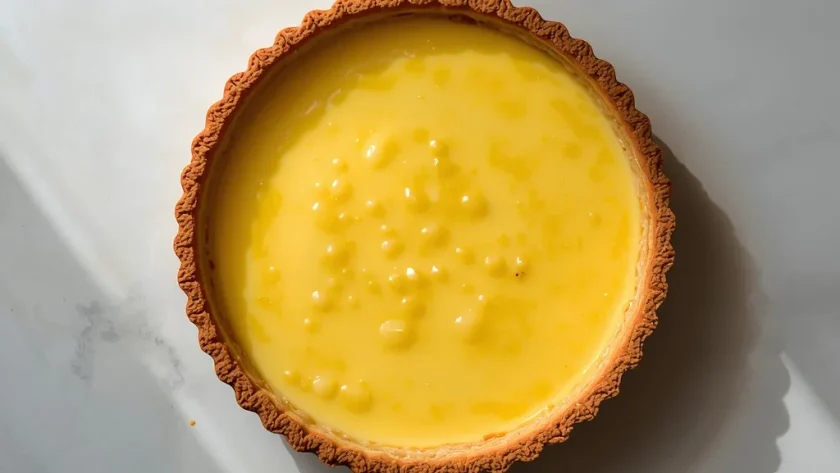
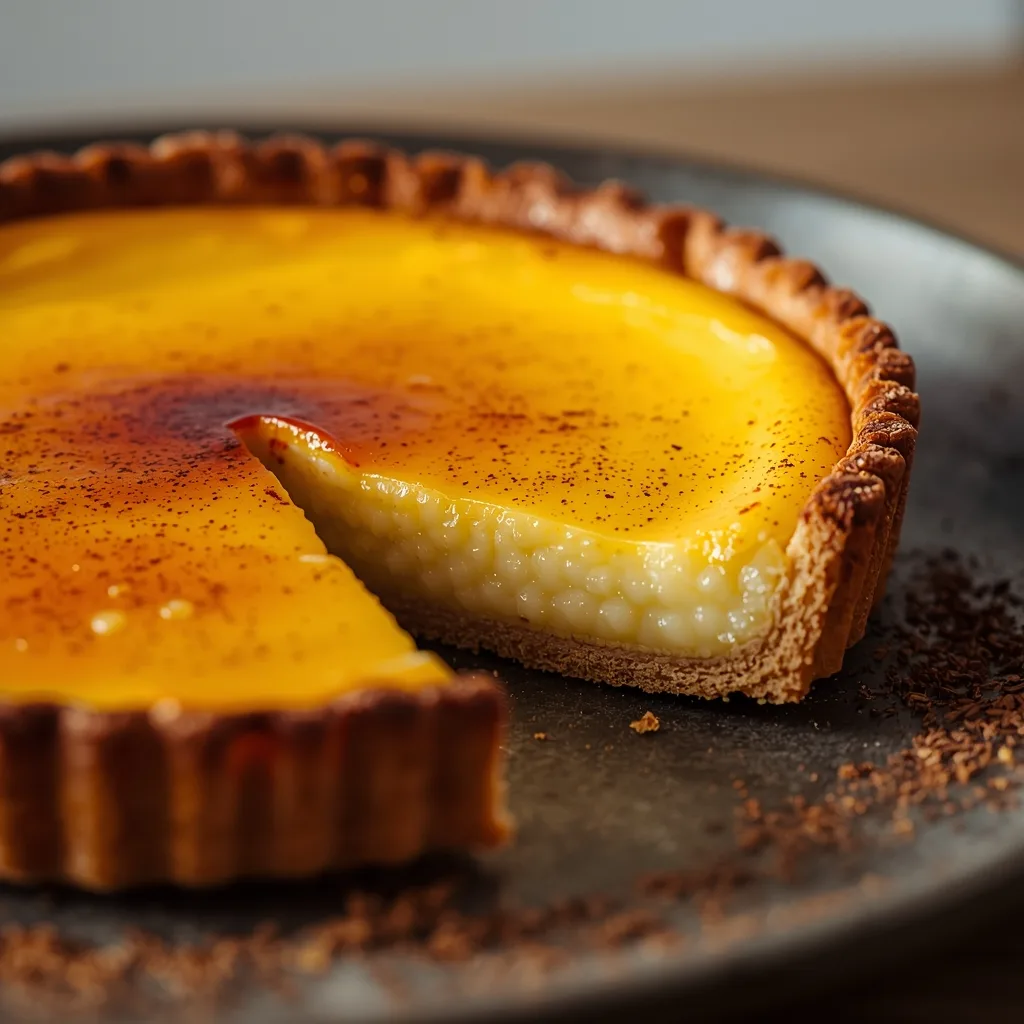
 If you’re looking for a dessert that feels both elegantly simple and deeply comforting, the Jamie Oliver Egg Custard Tart is a perfect choice. It features a crisp, buttery shortcrust pastry shell filled with a silky-smooth vanilla custard, baked to a perfect, barely-set wobble. It’s a classic British bake that’s surprisingly achievable for a weekend project.
From start to finish, you’ll need about an hour and a half, with most of that being hands-off chilling and baking time. I’d rate this as an intermediate recipe—it’s not overly complex, but it does require careful attention to a few key techniques, like blind baking and tempering eggs, to get that flawless, creamy set.
What Is Jamie Oliver Egg Custard Tart?
This dessert is a modern take on a very old British classic, tracing its roots back to medieval times. The version popularized by Jamie Oliver focuses on clean, simple ingredients to let the delicate flavours shine. What sets it apart is the texture: the filling should be supremely smooth and creamy, not dense or rubbery like some old-fashioned versions.
It’s a staple of afternoon tea and a wonderful centrepiece for a Sunday roast dinner. The combination of the rich, spiced custard and the crumbly pastry is pure comfort food, yet it feels special enough for any celebration.
Gather These Fresh Ingredients for Jamie Oliver Egg Custard Tart
Quality ingredients make a noticeable difference here. You don’t need many, but each one plays a crucial role.
For the Sweet Shortcrust Pastry
- 1 1/4 cups (150g) all-purpose flour, plus extra for dusting — This forms the structure of your tart shell. A good plain flour works perfectly; no need for anything fancy.
- 1/4 cup (50g) granulated sugar — Just a touch sweetens the pastry and helps it brown nicely.
- 1/4 teaspoon fine sea salt — Balances the sweetness and enhances all the other flavours.
- 1/2 cup (1 stick / 113g) unsalted butter, cold and cubed — The key to a flaky crust. Keep it fridge-cold until the moment you use it.
- 1 large egg yolk — Adds richness and helps bind the dough without making it tough.
- 2 tablespoons ice-cold water — Brings the dough together. The cold temperature prevents the butter from melting.
For the Custard Filling
- 1 1/4 cups (300ml) heavy cream (36-40% fat) — This gives the custard its luxurious, silky mouthfeel. Don’t be tempted to use a lower-fat alternative.
- 1/2 cup (120ml) whole milk — Lightens the cream slightly for a perfectly balanced custard.
- 1 vanilla bean pod, split and seeds scraped (or 1 1/2 teaspoons pure vanilla extract) — A vanilla bean provides incredible fragrance. If using extract, add it after you’ve taken the cream off the heat.
- 1/2 cup (100g) granulated sugar — Sweetens the custard without making it cloying.
- 4 large eggs — These are the main thickening agent for the filling, creating that delicate set.
- 1 large egg yolk — An extra yolk adds even more richness and a deeper yellow colour.
- Freshly grated nutmeg, for finishing — A classic, warming touch. Freshly grated makes all the difference compared to pre-ground.
Detailed Step-by-Step Instructions to Make Jamie Oliver Egg Custard Tart
The process is a dance between the pastry and the custard. Taking your time with each stage is the secret to success.
- Make the pastry dough — In a food processor, pulse the flour, sugar, and salt. Add the cold butter and pulse to coarse crumbs. Add the yolk and ice water, pulsing just until it clumps. Over-processing is the enemy of a tender crust.
- Chill the dough — Press the crumbly mixture into a disc, wrap it tightly, and refrigerate for at least 30 minutes. This relaxes the gluten and firms the butter, making rolling easier and preventing shrinkage.
- Roll and line the tart tin — On a floured surface, roll the dough to 1/8-inch thick. Carefully lift it into a 9-inch tart pan, pressing gently into the corners without stretching. Trim the excess.
- Chill the pastry shell — Prick the base with a fork (docking) and freeze the lined pan for 15 minutes. This second chill is non-negotiable for a crisp, well-shaped shell.
- Preheat and blind bake — Heat your oven to 375°F / 190°C. Line the frozen shell with parchment and fill with pie weights. Bake for 15 minutes. The weights stop the pastry from puffing up.
- Finish the blind bake — Remove the weights and parchment. Bake the empty shell for another 8-10 minutes until the base is pale gold and dry. This sets the structure. Reduce the oven to 300°F / 150°C.
- Prepare the custard filling — While the shell bakes, warm the cream, milk, vanilla, and sugar in a saucepan until the sugar dissolves and tiny bubbles form at the edge. Do not boil. Remove from heat and let the vanilla infuse for 10 minutes.
- Temper the eggs — Whisk the whole eggs and extra yolk in a bowl. Slowly pour the warm cream mixture into the eggs in a thin stream, whisking constantly. Strain through a fine sieve into a jug for a perfectly smooth custard.
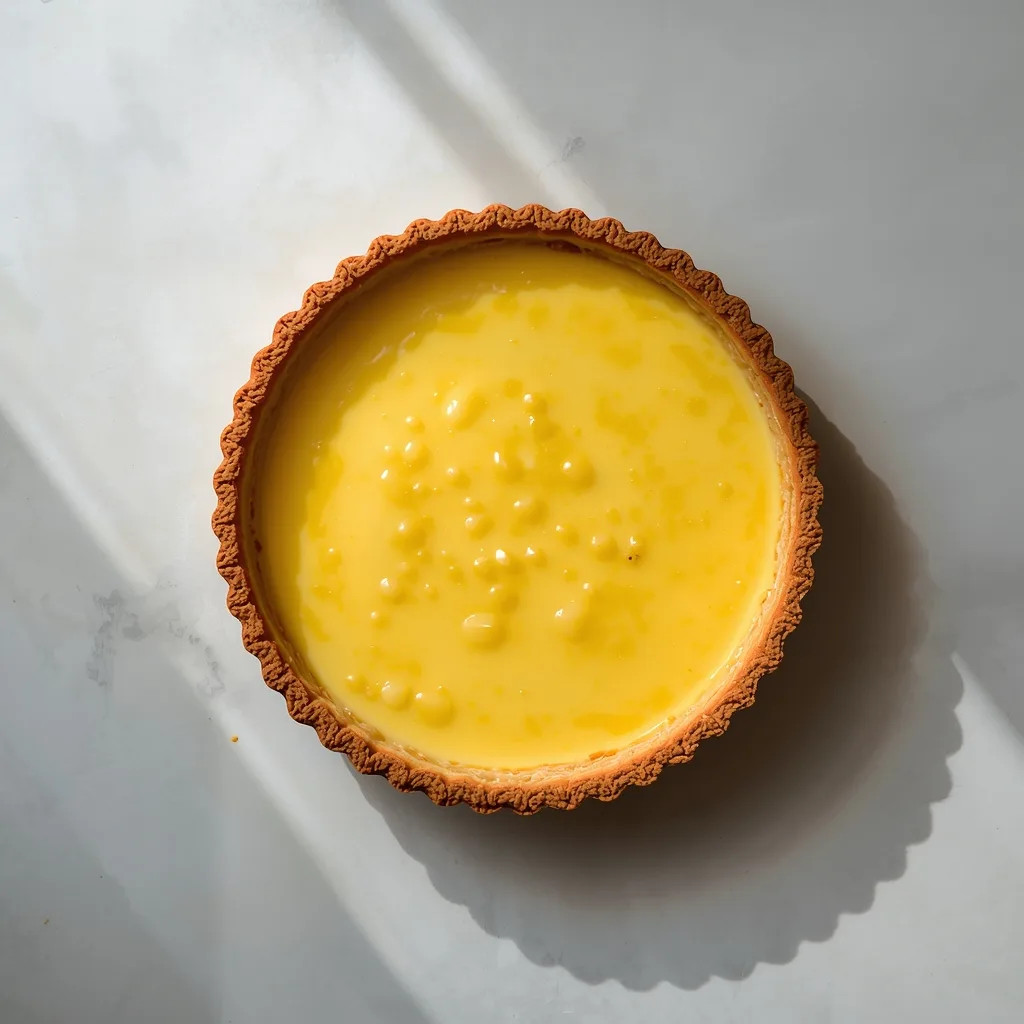
- Fill and bake — Place the tart shell on a baking sheet. Pour in the strained custard and grate a light dusting of nutmeg over the top. Carefully transfer to the 300°F / 150°C oven.
- Bake the tart — Bake for 35-40 minutes. It’s done when the edges are set but the very centre has a slight, gentle wobble. Over-baking leads to curdling, so trust the wobble.
- Cool completely — Let the tart cool completely in the pan on a wire rack for at least 2 hours. The custard will continue to set as it cools. Don’t try to remove it while warm.
- Serve — Once cool, remove the outer ring. Use a sharp, thin knife, wiped clean between cuts, for neat slices. Serve at room temperature for the best texture.
Common Mistakes and How I Fixed Them
My first attempt at this classic dessert was a learning experience. The crust shrank, and the filling was a bit grainy. Here’s what went wrong and how to avoid it.
- Rushing the chilling steps — I once skipped the second freeze for the pastry shell. It slumped badly in the oven. Now I never compromise on that 15-minute freeze; it’s essential for structure.
- Over-processing the pastry dough — I pulsed the food processor until the dough formed a ball, which developed the gluten and made the crust tough. Now I stop as soon as it starts to clump.
- Pouring hot cream into the eggs — I added the warm cream too quickly once and ended up with little bits of scrambled egg in my custard. Tempering slowly while whisking constantly is the only way.
- Ignoring the wobble test — I baked my first tart until the centre looked completely firm. It was overcooked and slightly rubbery. That gentle wobble in the middle is your guide to perfection.
- Slicing before it’s fully cool — Impatience got the better of me, and I tried to slice a warm tart. The custard oozed everywhere. A full 2-hour cool is mandatory for clean slices.
What Pairs Perfectly with Jamie Oliver Egg Custard Tart
This tart is delightful on its own, but a simple accompaniment can elevate it. Here are a few of my favourite pairings.
- A cup of strong English Breakfast tea — The slight bitterness of the tea cuts through the richness of the custard beautifully. It’s the classic combination for a reason.
- Fresh summer berries — A small handful of raspberries or strawberries on the side adds a lovely, fresh contrast and a pop of colour.
- A drizzle of single cream — For the ultimate indulgence, pour a little extra cold cream over your slice. It sounds decadent, but it’s heavenly.
- A small glass of dessert wine — A Sauternes or a late-harvest Riesling complements the vanilla and egg flavours without overwhelming them.
- A dollop of lightly whipped cream — Keep it simple—just cream softly whipped with a tiny bit of icing sugar. It adds a lovely cloud-like texture.
Pro Tips for Making Jamie Oliver’s Egg Custard Tart
These little insights from my kitchen trials will help you nail this recipe on the first try.
- Keep everything cold for the pastry — Use butter straight from the fridge and ice-cold water. This ensures the butter stays in distinct pieces, which creates flaky layers when it melts in the oven.
- Roll the dough between parchment — If you find it sticks, try rolling it out between two sheets of lightly floured baking paper. It makes transferring to the tin much easier.
- Strain the custard without fail — Even if you tempered perfectly, straining catches any stray bits of egg or vanilla pod, guaranteeing that signature silky texture.
- Use a baking sheet — Placing the tart pan on a baking sheet before filling makes it much safer to transfer in and out of the oven without spilling the liquid custard.
- Check for doneness early — Start checking the tart at the 35-minute mark. The difference between perfectly set and overdone can be just a few minutes in a low oven.
- Let the vanilla infuse — Don’t rush the 10-minute steeping time after heating the cream. This is where the deep, fragrant vanilla flavour develops.
Inspiring Variations of Jamie Oliver’s Egg Custard Tart
Once you’ve mastered the classic, these simple twists can make the recipe feel new again.
- Citrus zest infusion — Add the zest of an orange or a lemon to the warm cream along with the vanilla for a bright, fragrant twist.
- Ground cinnamon swap — Replace the fresh nutmeg topping with a light dusting of ground cinnamon for a warmer, spicier note.
- Cardamom pod addition — Crack 3-4 green cardamom pods and add them to the cream while it warms for a beautifully aromatic, slightly exotic flavour.
- Mini tartlet version — Use the same dough and custard to fill a 12-cup muffin tin (lined with pastry). Reduce the baking time to 20-25 minutes for perfect individual portions.
- Demerara sugar sprinkle — Before baking, sprinkle a tablespoon of demerara sugar over the custard for a delightful, crunchy caramelised top.
How to Store Jamie Oliver’s Egg Custard Tart Properly
Proper storage keeps your tart tasting its best. The custard filling is delicate, so handle with care.
- Refrigerate leftovers promptly — Once completely cool, cover the tart tightly with cling film or place it in a large airtight container. It will keep in the fridge for up to 3 days.
- Expect a softer crust — The moisture from the custard will inevitably soften the pastry over time. This is normal, but the flavour will still be wonderful.
- Keep it whole until serving — For the freshest texture, store the tart as a whole piece and only slice what you need. Pre-sliced portions dry out faster.
- Avoid freezing if possible — Freezing is not recommended. The custard can separate and become grainy upon thawing, ruining that smooth texture.
Smart Reheating Tips for Jamie Oliver Egg Custard Tart
While best at room temperature, you can gently warm a slice if you prefer. The key is low, gentle heat.
- Use a low oven — Place a slice on a baking sheet in a preheated 275°F / 135°C oven for 5-7 minutes, just until it loses its chill. Watch it closely to prevent the custard from cooking further.
- Skip the microwave — I don’t recommend microwaving. The intense, uneven heat will likely overcook the custard, making it rubbery and potentially causing it to weep.
- Serve immediately after warming — Any reheated slice should be eaten right away, as the texture is at its best when just warmed through.
FAQs
Can I make the Jamie Oliver Egg Custard Tart ahead of time?
Absolutely. You can blind bake the pastry shell a day ahead, let it cool, and store it at room temperature in an airtight container. Prepare the custard filling on the day you plan to bake and serve for the best texture.
Why did my custard filling crack?
Cracking usually means it was baked too long or at too high a temperature. The low, slow bake is crucial. Next time, trust the wobble test and remember the custard will continue to set as it cools.
My pastry shrank a lot during blind baking. What happened?
This is often caused by not chilling the dough enough or by stretching it when pressing it into the tin. Ensure you chill for the full time and always press the dough in gently without pulling it.
Can I use a store-bought pastry case?
You can in a pinch, but the flavour and texture won’t be the same. A homemade sweet shortcrust is really part of the soul of this dessert. If you do use shop-bought, look for an all-butter shortcrust.
How long does Jamie Oliver Egg Custard Tart last in the fridge?
It will keep, covered, in the refrigerator for up to 3 days. The crust will soften, but the custard flavour actually deepens nicely over the first day.
Can I freeze Jamie Oliver Egg Custard Tart?
I don’t recommend it. The custard filling doesn’t freeze well—it tends to become watery and grainy when thawed, losing its signature silky consistency.
Nutritional Value
Based on 1 serving = 1 slice out of 4 total.
- Calories: 685
- Protein: 11g
- Fat: 48g
- Carbohydrates: 55g
- Fiber: 1g
- Sugar: around 33g
- Sodium: 180mg
Try These Recipes
- Mary Berry Winter Vegetable Soup with Chestnuts
- Hairy Bikers Beef Biryani
- River Cottage Mint Jelly
- Mary Berry’s Classic Mint Sauce
Wrapping Up
Mastering this tart is a rewarding baking milestone. It teaches patience and precision, but the result—a beautiful, wobbling centrepiece with sublime texture—is worth every minute. I hope you feel inspired to try your hand at the Jamie Oliver Egg Custard Tart. When you get that perfect golden slice with its creamy centre, you’ll understand why it’s such a beloved classic.
PrintJamie Oliver Egg Custard Tart
A classic British dessert featuring a crisp, buttery shortcrust pastry shell filled with a silky-smooth, delicately spiced vanilla custard. The filling bakes to a perfect, barely-set wobble with a light golden top, creating an elegant and comforting tart.
- Prep Time: 45
- Cook Time: 50
- Total Time: 95
- Yield: 4 1x
- Category: Dessert
- Method: Baking
- Cuisine: British
Ingredients
- For the Sweet Shortcrust Pastry:
- 1 1/4 cups (150g) all-purpose flour, plus extra for dusting
- 1/4 cup (50g) granulated sugar
- 1/4 teaspoon fine sea salt
- 1/2 cup (1 stick / 113g) unsalted butter, cold and cubed
- 1 large egg yolk
- 2 tablespoons ice-cold water
- For the Custard Filling:
- 1 1/4 cups (300ml) heavy cream (36-40% fat)
- 1/2 cup (120ml) whole milk
- 1 vanilla bean pod, split and seeds scraped (or 1 1/2 teaspoons pure vanilla extract)
- 1/2 cup (100g) granulated sugar
- 4 large eggs
- 1 large egg yolk
- Freshly grated nutmeg, for finishing
Instructions
- Make the pastry dough: In a food processor, pulse the flour, sugar, and salt to combine. Add the cold, cubed butter and pulse until the mixture resembles coarse breadcrumbs with some pea-sized butter pieces remaining. This creates a flaky texture. Add the egg yolk and ice water, then pulse just until the dough begins to clump together; avoid over-processing to prevent a tough crust.
- Chill the dough: Turn the crumbly dough out onto a clean surface and gently press it together into a disc. Wrap tightly in plastic wrap and refrigerate for at least 30 minutes. This allows the gluten to relax and the butter to firm up, making the dough easier to roll and preventing shrinkage during baking.
- Roll and line the tart tin: On a lightly floured surface, roll the chilled dough into a circle about 1/8-inch thick and 2 inches wider than your 9-inch fluted tart pan with a removable bottom. Carefully lift the dough by rolling it onto your rolling pin, then unroll it over the pan. Gently press the dough into the corners and up the sides without stretching it. Trim the excess by rolling your pin over the top of the pan.
- Chill the pastry shell: Prick the base all over with a fork (this is called docking) to prevent air bubbles. Place the lined tart pan in the freezer for 15 minutes. This second chill further sets the butter and helps the pastry hold its shape during the initial blind bake.
- Preheat and blind bake: Preheat your oven to 375°F / 190°C. Line the chilled pastry shell with parchment paper and fill with pie weights or dried beans. Bake on the middle rack for 15 minutes. The weights prevent the pastry from puffing up or slumping. After 15 minutes, carefully remove the parchment and weights.
- Finish the blind bake: Return the empty pastry shell to the oven and bake for another 8-10 minutes, or until the base looks dry and is just beginning to turn a pale golden color. This sets the structure so it can hold the liquid custard. Remove from the oven and reduce the oven temperature to 300°F / 150°C.
- Prepare the custard filling: While the shell bakes, combine the cream, milk, scraped vanilla bean seeds and pod (or extract), and sugar in a medium saucepan. Warm over medium heat, stirring occasionally, just until the sugar dissolves and small bubbles form around the edge; do not boil. Remove from heat and let the vanilla infuse for 10 minutes.
- Temper the eggs: In a large bowl, whisk the 4 whole eggs and the additional yolk until just combined and smooth. Slowly pour the warm cream mixture into the eggs in a thin, steady stream while whisking constantly. This gradual addition, called tempering, prevents the eggs from scrambling. Strain the mixture through a fine-mesh sieve into a jug to remove the vanilla pod and any cooked egg bits, ensuring a perfectly smooth custard.
- Fill and bake: Place the pre-baked tart shell on a baking sheet. Pour the strained custard into the shell, filling it almost to the top. Grate a light dusting of fresh nutmeg over the surface. Carefully transfer the baking sheet to the preheated 300°F / 150°C oven.
- Bake the tart: Bake for 35-40 minutes, or until the custard is set with a slight wobble in the very center when you gently shake the pan. The edges will be firm, and the top will be a light, even gold. Over-baking will cause the custard to curdle or crack, so err on the side of underdone.
- Cool completely: Remove the tart from the oven and let it cool completely in the pan on a wire rack for at least 2 hours. The residual heat will continue to cook the custard to the perfect set. Do not attempt to remove it from the pan while warm, as the delicate custard needs time to firm up.
- Serve: Once completely cool, carefully remove the outer ring of the tart pan. Slice with a sharp, thin-bladed knife wiped clean between cuts for neat portions. Serve at room temperature for the best texture and flavor.
Notes
Storage: Cover and refrigerate for up to 3 days. The crust will soften slightly over time. Freezing is not recommended as the custard texture will become grainy upon thawing. Reheating: Do not microwave, as this will overcook the custard. For a warm slice, place in a preheated 275°F / 135°C oven for 5-7 minutes.
Nutrition
- Calories: 685
- Sugar: 33g
- Sodium: 180mg
- Unsaturated Fat: 29g
- Carbohydrates: 55g
- Fiber: 1g
- Protein: 11g
- Cholesterol: 345mg
Keywords: egg custard tart, custard tart recipe, British dessert, vanilla custard tart, shortcrust pastry, baked custard, afternoon tea dessert, classic tart, Jamie Oliver inspired, nutmeg, silky custard