
 Ekani Ella
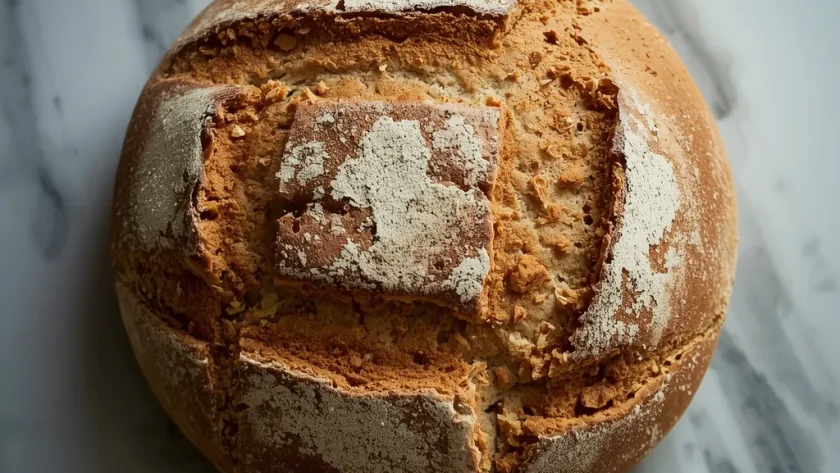
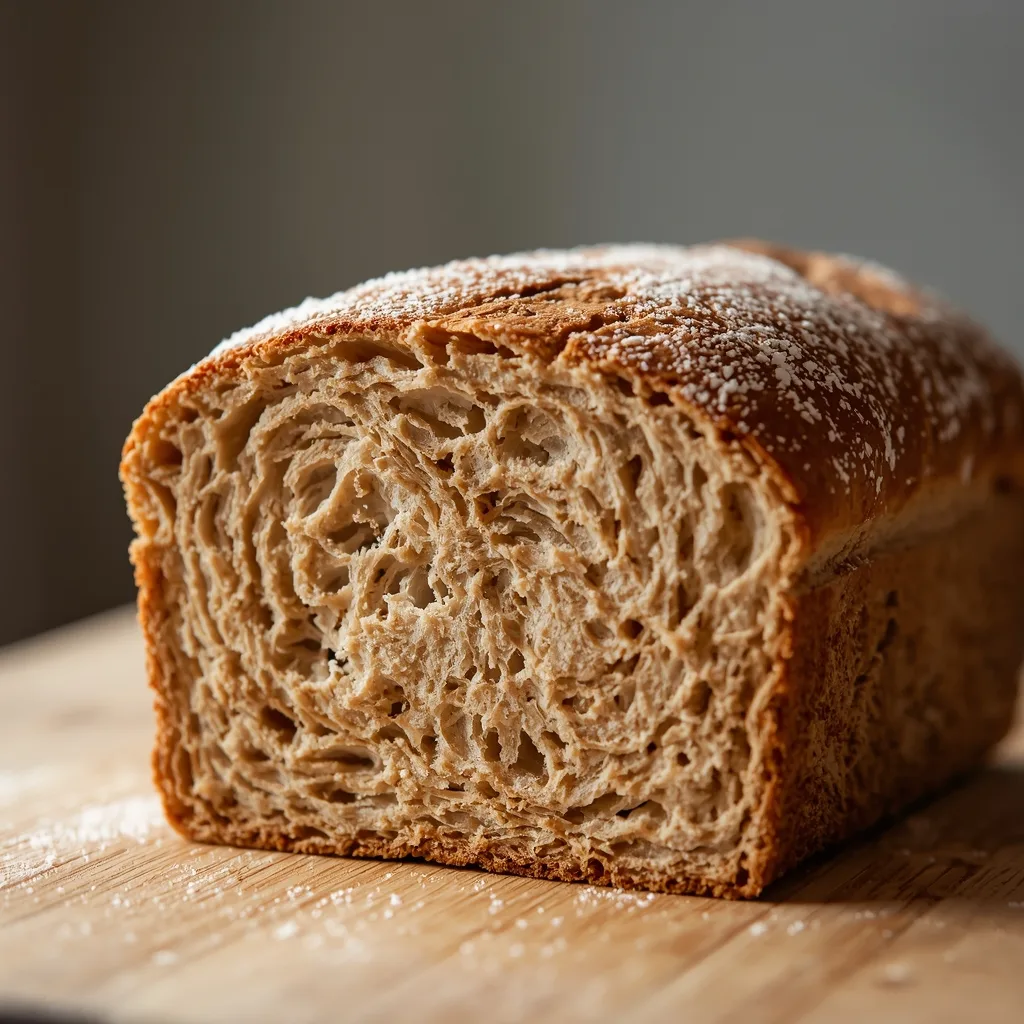
 I’ve made my fair share of hearty loaves, but this Paul Hollywood Wholemeal Bread has become a weekend staple. It’s a beautifully balanced, artisan-style loaf with a crisp crust and a soft, satisfying crumb.
The total time is around three hours, with most of that being hands-off rising. It’s an intermediate recipe—the kneading and shaping require a bit of practice, but the payoff is immense.
You’ll end up with a wholesome, nutty bread perfect for everything from your morning toast to a sturdy ploughman’s lunch.
What Is Paul Hollywood Wholemeal Bread?
This is a classic British bakery-style loaf that champions whole wheat flour. It comes from Paul Hollywood’s repertoire of essential bakes, designed for home cooks.
What sets it apart is the blend of stone-ground wholemeal for flavour and white bread flour for structure. The result is a crusty bread that’s robust but never dense or dry.
It’s a fantastic sourdough alternative when you want that artisan loaf texture without a starter. The interior stays wonderfully chewy for days.
Gather These Fresh Ingredients for Paul Hollywood Wholemeal Bread
Quality matters here, especially with the flours. This is what you’ll need, broken down by purpose.
The Liquid Foundation
- 1 cup lukewarm water (about 105°F / 40°C) — This hydrates the dough and activates the yeast. Too hot will kill it; too cold slows it down. Use a thermometer if unsure.
- 2 tablespoons olive oil — This adds moisture and a slight richness to the crumb, keeping it tender. A neutral oil, like vegetable oil, works in a pinch.
The Dry Goods
- 1 1/2 cups stone-ground whole wheat flour — This gives the bread its signature nutty taste and wholesome texture. Stone-ground has more character than regular whole wheat.
- 1 cup white bread flour, plus extra for dusting — The high-protein bread flour builds strong gluten, giving the loaf its lift and chewy interior. All-purpose flour can make it a bit denser.
- 1 1/2 teaspoons kosher salt — Salt is crucial for flavour and controls yeast activity. If using fine table salt, reduce to 1 teaspoon.
- 1 teaspoon granulated sugar — This small amount feeds the yeast for a better rise without making the bread sweet.
The Leavening & Finishing
- 2 1/4 teaspoons instant yeast — Instant yeast mixes directly with dry ingredients, but activating it first, as this recipe does, guarantees it’s alive and working.
- Extra olive oil for greasing bowl — A light coating prevents the dough from sticking during its first rise.
Detailed Step-by-Step Instructions to Make Paul Hollywood Wholemeal Bread
The process is a classic yeast bread rhythm: mix, knead, rise, shape, proof, and bake. Here’s how I do it.
- Activate the Yeast — Combine the lukewarm water, sugar, and yeast in a small bowl. Let it sit for 5-10 minutes. You want to see a frothy, bubbly layer form on top. If it doesn’t, your yeast may be old, and the loaf won’t rise properly.
- Combine Dry Ingredients — In a large bowl, whisk together both flours and the salt. This aerates them and distributes the salt evenly so it doesn’t touch and inhibit the yeast directly.
- Form the Dough — Make a well in the flour and pour in the yeast mixture and olive oil. Mix with a spoon or a dough hook on low until a shaggy dough comes together. It will look rough at this stage.
- Knead Thoroughly — Turn the dough onto a floured surface and knead for 10 minutes. You’re aiming for a smooth, elastic ball that’s slightly tacky but doesn’t stick to your hands. Under-kneading is a common cause of dense bread.
- First Rise — Place the dough in a greased bowl, turning to coat. Cover with a damp cloth and let it rise in a warm spot for 1 to 1.5 hours, until doubled. A cold kitchen will take longer.
- Shape the Loaf — Gently punch down the dough to deflate it. On a floured surface, shape it into a round by tucking the edges underneath and rotating to create surface tension. This tension helps it keep its shape while baking.
- Second Proof — Place the shaped loaf on a parchment-lined tray or in a loaf pan. Cover and let it proof for 30-45 minutes until puffy. Don’t skip this; it relaxes the gluten for a better oven spring.
- Score and Preheat — While the dough proofs, preheat your oven to 400°F / 200°C. Just before baking, make a shallow slash on top with a sharp knife. This controls where the bread expands, preventing random tears.
- Bake Until Golden — Bake for 30-35 minutes. The loaf is done when it’s deep golden brown and sounds hollow when tapped. For absolute certainty, an internal thermometer should read 190°F / 88°C.
- Cool completely — Transfer the baked bread to a wire rack. Let it cool for a full hour before slicing. I know it’s tempting, but cutting it warm makes the crumb gummy.
Common Mistakes and How I Fixed Them
I’ve made every error in the book with whole wheat loaves. Here are the ones that really tripped me up with this recipe.
- Water temperature was my downfall — I once used water that was too hot and killed the yeast. The dough never rose. Now I always check it’s just warm to the touch, around 105°F.
- Rushing the kneading process — I’d stop when the dough looked smooth, but it wasn’t elastic enough. The bread was crumbly. Kneading for the full 10 minutes, using the windowpane test, is non-negotiable.
- Proofing in a drafty spot — My old kitchen had a breeze. The dough took forever to rise. I now use my oven with just the light on to create a consistent, warm environment.
- Shaping without tension — My first loaves spread out flat because I just formed a ball. Tucking the edges tightly underneath creates that crucial skin that helps it rise up, not out.
- Slicing straight from the oven — I ruined a perfect loaf by cutting it while steaming. The inside was doughy and compressed. Waiting for the full hour lets the structure set for perfect slices.
What Pairs Perfectly with Paul Hollywood Wholemeal Bread
This bread’s nutty flavour and sturdy texture make it incredibly versatile. Here are my favourite ways to serve it.
- Classic Butter and Jam — A thick slice toasted and slathered with good butter and sharp marmalade is a sublime breakfast. The bread’s substance stands up to bold flavours.
- A Proper Ploughman’s Lunch — Serve it with a strong cheddar, Branston pickle, apple slices, and chutney. It’s the ideal vehicle for a hearty, no-cook meal.
- Hearty Soups and Stews — This is my go-to for dunking into a bowl of lentil soup or a rich beef stew. The crust holds up, and the crumb soaks up the broth beautifully.
- Avocado Toast Upgrade — Use a thick slice as a base for smashed avocado. The wholemeal adds a depth that plain white toast lacks. A sprinkle of chilli flakes finishes it perfectly.
- Cheese Board Essential — Cube or slice it for a cheeseboard. Its wholesome flavour complements everything from soft brie to a punchy blue cheese.
Pro Tips for Making the Best Paul Hollywood Wholemeal Bread
These small adjustments, learned from trial and error, will elevate your baking results.
- Weigh your flour — Cup measurements can vary wildly. For consistency, use a kitchen scale. You want 190g of whole wheat and 130g of bread flour.
- Use the windowpane test — To check kneading, take a small piece of dough and gently stretch it. If it forms a thin, translucent membrane without tearing, your gluten is perfect.
- Create steam for crust — For an extra crisp crust, place a tray of ice cubes in the bottom of the oven when you preheat. The steam creates a professional bakery-style finish.
- Check internal temperature — The hollow tap test isn’t foolproof with dense whole wheat. A digital thermometer reading 190°F / 88°C guarantees it’s baked through.
- Let the oven fully preheat — Give your oven a solid 20-30 minutes to reach the correct temperature. A properly hot oven is key for that initial oven spring and crust formation.
- Refresh stale bread easily — If the loaf gets hard after a few days, run it briefly under the tap and bake at 350°F / 175°C for 10 minutes. It will soften the crumb and re-crisp the crust.
Inspiring Variations to Try
Once you’ve mastered the base recipe, these simple twists can create a whole new loaf.
- Seeded Multigrain Version — Add 3 tablespoons of a seed mix (sunflower, pumpkin, linseed) to the dry ingredients. It adds wonderful crunch and nutrition.
- Honey for Sugar — Swap the teaspoon of sugar for a tablespoon of runny honey. It adds a subtle, floral sweetness that pairs beautifully with the whole wheat.
- Herb and Cheese Fold-In — After the first rise, gently knead in 50g of grated mature cheddar and a tablespoon of chopped rosemary before shaping.
- Malted Grain Boost — Replace 2 tablespoons of the white flour with malted grain flour. It gives a deeper, malty flavour reminiscent of a traditional granary loaf.
- Rolled Oat Crust — Before the final proof, brush the shaped loaf with water and roll it in rolled oats. It creates a gorgeous, textured top after baking.
How to Store Your Homemade Bread Properly
This bread has no preservatives, so proper storage keeps it tasting fresh.
- Room Temperature for Short Term — Once completely cool, store it in a bread bag or airtight container for up to 3 days. A ceramic bread bin is ideal.
- Freezing for Longevity — For longer storage, slice the loaf first, wrap it tightly in plastic wrap, and freeze for up to 3 months. This lets you toast slices straight from frozen.
- Avoid the Refrigerator — Storing bread in the fridge accelerates staling. The cold temperature recrystallises the starch, making it go hard faster. Stick to the counter or freezer.
- Use a Paper Bag First — For the first day, I often keep the crust at its best by storing it in a paper bag. It retains just enough moisture without softening the crust.
Smart Reheating Tips for Best Results
To bring back that fresh-from-the-oven texture, use one of these methods.
- Oven Refresh Method — Wrap the loaf or slices in foil and warm in a 350°F / 175°C oven for 10-15 minutes. Unwrap for the last few minutes to re-crisp the crust.
- Toaster for Slices — For a quick single slice, use your toaster on a medium setting. It’s perfect for achieving a warm, crisp exterior for your breakfast.
- Skillet Revival — Warm a slice in a dry, non-stick skillet over medium heat for 1-2 minutes per side. This method toasts it evenly and brings out a nutty aroma.
FAQs
Can I use all whole wheat flour in Paul Hollywood’s Wholemeal Bread?
You can, but the loaf will be much denser. The white bread flour provides vital gluten for structure and rise. For a 100% whole wheat loaf, you’d need to adjust hydration and possibly add vital wheat gluten.
My dough didn’t double in size. What went wrong?
The most common culprits are dead yeast (check expiration dates) or a too-cold environment. Ensure your water was lukewarm and your rising spot is consistently warm, around 75°F.
How long does Paul Hollywood Wholemeal Bread last?
At room temperature, it’s best within 3 days. After that, it’s perfect for toasting or freezing. Proper storage in an airtight container is key to preventing it from drying out.
Can I make this bread by hand without a stand mixer?
Absolutely. I often make it by hand. The 10-minute knead is a great workout. Just be sure to knead on a lightly floured surface until the dough is very smooth and elastic.
Why do I need to score the top of the loaf?
Scoring isn’t just decorative. It controls the expansion of the bread in the oven’s intense heat. Without it, the loaf can burst at its weakest point, creating an uneven, torn look.
Can I freeze Paul Hollywood Wholemeal Bread?
Yes, it freezes very well. Let it cool completely, then wrap it tightly in plastic wrap and foil. Freeze for up to 3 months. Thaw at room temperature or toast slices from frozen.
Nutritional Value
Based on 1 serving (one quarter of the full loaf).
- Calories: 333
- Protein: about 10g
- Fat: 8g
- Carbohydrates: 56g
- Fiber: around 5g
- Sugar: 1g
- Sodium: roughly 221mg
Wrapping Up
Baking this loaf from scratch is one of the most rewarding kitchen projects. The smell alone is worth the effort.
It teaches you the fundamentals of yeast breads—the feel of properly kneaded dough, the patience for a good rise, and the joy of a perfect crust. I hope you give this Paul Hollywood Wholemeal Bread a try this weekend.
PrintPaul Hollywood Wholemeal Bread

A hearty and nutty wholemeal bread with a crisp crust and soft, chewy interior. This artisan-style loaf uses stone-ground whole wheat flour for a wholesome flavor, perfect for sandwiches or toast.
- Prep Time: 25
- Cook Time: 35
- Total Time: 180
- Yield: 4 1x
- Category: Bread
- Method: Baking
- Cuisine: British
Ingredients
- 1 cup lukewarm water (about 105°F / 40°C)
- 1 teaspoon granulated sugar
- 2 1/4 teaspoons instant yeast
- 1 1/2 cups stone-ground whole wheat flour
- 1 cup white bread flour, plus extra for dusting
- 1 1/2 teaspoons kosher salt
- 2 tablespoons olive oil
- Extra olive oil for greasing bowl
Instructions
- In a small bowl, combine the lukewarm water, sugar, and yeast. Stir gently and let sit for 5-10 minutes until the mixture becomes frothy and bubbly. This activates the yeast, ensuring it is alive and ready to ferment the dough for a proper rise.
- In a large mixing bowl, whisk together the whole wheat flour, white bread flour, and kosher salt until evenly combined. Aerating the flours helps incorporate air and ensures the salt is distributed without inhibiting the yeast activity.
- Make a well in the center of the dry ingredients and pour in the activated yeast mixture and olive oil. Using a wooden spoon or the dough hook attachment on a stand mixer set to low speed, mix until a shaggy dough forms. The oil adds moisture and richness to the bread.
- Turn the dough onto a lightly floured surface and knead by hand for 10 minutes, or use a stand mixer on medium speed for 5-7 minutes, until the dough is smooth, elastic, and slightly tacky but not sticky. Proper kneading develops the gluten network, giving the bread structure and chew.
- Lightly grease a clean bowl with olive oil, place the dough in it, and turn to coat all sides. Cover with a damp cloth or plastic wrap and let rise in a warm, draft-free place for 1 to 1.5 hours, or until doubled in size. A warm environment around 75°F / 24°C is ideal for yeast activity.
- Once the dough has doubled, punch it down gently to release air bubbles. Turn it onto a floured surface and shape into a round loaf by tucking the edges underneath and rotating to create surface tension. This helps the loaf maintain its shape during baking.
- Place the shaped loaf on a parchment-lined baking sheet or in a lightly oiled loaf pan. Cover loosely with the damp cloth and let proof for 30-45 minutes, until puffy and nearly doubled in size. This second rise allows the dough to relax and expand further.
- Meanwhile, preheat the oven to 400°F / 200°C. If desired, score the top of the loaf with a sharp knife or lame in a shallow cut. Scoring controls how the bread expands in the oven and prevents uneven tearing during baking.
- Bake in the preheated oven for 30-35 minutes, or until the crust is deep golden brown and the bread sounds hollow when tapped on the bottom. For accuracy, check the internal temperature with a thermometer; it should read 190°F / 88°C. The high heat creates a crisp crust while baking the interior thoroughly.
- Remove the bread from the oven and transfer to a wire rack to cool completely for at least 1 hour before slicing. Cooling allows the crumb to set and prevents it from becoming gummy when cut.
Notes
Store the bread at room temperature in a bread bag or airtight container for up to 3 days. For longer storage, wrap tightly in plastic wrap and freeze for up to 3 months. To reheat, wrap in foil and warm in a 350°F / 175°C oven for 10-15 minutes, or until heated through.
Nutrition
- Calories: 333
- Sugar: 1g
- Sodium: 221mg
- Saturated Fat: 1g
- Carbohydrates: 56g
- Fiber: 5g
- Protein: 10g
- Cholesterol: 0mg
Keywords: wholemeal bread, Paul Hollywood bread, British bread, whole wheat bread, homemade bread, artisan bread, baking recipe, healthy bread, whole grain bread, easy bread recipe, yeast bread, bread loaf