 Ekani Ella
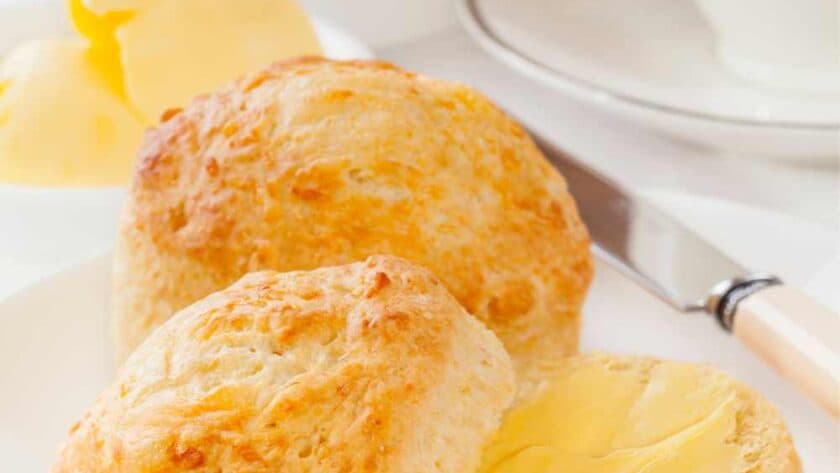
 Few things beat the smell of freshly baked cheese scones. Crisp on the outside, soft and fluffy in the middle, with melted cheese running through every bite. They’re simple, quick, and deeply satisfying.
These Paul Hollywood Cheese Scones are all about texture and balance. You want lift, not heaviness. You want richness, not greasiness. And most importantly, you want a scone that splits open cleanly with a tender crumb inside.
If your scones have ever turned flat or dense, this guide will help you fix that.
What are Paul Hollywood Cheese Scones?
Paul Hollywood is known for technical precision in baking, even with simple recipes. His cheese scones follow the traditional British method: rub cold butter into flour, add cheese, then bind with milk to form a soft dough.
Unlike sweet scones, cheese scones are savory and slightly salty. They rely on baking powder for lift rather than yeast. The key is minimal handling — too much mixing creates tough scones.
Think of the dough like delicate pastry. Gentle treatment gives you height and softness.

Gather These Fresh Ingredients for Paul Hollywood Cheese Scones
For the Dry Base
- 225 g self-raising flour
- 1 teaspoon baking powder
- ½ teaspoon salt
- ½ teaspoon mustard powder (optional)
Quality note: Sift flour and baking powder to ensure even rising.
For the Fat and Cheese
- 50 g cold unsalted butter, cubed
- 150 g mature cheddar cheese, grated
Use strong cheddar for deeper flavor.
For Binding
- 120–150 ml whole milk
- 1 egg (for glazing)
Milk quantity may vary slightly depending on flour absorption.
Detailed Step-by-Step Instructions to Make Paul Hollywood Cheese Scones
Step 1: Preheat the Oven
Preheat your oven to 220°C (430°F). Line a baking tray with parchment paper.
High heat helps scones rise quickly.
Step 2: Prepare the Dry Mixture
In a large bowl, combine self-raising flour, baking powder, salt, and mustard powder.
Mix briefly to distribute evenly.
Step 3: Rub in the Butter
Add cold cubed butter to the flour.
Using your fingertips, rub the butter into the flour until the mixture resembles coarse breadcrumbs.
Work quickly to prevent the butter from melting.
Step 4: Add the Cheese
Stir in most of the grated cheddar, reserving a small handful for topping.
Distribute evenly through the mixture.
Step 5: Form the Dough
Gradually add milk while mixing gently with a knife or spatula.
Bring the mixture together into a soft dough. It should be slightly sticky but not wet.
Avoid kneading heavily — just bring it together.
Step 6: Shape and Cut
Turn the dough onto a lightly floured surface.
Pat gently to about 2–3 cm thickness.
Cut into rounds using a cutter. Press straight down without twisting to help even rise.
Place on prepared tray.
Step 7: Glaze and Bake
Brush tops lightly with beaten egg and sprinkle reserved cheese on top.
Bake for 12–15 minutes until risen and golden.
Cool slightly before serving.
Common Mistakes and How I Fixed Them
Scones are quick, but small errors matter.
- I once overworked the dough – Scones turned dense. Gentle handling fixed it.
- Twisted the cutter – Scones rose unevenly. Press straight down instead.
- Used warm butter – Texture became heavy. Cold butter is essential.
- Added too much milk – Dough became sticky and flat. Add gradually.
- Baked at low temperature – Scones didn’t rise properly. High heat works best.
Each small correction improves lift and crumb.
What Pairs Perfectly with Paul Hollywood Cheese Scones
- Salted Butter – melts beautifully into warm crumb.
- Tomato Soup – classic savory pairing.
- Chutney – adds sweet contrast.
- Smoked Salmon – makes it feel more refined.
- Scrambled Eggs – perfect for brunch.
Pro Tips for Making Paul Hollywood Cheese Scones
- Use cold butter – Ensures flaky texture.
- Handle dough lightly – Prevents toughness.
- Keep thickness generous – 2–3 cm helps rise.
- Use strong cheddar – Boosts flavor.
- Bake immediately – Don’t let the dough sit too long.
- Preheat oven fully – Essential for lift.
- Cool slightly before splitting – Structure sets as it rests.
Inspiring Variations of Paul Hollywood’s Cheese Scones
- Herb Addition – Add chopped chives or thyme.
- Spicy Twist – Include a pinch of chili flakes.
- Wholemeal Blend – Replace part of the flour for a nuttier taste.
- Parmesan Mix – Combine cheddar with Parmesan.
- Ham and Cheese – Add small diced ham pieces.
- Garlic Version – Mix in a small amount of garlic powder.
Each variation keeps the method simple while adjusting flavor.
How to Store Paul Hollywood Cheese Scones Properly
- Cool completely – Prevents sogginess.
- Store in an airtight container – Keeps fresh for 2 days.
- Freeze individually wrapped – Lasts up to 1 month.
- Reheat before serving – Restores texture.
- Avoid refrigeration – Can dry them out.
Fresh is always best for scones.
Smart Reheating Tips for Paul Hollywood Cheese Scones
Reheat in a 180°C (350°F) oven for 5–7 minutes until warmed through.
For frozen scones, thaw first, then warm briefly.
Avoid microwaving for too long, as it can make them rubbery.
Nutritional Value (Per Scone Approx.)
- Calories: ~260 kcal
- Protein: ~8 g
- Carbohydrates: ~25 g
- Fat: ~14 g
- Fiber: ~1 g
Try Other Paul Hollywood Recipes
- Paul Hollywood Blueberry Muffins
- Paul Hollywood Bread Rolls
- Paul Hollywood Banana Bread
- Paul Hollywood Soda Bread
- Paul Hollywood Shortbread
Paul Hollywood Cheese Scones Recipe

Paul Hollywood is known for technical precision in baking, even with simple recipes. His cheese scones follow the traditional British method: rub cold butter into flour, add cheese, then bind with milk to form a soft dough.
Unlike sweet scones, cheese scones are savory and slightly salty. They rely on baking powder for lift rather than yeast. The key is minimal handling — too much mixing creates tough scones.
- Prep Time: 15
- Cook Time: 15
- Total Time: 30 minutes
- Yield: 8 scones 1x
- Category: Snack
- Method: Baking
- Cuisine: British
Ingredients
For the Dry Base
-
225 g self-raising flour
-
1 teaspoon baking powder
-
½ teaspoon salt
-
½ teaspoon mustard powder (optional)
Quality note: Sift flour and baking powder to ensure even rising.
For the Fat and Cheese
-
50 g cold unsalted butter, cubed
-
150 g mature cheddar cheese, grated
Use strong cheddar for a deeper flavor.
For Binding
-
120–150 ml whole milk
-
1 egg (for glazing)
Instructions
Preheat your oven to 220°C (430°F). Line a baking tray with parchment paper.
High heat helps scones rise quickly.
In a large bowl, combine self-raising flour, baking powder, salt, and mustard powder.
Mix briefly to distribute evenly.
Add cold cubed butter to the flour.
Using your fingertips, rub the butter into the flour until the mixture resembles coarse breadcrumbs.
Work quickly to prevent the butter from melting.
Stir in most of the grated cheddar, reserving a small handful for topping.
Distribute evenly through the mixture.
Gradually add milk while mixing gently with a knife or spatula.
Bring the mixture together into a soft dough. It should be slightly sticky but not wet.
Avoid kneading heavily — just bring it together.
Turn the dough onto a lightly floured surface.
Pat gently to about 2–3 cm thickness.
Cut into rounds using a cutter. Press straight down without twisting to help even rise.
Place on prepared tray.
Brush tops lightly with beaten egg and sprinkle reserved cheese on top.
Bake for 12–15 minutes until risen and golden.
Cool slightly before serving.
FAQs
Why didn’t my cheese scones rise properly?
Cheese scones usually fail to rise if the baking powder is old, the oven is not hot enough, or the dough has been overworked. Always use fresh baking powder and preheat the oven fully to 220°C (430°F). Handle the dough gently and avoid pressing it too thin. Cutting straight down without twisting the cutter also helps them rise evenly.
Can I make cheese scones without self-raising flour?
Yes, you can substitute plain flour by adding 2 teaspoons of baking powder per 225 g of flour. Make sure it is well mixed before adding the butter. This ensures even lift throughout the dough.
Why are my cheese scones dense and heavy?
Dense scones usually result from overmixing or adding too much liquid. Mix just until the dough comes together and keep it slightly soft but not sticky. Overhandling develops gluten, which creates a tougher texture instead of a light crumb.
How thick should I roll cheese scone dough?
Roll or pat the dough to about 2–3 cm thick. Thinner dough produces flatter scones, while thicker dough helps create taller, fluffier results. Maintaining this thickness is key to achieving a proper rise.
Wrapping Up
Paul Hollywood Cheese Scones show how simple ingredients and proper technique create reliable results. With cold butter, gentle mixing, and high oven heat, you get golden, fluffy scones every time.
They’re quick, savory, and ideal for lunch, brunch, or a comforting snack. Once you master the method, these cheese scones become a dependable favorite in your kitchen.